This lasagna is a rainy-Sunday project. Slow-cooked pork-and-beef ragù, [Parmesan-heavy béchamel](https://www.bonappetit.com/story/what-is-bechamel-sauce), and pasta bake into a creamy Bolognese with a browned top and crisp edges. You can make the sauces a day ahead and split the work, or you can block out an afternoon and let the kitchen smell like Sunday.
The real trick is in the meat sauce, and it runs against instinct. Why form meatballs just to break them apart? Searing large meatballs leaves room for moisture to escape, so you get deep browning instead of a pot full of steam. After a long, gentle braise, a potato masher turns them into ragù. [Whole canned tomatoes](https://www.bonappetit.com/story/canned-tomato-questions-answered), crushed by hand, let you decide how chunky the sauce gets. That control matters more than most recipes admit.
## Skip the boil, but don't skip coverage
Here's the shortcut that surprised us: you can skip boiling the noodles. In side-by-side retests, regular dried lasagna noodles came out about the same whether they were parboiled or layered straight from the box. The ragù and béchamel hold enough moisture to cook the pasta in the oven.
The catch is coverage. Every noodle has to sit under sauce. Spread it to the edges, leave no dry patches, and make sure the top layer is fully covered before it goes in. Miss a spot and you'll find it in the finished slice.
## Why regular noodles, not no-boil
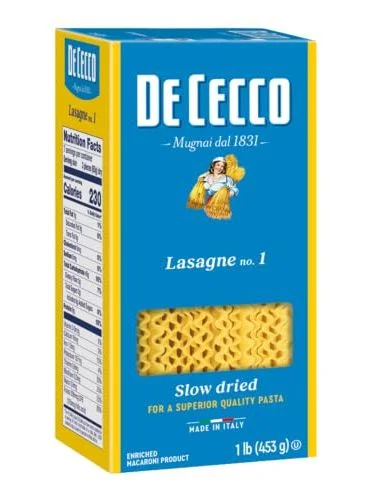
Use regular dried lasagna noodles, preferably De Cecco, and pass on anything labeled no-boil. Skipping the boiling step isn't the same as buying no-boil sheets. In our tests, the no-boil versions soaked up too much sauce and left the finished lasagna drier than we wanted. The De Cecco Lasagne No. 1, 16 oz., sells for about $11 on [Amazon](https://www.amazon.com/clp/B00DOQ9C56).
## No ricotta, no mozzarella, and a plan for the week
If you're expecting a ricotta layer, this isn't that lasagna. It's a Bolognese, so the cheese lives in the béchamel rather than a separate filling. The sauce brings the creaminess. Parmesan brings the salt and nuttiness.
The timing is where this recipe earns its keep. Make the ragù one day and assemble and bake the next. If you want an even lighter second day, refrigerate the two sauces separately and warm the béchamel just enough to loosen it before layering. The ragù keeps up to four days in the fridge or three months in the freezer. The béchamel gives you only one day, and that's the tighter constraint, so plan around it.

The Gear List Is Short, But Not Cheap
This lasagna asks for a 5-hour-45-minute commitment and yields eight servings, and the equipment list is short enough to make you think it's the easy part. It isn't. The Dutch oven is the piece that carries the ragù, and at $80 on Amazon, shown beside a $133 reference price, it's the one purchase here that will outlast the recipe by years.
Dutch oven at Amazon, $80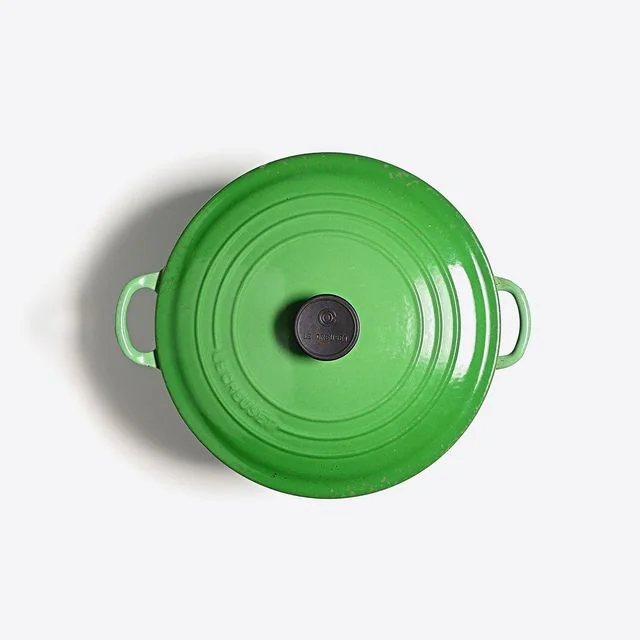
The rest of the kit is cheaper. A potato masher runs $15 and a ladle $27, both at Amazon. The 13x9 baking dish is the line item that'll make you wince, at $85, and it's the one you'll use for the lasagna itself. If you already own a deep baking dish, skip it. If you don't, that's a real cost on top of the pot.
Potato masher, $15 Ladle, $2713x9 baking dish, $85
The Ragù Is Where the Hours Go
The sauce is the bulk of the work, and the ingredient list reflects that. It calls for 2 lb. of ground pork and 1 lb. of ground beef chuck with 20% fat, which is a fattier base than many home cooks reach for, and that fat is doing real work in the pot. Add 2 oz. of pancetta or slab bacon, one finely chopped medium onion, one celery stalk, one medium carrot, and six sliced garlic cloves, plus 2 Tbsp. of tomato paste.
Liquids come next: ¾ cup of dry white wine, a 28-oz. can of whole peeled tomatoes, and 1 cup of low-sodium chicken broth. The milk, a full cup of whole milk, goes in as well, which is an unusual move for a tomato sauce and the detail most likely to make a skeptic raise an eyebrow. Seasoning is kosher salt and freshly ground black pepper, with 2 Tbsp. of extra-virgin olive oil to start.
Here's the thing: the recipe lists everything, but the total time is what should set your schedule. Plan the afternoon around the pot, not the lasagna.
Béchamel, Noodles, and What Comes Next
The white sauce is its own project. It uses 7 Tbsp. of unsalted butter, a little more than ¼ cup plus 3 Tbsp. of all-purpose flour, and 6 cups of whole milk, which is a lot of dairy and a reason to buy the milk in bulk. Four ounces of coarsely grated Parmesan, about 1 cup, go in, along with a pinch each of cayenne pepper and ground nutmeg, and more salt and pepper.
The pasta is 1¼ lb. of dried lasagna noodles, and the recipe specifies De Cecco. That's a brand preference you can ignore, but the recipe's author clearly cares about the noodle. Grease the baking dish with extra-virgin olive oil before anything else goes in.
The preparation opens with the ragù alone, labeled Step 1. Everything else in the lasagna waits on that sauce, which is why the cooking order matters more than the shopping list.## The meat is the whole game
Ground pork and beef chuck, 2 lb. and 1 lb., mixed by hand with plenty of kosher salt and black pepper. That's the base. The beef is 20% fat, and that matters: lean meat would leave this ragù dry after hours in the oven. Roll the mixture into about 18 large meatballs. They don't need to be pretty, because you'll mash them into the sauce later.
Brown them in batches in 2 Tbsp. of extra-virgin olive oil, using a large Dutch oven or heavy pot over medium-high heat. Each batch takes about 6 minutes. Lower the heat if the bottom of the pot looks like it's heading toward scorching. Move the browned meatballs to a rimmed baking sheet as you go.
## Building the base
Drop the heat to medium and add 2 oz. of chopped pancetta or slab bacon. Give it about 5 minutes, until it's lightly browned and just starting to crisp. That rendered fat carries the flavor for everything that follows.
Next come the aromatics: one finely chopped medium onion, one finely chopped celery stalk, one finely chopped medium carrot, and six sliced garlic cloves. Cook them 6 to 8 minutes, until soft. Then stir in 2 Tbsp. of tomato paste and keep it moving for about 2 minutes, until it darkens. Don't rush this. Paste that's only warmed tastes flat, and darkened paste is where the sauce gets its depth.
## The ragù takes its time
Pour in ¾ cup of dry white wine and cook it until it's almost completely gone, about 5 minutes. Then add a 28-oz. can of whole peeled tomatoes. Crush them with your hands as they go in, since you want texture, not uniform purée.
Turn the heat up to medium-high and reduce the liquid by about half, 8 to 10 minutes. You're looking for a jammy consistency. Then add 1 cup of low-sodium chicken broth and 1 cup of whole milk. The milk sounds odd in a tomato sauce, but it softens the acidity and rounds out the flavor.
Return the meatballs to the pot and bring everything to a simmer. Cover partway with a lid, move the pot into the oven, and check it roughly every hour. The goal is a low simmer, so adjust the oven temperature as needed. Expect 3 to 4 hours until the meatballs are falling-apart tender. That's a long wait, and it's the reason this dish isn't a weeknight project.
When they're ready, break them up with a potato masher and work them into the liquid. You should end up with about 8 cups of ragù. If you have less, or the sauce looks loose, return the pot to the stovetop and simmer gently to reduce it. Taste again before you call it done, because the reduction will concentrate the salt. Ragù keeps for up to 4 days in the fridge, or you can freeze it for up to 3 months. Making it ahead is the smart move here.
## Béchamel is where people cut corners
Béchamel is the part most home cooks rush, and it's the part that decides whether the lasagna is creamy or gluey. Melt 7 Tbsp. of unsalted butter in a large saucepan over medium heat, then whisk in ¼ cup plus 3 Tbsp. of all-purpose flour. Keep whisking until the mixture smells slightly nutty, about 4 minutes. Raw flour tastes like paste, so don't skip this step.
Add 6 cups of whole milk while whisking constantly. Bring it to a simmer over medium-high, then drop the heat and keep whisking. It will thicken in about 4 minutes, and then you need another 8 to 10 minutes at a gentle simmer to get it smooth and velvety. Pulling it off the heat too early is the most common mistake here.
Off the heat, whisk in 4 oz. of coarsely grated Parmesan (about 1 cup), a pinch of cayenne, and a pinch of ground nutmeg. You should end up with about 6 cups. Season with salt and pepper, transfer it to a large bowl, and press plastic wrap directly onto the surface so it doesn't form a skin. Let it cool slightly before layering.
## Noodles: boil them or don't
The oven goes to 325°. Here's the surprise: you don't have to boil the noodles. The Bon Appétit Test Kitchen compared regular dried lasagna noodles (not the no-boil kind) cooked both ways, and the results came out similar. Parboiled and straight-from-the-box noodles both worked. If you skip the boil, spread the ragù and béchamel all the way to the edges so every noodle is covered, and make sure the sauce blankets the top layer before it goes into the oven. That's one less pot to wash, and for many people that's the real selling point.
If you do parboil, use 1¼ lb. of dried noodles in a large pot of well-salted boiling water. Stir them so they don't stick, and pull them when they've just started to soften but still snap rather than bend when folded. About 3 minutes gets you there. The noodles will feel alarmingly stiff at that point. That's correct. Move them with tongs into a bowl of cold water, drain them, and lay them flat on a rimmed baking sheet in a single layer, with parchment or wax paper between them.
## Assembly and the final bake
Lightly oil a 13x9", 4–6-quart glass or ceramic baking dish with extra-virgin olive oil. Spread 1½ cups of ragù across the bottom. Lay a single layer of noodles on top, cutting or breaking pieces to fill the gaps. Spoon 1¼ cups of béchamel over the noodles and spread it evenly with a small offset spatula. Add 1½ cups of ragù, then repeat the noodles, béchamel, and ragù three more times. Finish with a fifth layer of noodles and the remaining 1 cup of béchamel.
Want more pasta in every bite? Build six layers instead. Start with the same 1½ cups of ragù, then use 1 cup of béchamel and 1¼ cups of ragù between the pasta layers. Top it with a sixth noodle layer and the last cup of béchamel. You'll get more noodle and less sauce per forkful, which is a legitimate preference, not a mistake.
Cover the dish with a lightly oiled sheet of foil and set it on a rimmed baking sheet to catch drips. Bake about an hour, until it's bubbling gently around the edges. Then raise the oven to 425°, move the rack to the top position, remove the foil, and bake another 10 to 15 minutes until the top is browned and crisp at the edges. Let it rest 10 minutes before you cut into it. Skipping the rest is how you end up with a slide instead of a slice.
## Make it ahead, and know what you're getting
The lasagna holds up to planning. Béchamel can be made a day ahead and kept chilled. Rewarm it just enough to loosen before you spread it. The full dish can be assembled up to a month ahead. Let it cool, wrap it, and freeze it. Thaw it overnight in the fridge before baking.
The recipe first ran in February 2018 and has since been updated with clearer assembly instructions and the option to skip parboiling. That update is the useful part. It reflects testing that made the dish easier, not just prettier on paper.
Here's my take: the cost is time, not skill. Nothing in this recipe is technically hard. The ragù needs three or four hours in the oven, and the béchamel needs patience at the stove. If you're willing to give it an afternoon, or split the work across two days, you'll end up with a lasagna that justifies the effort. If you're looking for a fast dinner, this isn't it.