Shuai Wang spends his working days on smoked meat at King BBQ in North Charleston, South Carolina, but his sweet tooth leans toward two very different desserts. Mochi reminds him of family holidays, and classic Southern pecan pie is the other one. This Hawaiian-style butter mochi cake tries to hold both. You get a dense, chewy base and a layer of maple-miso pecans that reads more Carolina than Honolulu.
Why this cake won't behave like a regular cake
If you expect a fluffy crumb, you'll be surprised. The batter gets its bounce from mochiko, a rice flour that produces a chewy, springy texture instead of the airy structure of a conventional cake. Coconut milk and melted butter bring richness, and the pecans supply the crunch.
Patience matters here. Let the cake cool completely before you slice it. The texture needs that time to set, and cutting early means wrestling with something that hasn't finished becoming itself.
Mochiko isn't a swap-in
Can you use regular rice flour instead? No. Mochiko, also sold as sweet or glutinous rice flour, has a different starch composition from ordinary rice flour, and that difference is what creates butter mochi's signature sticky chew. Regular rice flour or all-purpose flour won't get you there.
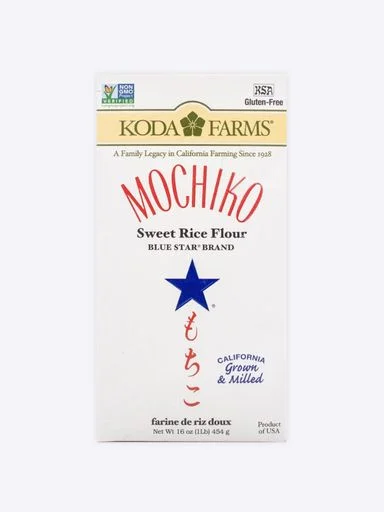
Shopping is where it gets annoying. A three-pack of Mochiko on Amazon lists at $17, while a listing labeled simply "Sweet Rice Flour" at Weee! is $2.99. The cheaper bag may be the same thing under a plainer name, so check that the label says sweet or glutinous rice before you buy. Ordinary rice flour won't do the job at any price.
Miso does more than you'd think
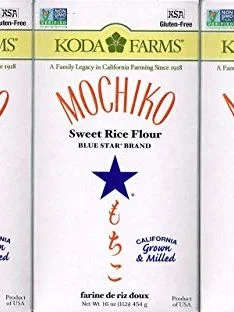
The pecan topping is where the recipe earns its keep. A little white or yellow miso adds savory depth to the maple syrup, doing for the sweetness what salt does in salted caramel. Without it, the topping would taste flat and one-note.
Don't overdo the nuts before they go in. They get only a brief head start in the oven because they keep toasting while the cake bakes. Pull them too far in advance and you'll end up with bitter pecans on top.
Which miso to buy
Both work. White miso is milder and a touch sweeter, while yellow miso brings a more pronounced savory punch. Either one adds complexity to the maple-coated pecans without drowning out their buttery, nutty flavor. If you want a deeper dive into the different types and how to use them, this miso guide covers the differences.
The gluten-free question mostly comes down to the miso
Most bakers worry about the wrong ingredient here. The flour is fine. Mochiko is naturally gluten-free, even though "glutinous rice flour" sounds like it should contain gluten. "Glutinous" describes stickiness, not gluten, and that one word causes more confusion than it should. The miso is the real variable. Some varieties contain barley or wheat, so a recipe that's gluten-free on paper can stop being gluten-free once it hits your counter. If you're baking for someone who needs to avoid gluten, buy a miso labeled gluten-free. Then read the labels on everything else in the bowl. Packaged ingredients are where cross-contamination and hidden gluten usually sneak in.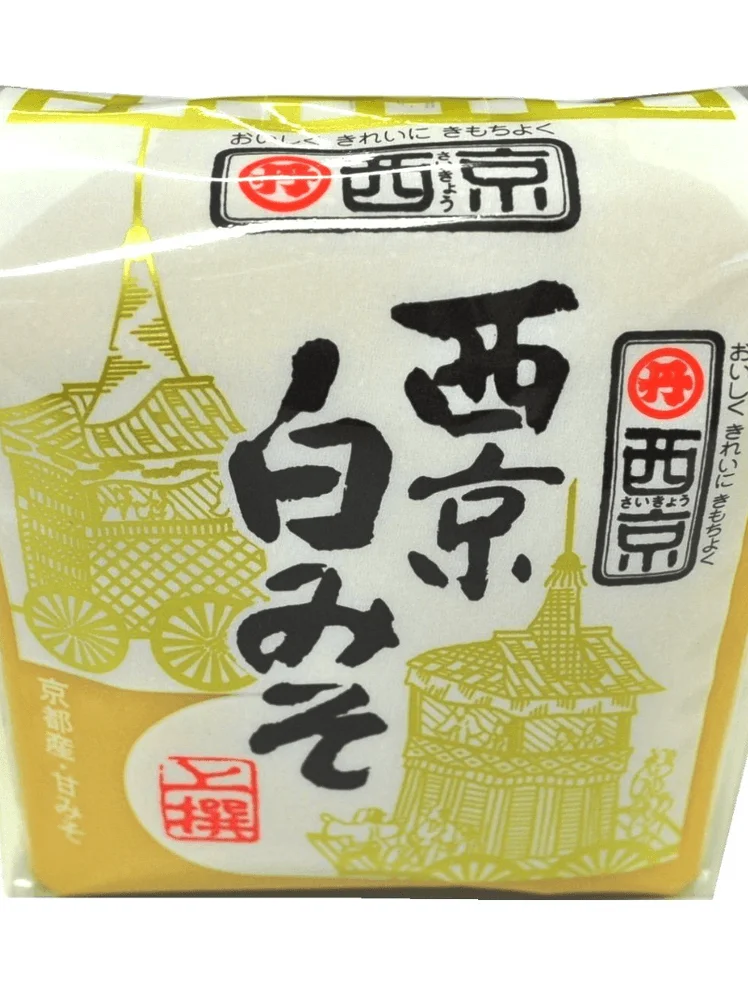
What you'll actually need to buy
The shopping list is short, and the costs are uneven. The sweet white miso is the splurge. It's listed on Amazon at $13, or $12 at the reduced price, and it's the one ingredient where the label matters for dietary reasons. Check the packaging before you check out. Sweet rice flour is the cheap part. The listing at Weee! runs $2.99. The carousel calls it "Sweet Rice Flour" rather than mochiko, so if you're going by the product name, confirm it's the same thing you'd buy for this recipe.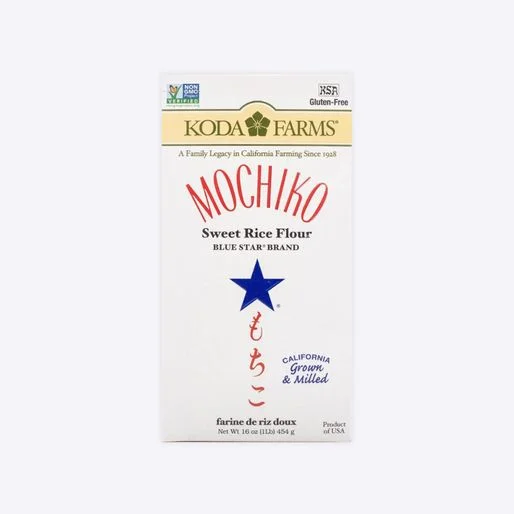 Then there's the equipment. A 9-inch round pan is listed at $16 on Amazon, next to a $21 figure, and a wire cooling rack is $18 on the same site. The rack's image alt text describes it as stainless steel, which is worth knowing if you're comparing options.
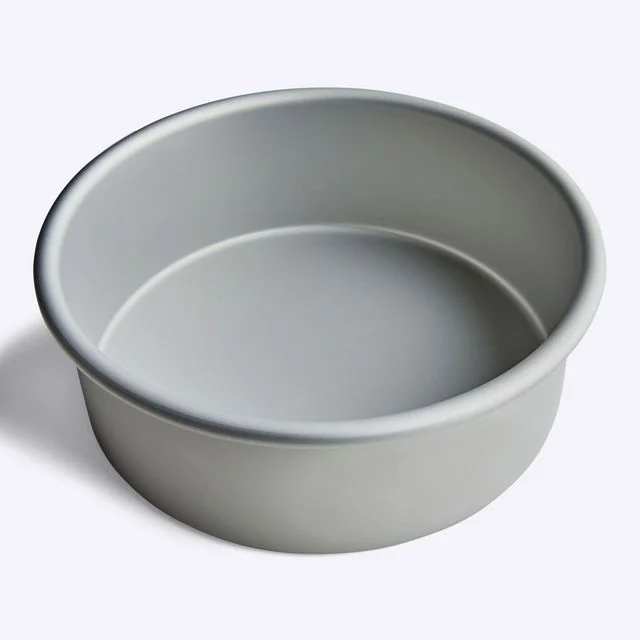
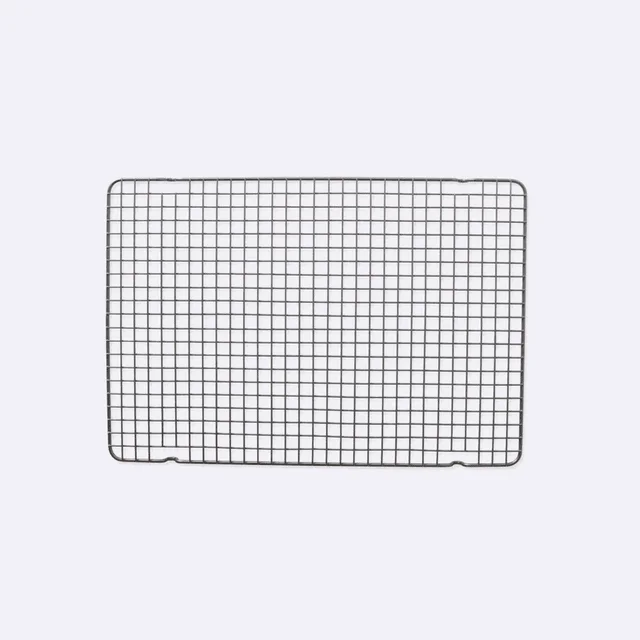 Here's the thing about the total. If you already own a pan and a rack, the new spend is roughly $15: the reduced miso price plus the flour. That's a small cost for a cake, but the pan and rack together would more than double it if you're starting from scratch. Which raises the obvious question: do you really need a dedicated 9-inch pan, or is it a purchase you're making for one recipe?
Three tools, $66, and a long wait
Before you touch a pecan, you'll want three pieces of gear: a rimmed baking sheet at $35, a French wire whisk at $18, and a rubber spatula at $13. All three are sold through [Amazon](https://amzn.to/44QpKE0), [Kuhn Rikon's whisk](https://www.amazon.com/Kuhn-Rikon-10-Inch-French-Whisk/dp/B000H7O3O0) and the [spatula](https://amzn.to/3PkNhIF) are listed there too. The total comes to $66, which is a modest ask for a recipe that feeds 10 to 12 people.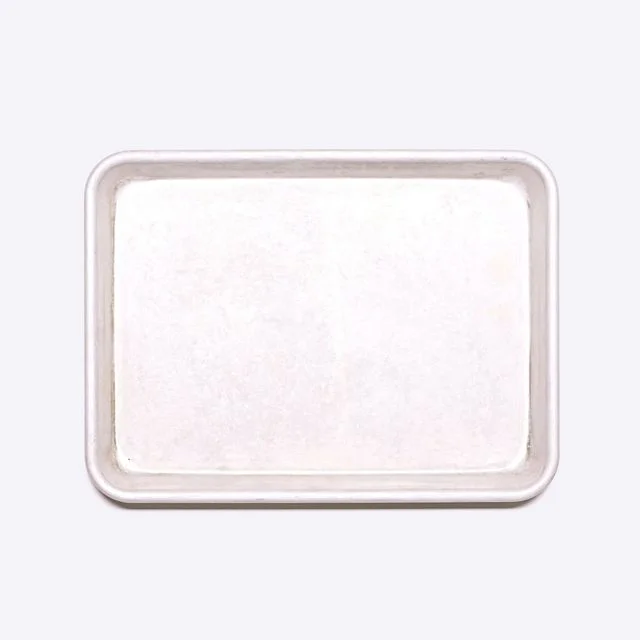
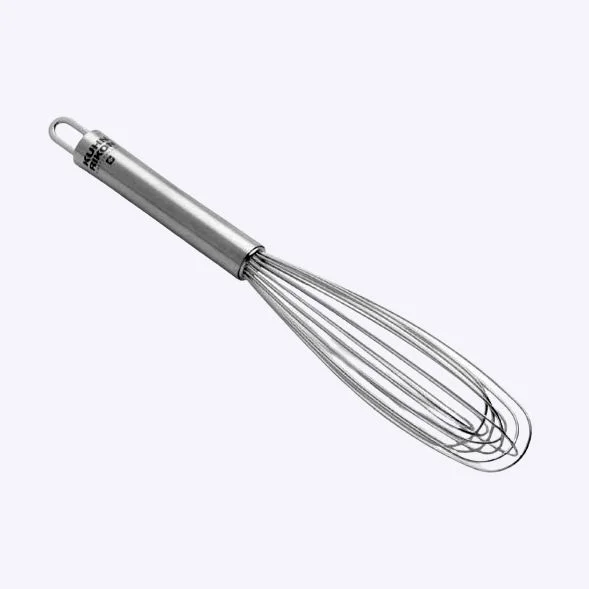
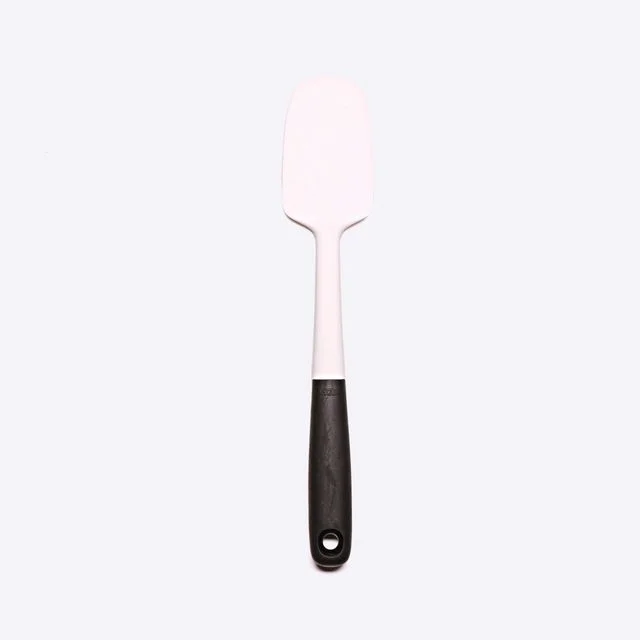 The baking sheet is the priciest item and the one you'll reach for most. It's also the purchase most likely to pay off beyond this recipe, which is more than you can say for a single-use gadget. The whisk and spatula are cheap enough that you won't think twice.
Here's the thing the shopping list hides: the recipe lists a total time of 1 hour 30 minutes, plus cooling. That "plus cooling" is the part people skim past, and it's the part that decides whether you're eating at 7 or staring at a cooling rack at 9. Block out the afternoon, not just the cook time.
The ingredient list opens with pecans, and the amounts aren't visible in what I'm working from. Check the full recipe card before you shop, because a yield of 10 to 12 servings can mean very different quantities depending on how the recipe is scaled.