Hermione Lee's Anita Brookner: Art and Life collected twelve raves this week, more than any other title on the list. That's a strong showing for a biography of a novelist one reviewer describes as now obscure, and it suggests where critical energy is going: toward books that take a difficult figure seriously rather than tidying them up.
*
Fiction leads with Nick Harkaway's The Taper Man: A Novel of John Le Carré's Circus, which earned five raves. Publishers Weekly was impressed by how Harkaway takes after his father. The ending, the reviewer notes, is "anything but conclusive," yet the book still shows a real knack for slow reveals, tangled plotting, and sharp observations about people. Its verdict on the George Smiley material is short: he's in good hands.
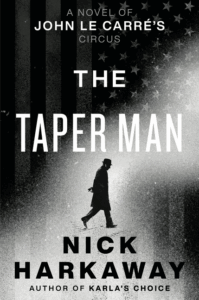
1. The Taper Man: A Novel of John Le Carré's Circus by Nick Harkaway
(Viking)
5 Rave • 1 Positive • 1 Mixed
"The conclusion, as in most of the Circus novels, is anything but conclusive, but Harkaway exhibits his father's knack for slow reveals, complex storylines, and salient observations about human nature. George Smiley is in good hands."
Tahmima Anam's Uprising placed second, with four raves. The New York Times Book Review called it slim but potent, a novel that turns a hideous reality into something worthy of its material. The reviewer's word for it is unkempt, repulsive, brutal, and beautiful at once, and says readers "cannot look away, much less forget the things you've seen."
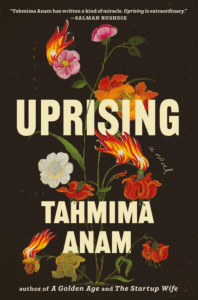
2. Uprising by Tahmima Anam
(Scribner)
4 Rave • 1 Positive • 1 Mixed
"Slim but potent … Shapes a hideous reality into art that's worthy of its source material: unkempt, sometimes repulsive, brutal, beautiful. You cannot look away, much less forget the things you've seen."
–Lauren Christensen (The New York Times Book Review)
K Chiucarello's Nanny Nanny is the book I'd watch most closely from this batch. Its mix of rave and positive reviews is less showy, but Booklist's reading is sharp: the novel moves from the extreme to the everyday, covering both the violence that prompts a call to 911 and the tender care a nanny gives young children. Family, love, language, and their failures run through the whole thing.
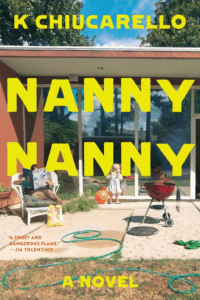
3. Nanny Nanny by K Chiucarello
(Ecco)
1 Rave • 3 Positive
"Searing … From the extreme to the everyday, with mesmeric specificity, Chiucarello writes of the life that unfolds behind closed doors: both the kind of violence that leads the nanny to call 911, and her tender care of young children. Family, love, language, and the failures of all three dominate this wisely voiced, sensitively self-propelling, and continuously surprising novel."
–Annie Bostrom (Booklist)
Scarlett Thomas's The Runner is the one I'd recommend to readers who think literary fiction has to feel miserable. The Times critic argues that Thomas is funny enough to be overlooked, and that she moves between thriller, action, and farce with real control. Keeping pace with her, the review says, is "nothing but pleasure."
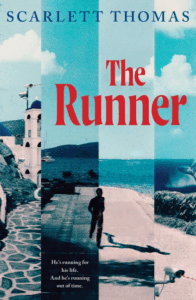
4. The Runner by Scarlett Thomas
(Simon & Schuster)
1 Rave • 2 Positive • 2 Mixed
"Thomas is one of those novelists who would be spoken of in awed tones of admiration if only she weren't so funny. A lot of people seem to think that literary fiction is only good if it feels like a bad time, hence the confusion of clipped sentences and dour stories with quality. The Runner has no truck with that … Thomas has fabulous control of her tone and handles the jumps between thriller, action and farce with audacious skill … As a reader, trying to keep pace with her is nothing but pleasure."
–Sarah Ditum (The Times)
Cleo Birdwell's Amazons is the divisive entry. It drew three positives, one mixed, and one pan, but the one rave and the longest review both point to its nerve. Ed Park in Bookforum says the chapter-ending sex scenes are frank and chatty, and that the book feels out of place in 2026 in a good way. "Cleo, bless her, can't stop," he writes, which is about as close to a verdict as you'll get.
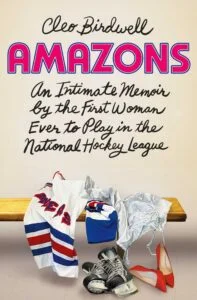
5. Amazons: An Intimate Memoir by the First Woman Ever to Play in the National Hockey League by Cleo Birdwell
(Scribner)
1 Rave • 3 Positive • 1 Mixed • 1 Pan
"Amazons's chapter-capping sex scenes are at once frank and endearingly chatty … Feels refreshingly out of place in 2026. At times it recalls the ambitious, chonky, libidinous fiction of the era … The freedom is thrilling, indeed out of control. Scenes go on too long, to our delight. Cleo, bless her, can't stop. DeLillo has written his share of sturdy female characters, but never in the first person, and never so willingly."
–Ed Park (Bookforum)
**
Nonfiction is where the week's strongest consensus sits. Lee's Brookner biography picked up twelve raves and four positives, and the Boston Globe's Leigh Haber makes a strong case for it: the book studies a complex, compelling figure and may rekindle interest in a writer who saw what many others missed.
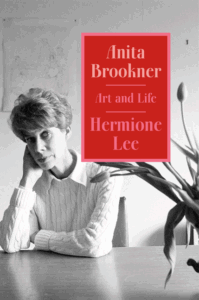
1. Anita Brookner: Art and Life by Hermione Lee
(Knopf)
12 Rave • 4 Positive
"Offers a passionate case for studying this complex, compelling, now obscure figure … For readers who've ever felt similarly dismissed, the biography may spark a new passion for this connoisseur of women's interior lives, a writer who could see what many did not."
–Leigh Haber (The Boston Globe)
Gerald Martin's Mario Vargas Llosa: A Life placed second with five raves, though its reviews are more divided. Michael Wood in The New York Times Book Review admires the biography's willingness to explain without explaining away. Martin is loyal to his subject, the review says, but that loyalty comes with criticism, and the book is better for it.
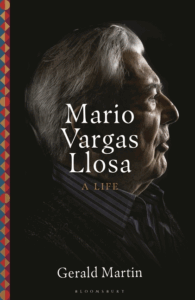
2. Mario Vargas Llosa: A Life by Gerald Martin
(Bloomsbury)
5 Rave • 2 Positive • 2 Mixed
"Remarkable … Martin's assessments of Vargas Llosa's books vary widely, but his praise of the 'truly great' writer is consistent. He is loyal to the man too, but that loyalty is more critical, and it is hard sometimes to see that the life and the books have much in common. Perhaps they don't. And perhaps this biography is all the better for that reason … Martin understands perfectly that to explain is often to explain away."
–Michael Wood (The New York Times Book Review)
Gary Shteyngart's The Sensualist: Adventures in Pure Pleasure rounds out the top three. The Guardian's Melissa Denes singles out its style, with long, lolloping sentences that land on the punchline of a short one. The tone, she writes, is confiding, charming, and often happily silly.
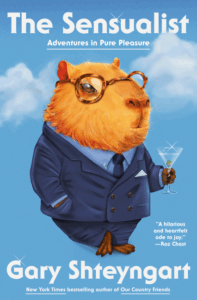
3. The Sensualist: Adventures in Pure Pleasure by Gary Shteyngart
(Random House)
4 Rave • 1 Positive
"As befits a sensualist, his style is deeply pleasurable, great lolloping sentences meeting the punchline of a short one, the jokes generous and surprising. The tone is confiding, charming, often unreservedly silly."
–Melissa Denes (The Guardian)
Paul Goldberger's The Imperfect City: Design, Serendipity, and the Real Life of Cities follows with three raves and two positives. Shelf Awareness's Jennifer W. Brown finds it useful for architecture readers and a pleasure for armchair travelers alike, since it traces how cities actually evolved rather than how planners hoped they would.
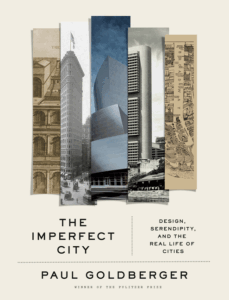
4. The Imperfect City: Design, Serendipity, and the Real Life of Cities by Paul Goldberger
(Knopf)
3 Rave • 2 Positive
"Fascinating, in-depth … Goldberger offers architecture aficionados a robust consideration of how these cities evolved, but also a new angle for history buffs and a pleasure for both world and armchair travelers."
–Jennifer W. Brown (Shelf Awareness)
Jennifer Croft's memoir Notes on Postcards closes the list. Rebecca Foster, also writing for Shelf Awareness, calls it an earnest, elegant meditation on place and purpose, one that positions the translator as a go-between for languages and cultures. Croft strips her story back to basics, and the result, Foster argues, is as telltale and intimate as a postcard.
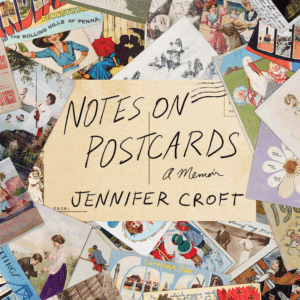
5. Notes on Postcards: A Memoir by Jennifer Croft
(Catapult)
2 Rave • 2 Positive
"..an earnest, elegant meditation on place and purpose … The book presents life, appealingly, as a concatenation of everywhere one has been, all that has happened–and positions the translator as linguistic and cultural go-between. In paring her story back to the basics, Croft has produced something that, much like a postcard, is simultaneously 'telltale and intimate…ephemeral and lasting.'"
–Rebecca Foster (Shelf Awareness)