Critics this week kept returning to books that refuse to play it safe. Annie Proulx's selected stories, Siân Hughes's bleakly funny novel and James Gleick's history of the telephone drew the strongest praise, and the rest of the shelf is just as varied.
Fiction
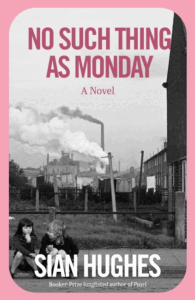
The week's top fiction pick is Siân Hughes's No Such Thing As Monday (Henry Holt), which collected five raves, two positive notices and one mixed. Leah Greenblatt in The New York Times calls it "fractious and darkly funny," and she's right that a novel built on a chain of misfortunes shouldn't be this much fun to read. Its heroine, Steffie, is the sort of person you'd avoid at a party and then miss on the page: spiky, sharp-witted and painfully self-aware. Hughes's ear for misfits and underdogs is the real asset here, and her tenderness keeps the story from sinking.
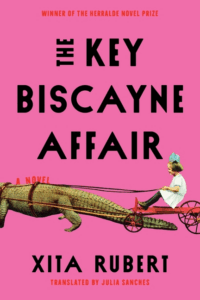
Xita Rubert's The Key Biscayne Affair (Ecco) earned three raves and two positive reviews. Michael Shorris, writing in The Brooklyn Rail, calls it "sly, rewarding," and singles out a prose style that stands apart from the flattened minimalism dominating so much contemporary fiction. "Her sentences are audacious, on tiptoe and reaching," he writes. For readers tired of spare sentences, that's a strong hook.
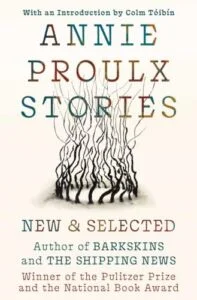
Annie Proulx's Annie Proulx Stories: New & Selected (Scribner) received four straight raves, the strongest unanimous showing this week. Dwight Garner's New York Times review describes reading it as opening a hall closet full of antiques and farm tools that spill out and maim your dog, and he means that as praise. He argues her short stories are her "thorniest and most essential work," and that the apparent chaos is deliberate. Her style, he says, draws "wild, wind-chapped poetries" out of the mess. If you read one collection this month, make it this one.
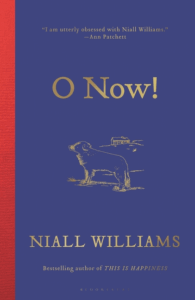
Niall Williams's novella O Now! (Bloomsbury) picked up three raves and one positive notice. Carol Haggas, reviewing for Booklist, calls it a "shimmering jewel of a novella," praising its quiet, lyrical contemplation of life's deepest riddles. It's short enough to finish in an afternoon, which makes it an easy recommendation.
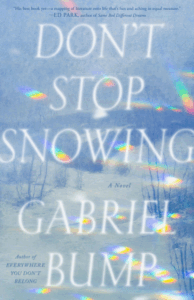
Gabriel Bump's Don't Stop Snowing (Algonquin) earned four positive reviews and one rave. Rob Franklin of The New York Times says Bump paints with melancholy, a mood that can feel "desolate and romantic at once," like a blizzard. Franklin says the narrator's insight into identity and family sneaks up on readers, and admits it made him tear up more than once. That's a rare reaction for a reviewer to admit to.
Nonfiction

James Gleick's The Telephone: A New History (Farrar, Straus and Giroux) took four raves and three positive reviews, the top nonfiction result. Alexandra Jacobs, writing in The New York Times, says the book returns a once-mundane device to its rightful place in history and gives it a surprising amount of dignity. She calls the survey "elegant" and says it "should be required reading for digital natives." Gleick's ability to get out of the lab and into the streets is what makes the history feel lived-in.

Nick Paumgarten's The Intangibles: Friendship, Fatherhood, and the Love of the Game (Penguin) collected five raves and a positive notice. Publishers Weekly calls it "inventive" and "vivid," and expects hockey fans to love it. Its more interesting claim is that casual readers will find Paumgarten's examinations of manhood thoughtful enough to hold their attention, too.

Lauren Elkin's Vocal Break: On Women, Music, and Power (Farrar, Straus, and Giroux) tied for third with three raves and two positive reviews. Fiona Sturges, writing in The Guardian, notes that Elkin offers no grand thesis about the female voice. Instead, the book argues that women's vocal styles are rich and varied, and that they're often manipulated, criticized and underserved by the music business. Sturges says the real pleasure lies in Elkin's obvious love for singing as a form of expression and freedom.
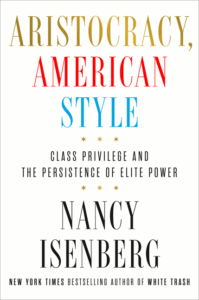
Nancy Isenberg's Aristocracy, American Style: Class Privilege and the Persistence of Elite Power (Viking) also tied for third, with three raves and two positive reviews. Kirkus argues the book shows how the pursuit of status-driven power and influence, not just wealth, has shaped American society. The reviewer calls it "a richly detailed analysis of class systems" with as much relevance now as at the founding.
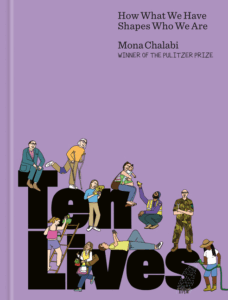
Mona Chalabi's Ten Lives: How What We Have Shapes Who We Are (Random House) rounds out the list with one rave and three positive reviews. Rachel Clarke in The Guardian calls it a mix of journalism, data visualization and memoir that works as both a pleasure to read and a "serious provocation." Clarke's point is that the book's data-driven base makes its stories hit harder, showing how problems like unaffordable healthcare or childcare can upend a life in modern America.
For a first read, the Proulx collection offers the densest reward, while Hughes's novel is the easiest entry point into the week's fiction. On the nonfiction side, Gleick's history is the safest bet, and Chalabi's book is the one most likely to change how you read a chart.


