The decision to have a child rarely begins and ends with one person. Family history, cultural expectations and the memory of being parented can all shape what motherhood means, even when no one applies direct pressure. These seven novels approach that complicated choice through stories of caregiving, bodily autonomy, grief and inheritance.
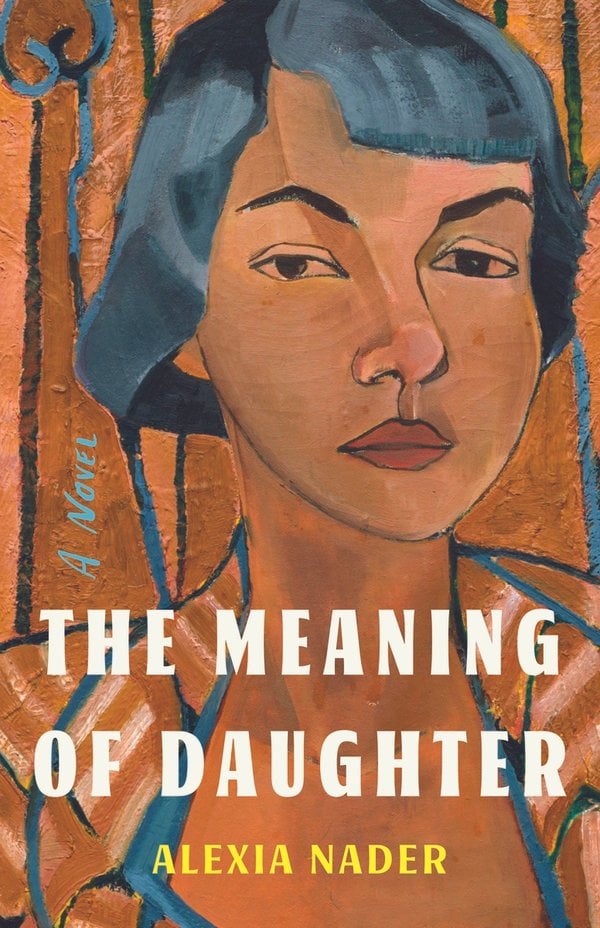
That question also animates The Meaning of Daughter, a multigenerational novel by the writer who selected these books. Its first-generation character, Merjan, wants to devote herself to art, while her Lebanese-Haitian community expects her to center her life on marriage and children. Immigration, cultural values and ambition shape how she understands motherhood; the consequences of her decisions echo through the lives of her daughter and granddaughter, across seven decades and three countries.
That family-centered view pushes against the familiar idea that having a child is simply a choice between two partners. In these novels, a decision about parenthood is entangled with relationships across generations and with the people who make up a community. Some characters want to become parents; others don’t. Their stories suggest that those positions can’t be understood without asking what care, intimacy and family have meant in their lives.
Care can take forms beyond parenthood
Still Born by Guadalupe Nettel, translated by Rosalind Harvey
In Still Born, one woman decides against having children while her friend tries to become a parent. The narrator has even had her tubes tied, a choice she expects her mother to meet with anger. Instead, her mother is more accepting than anticipated, though she offers a view of care that stays with her daughter: “It’s important to have someone to love, someone to take care of. It makes us less selfish.”
The novel tests that idea without making biological motherhood the only answer. The narrator helps her friend cope with the demands of raising a baby with severe disabilities, and also supports a neighbor recovering from an abusive relationship and the neighbor’s young son. These relationships give the narrator a way to think about care as something shared across a community. The distinction between choosing not to have a child and choosing not to care for others proves far less simple than she once assumed.
Motherhood can reopen old wounds
Burnt Sugar by Avni Doshi
Avni Doshi’s Burnt Sugar begins with the damage inside a mother-daughter relationship. The protagonist is left to care for a mother with dementia, despite having been abandoned by her as a child. Then, well into the novel, she decides to have a baby. That decision changes the shape of the story: she imagines motherhood as a chance to begin a relationship without the injuries she carries from her own childhood—and, in part, as revenge against her mother.
That motive gives the novel’s treatment of motherhood its tension. A new child might offer a fresh start, but a new generation can’t simply erase what came before. The gothic ending sharpens the problem: the protagonist’s intentions to escape her family’s history don’t guarantee that history will loosen its hold.
Cold Enough for Snow by Jessica Au
Jessica Au’s spare novel follows a woman traveling through Japan with her mother. They take photographs, visit art museums and eat together, while the daughter privately weighs whether to have children. Her attention moves between her own inward life—her thoughts and her response to beauty—and the obligations she feels toward other people.
Her mother describes growing up without thinking of herself as separate from those around her: “[her mother] had never thought of herself in isolation, but rather as inextricably linked to others.” The remark becomes a lens for the daughter’s uncertainty. During a solo stretch of the trip, she gets lost on a hike and feels frightened. In that isolation, questions about what she has inherited from her mother become harder to separate from questions about who she is. Au makes the choice of parenthood feel bound up with a more basic uncertainty: where does the self end, and where do family expectations begin?
The body and the desire to parent
One Leg on Earth by ‘Pemi Aguda
In ‘Pemi Aguda’s One Leg on Earth, pregnant women in Lagos are drowning themselves in large numbers, apparently drawn to the water by a supernatural force. Against that threat, Yosoye must decide whether to continue an unexpected pregnancy. Her desire to keep the child is tied to what she lacked in her own upbringing. When a friend criticizes her choice, Yosoye wonders: “Could someone with a mother like that understand what a child might mean for Yosoye? Yosoye who’d never even had her mother to call her own?”
Aguda makes the attraction of motherhood inseparable from its danger. Pregnancy takes on psychological, social and artistic force in a story where the protagonist’s private hopes meet a frightening public reality. Yosoye’s wish for a different mother-child bond isn’t a guarantee of what that relationship will become; it’s the reason the choice matters to her.
Breasts and Eggs by Mieko Kawakami, translated by Sam Bett and David Boyd
Mieko Kawakami’s Breasts and Eggs links two sisters whose desires about their bodies are difficult for the other to understand. In the first part, Natsuko hosts her sister Makiko and Makiko’s daughter in Tokyo. Makiko is considering breast implants, a choice Natsuko struggles to comprehend and doesn’t try hard enough to understand.
In the second part, Natsuko wants to have a child on her own. Now Makiko questions her sister’s decision, drawing on her own experience and their shared childhood to imagine the difficulties of single motherhood. Natsuko turns to friends, colleagues and others in her community as she tries to make sense of what she wants. The shift between the sisters’ roles gives the novel an incisive view of bodily autonomy: people can insist on owning their desires while still feeling hurt when those closest to them don’t accept those desires on their terms.
Parenthood reaches across generations
Red at the Bone by Jacqueline Woodson
Red at the Bone takes an unexpected teenage pregnancy as the starting point for a wider family story. Jacqueline Woodson’s rotating first-person perspectives move through time and among generations, showing the young parents’ families first worrying about the pregnancy’s impact on their children’s futures, then loving the granddaughter they couldn’t imagine wishing away.
The changes in point of view also show how a young couple’s relationships with their own parents affect the intimacy they want with their daughter. Woodson doesn’t smooth over the hurt and fear surrounding an unplanned pregnancy. She gives those feelings room to change, making the family’s response more complicated than a simple split between regret and acceptance.
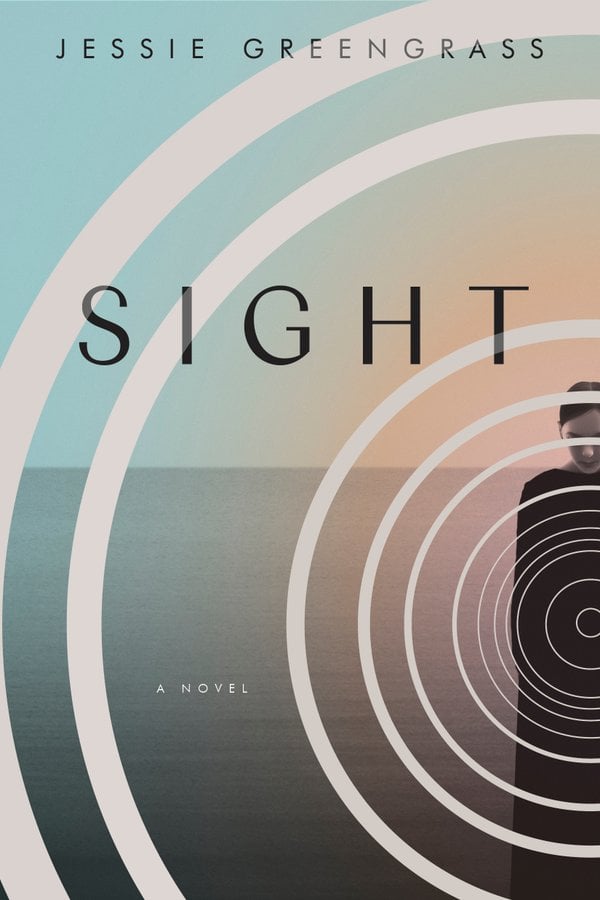
Sight by Jesse Greengrass
In Sight, a woman pregnant with her second child turns back toward memories of her mother’s final days and an earlier childhood spent at her grandmother’s home. Jesse Greengrass connects those recollections to essayistic explorations of subjects including the invention of the X-ray, the relationship between Sigmund and Anna Freud, and the first anatomical drawing of a fetus in the womb.
Those investigations give the narrator ways to think about how people have tried to see and understand the body, while her personal history remains tender and unresolved. Her pregnancy brings memories of her mother and grandmother into sharper focus, alongside recollections of her first pregnancy. The book suggests that becoming a parent can make the past newly present: the family a person hopes to build takes shape alongside the one that formed them.
Together, these books make motherhood harder to reduce to a private preference or a single moment of decision. The characters meet that question through cultural inheritance, estrangement, bodily autonomy, grief and the everyday work of caring for others. Their stories leave a useful point for anyone thinking about family: what people choose is shaped by the relationships they have lived, and the relationships they hope to make possible.
The post 7 Books That Weigh the Choice of Motherhood appeared first on Electric Literature.