Miista’s new Melrose Avenue store makes a clear case for what the 15-year-old independent label wants to become: more than a footwear brand. Clothing takes center stage in the Los Angeles space, even as boots remain its best-known product. Customers have already started buying those boots in a city where November can reach 85 degrees, a small but telling sign that local demand may not follow the climate as closely as the brand expected.
The West Hollywood location is Miista’s first in Los Angeles and its second U.S. store, following a New York opening in 2024. Founder and creative director Laura Villasenin said she was surprised by the early boot sales. “I’m like, why are they buying boots? It’s so warm,” she said during a preview of the store last week. The surprise points to a familiar tension for brands entering a new market: a product’s reputation can travel ahead of the company’s assumptions about how, and when, customers will wear it.
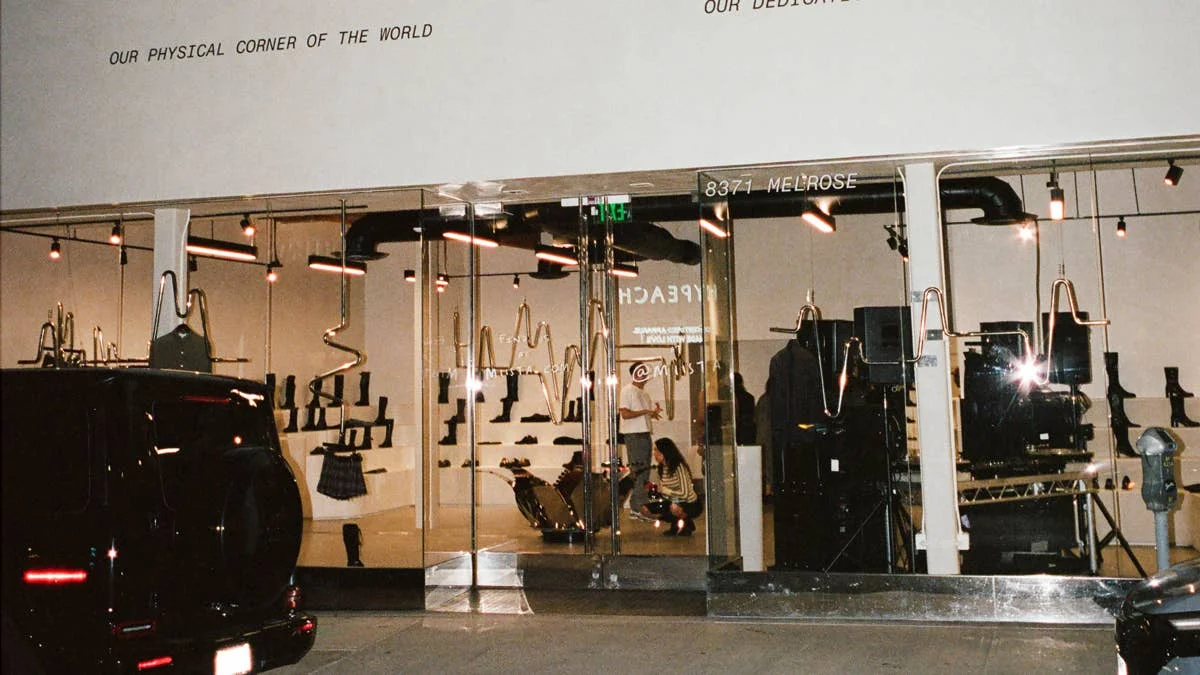
Photo: Courtesy of Miista
A slow approach to opening stores
Miista has shops in Barcelona, London and Paris, and says it spends at least a couple of years preparing each new location. The company describes its expansion as “very sustainable and slow,” with every store serving as a chance to learn about its customers and the local market. That approach treats a shop as more than a sales channel: it’s also a way to test whether the brand’s identity and product range make sense in a particular place.
Before committing to U.S. storefronts, Miista tested interest through events in New York and Los Angeles. One gathering took place in a clothing factory, where guests danced at a rave while bringing old Miista pieces to be repaired. “That made us understand how much of a craving for Miista there is in the U.S.,” Villasenin said. The event combined community with a practical demonstration of the brand’s interest in repair and keeping its products in circulation. Still, an enthusiastic crowd offers only one kind of evidence; a permanent store gives the company a longer view of who comes back and what they choose to buy.
The Melrose store’s exterior carries two phrases that express the brand’s outlook. “Our physical corner of the world” reflects the time and care Miista puts into creating a space, Villasenin said. “Our dedication to the alternative” speaks to a community connected by shared views of society, culture and politics. Those statements give the store an identity beyond its merchandise, though the harder test is whether visitors find that idea meaningful once they’re inside.
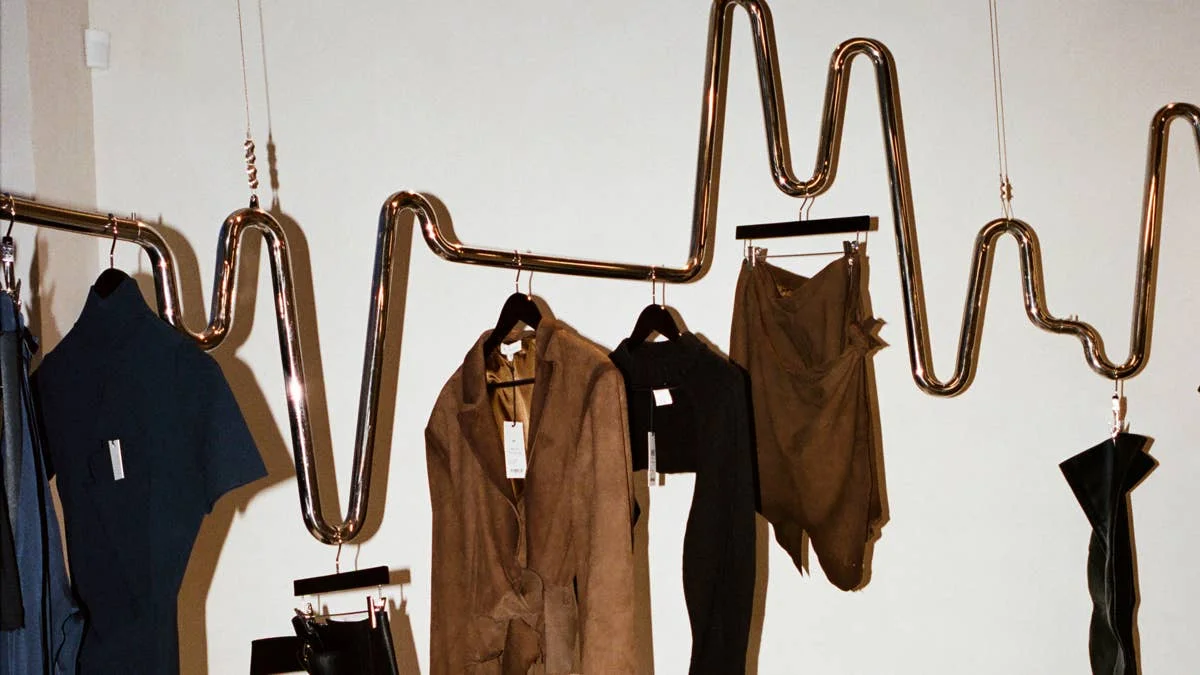
Photo: Courtesy of Miista
Clothing moves to the center
Miista began with shoes and added apparel about a decade later. Villasenin said customers still tend to think of it as a shoe label, which makes it harder for the clothing range to get noticed. “We don’t want to be the shoe brand,” she said. “We really don’t like to be categorized.” That’s a clear ambition, but changing a customer’s mental picture takes more than a new product category. The store has to make the clothes feel like a core part of Miista, rather than an extension of its footwear business.
The store responds by making clothing its visual focal point. Handmade knits and sporty separates hang from custom metal rails shaped to resemble sound waves, a reference to the brand’s connection to music. The display gives apparel the first claim on attention, while the fixtures tie the retail environment to Miista’s cultural references. This is more significant than it looks: the layout turns the company’s broader identity into something customers can encounter, rather than just a message on a sign.
Villasenin also described Miista’s focus on remaining independent, keeping its supply chain short and putting effort into craft and the people behind its products. Those priorities suggest that the brand wants its difference to show up in how it makes and presents its goods, not only in how it styles them. But independence and craft are difficult to communicate through slogans alone. The store’s products and the experience around them will have to carry that claim.

Photo: Courtesy of Miista
What the Los Angeles store will test
At the opening party, held the night before the preview, guests wore boots despite temperatures of at least 70 degrees. Villasenin expects more gatherings at the store. For Miista, those events and the early sales offer a first read on how its mix of apparel, community and substantial footwear fits Los Angeles. The boot sales complicate the idea that the local climate would limit demand, while the party suggests that the brand sees events as part of the store’s role, not an occasional extra.
Here’s the thing: one opening can show interest, but it can’t establish how durable that interest is. The store will give Miista a place to observe whether customers return for clothing, footwear, or both, and whether events help build a lasting connection. If you’re working in this space, that distinction matters: attention at launch is easy to see, while repeat behavior takes time. A first signal, then.
Miista’s bet is that a physical shop can help loosen the label’s footwear identity by presenting apparel, craft and community together. That’s a meaningful test for an independent brand expanding into a new city, though the company’s measured pace means the answer won’t arrive overnight. And yet, the warm-weather boot purchases have already challenged one assumption. The more consequential question is whether customers come to see Miista as a broader label—and keep showing up after opening week.
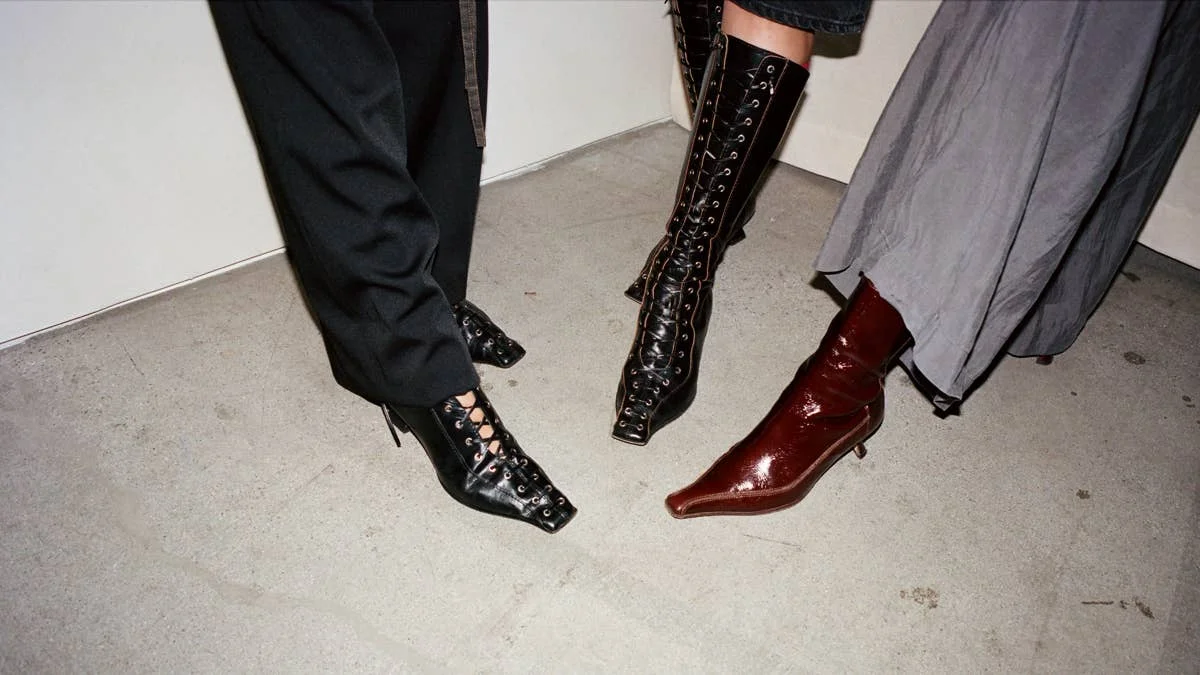
Photo: Courtesy of Miista