Apparel groups warn port fees could cut exports and jobs
The central concern in the USFIA’s filing is that fees on Chinese-linked ships could ripple well beyond shipping costs. The association told the Office of the U.S. Trade Representative that U.S. apparel exports could fall 5 percent if the proposed Section 301 fees take effect. The [USFIA](https://wwd.com/tag/usfia/), which also linked its comments to the [apparel export issue](https://wwd.com/tag/apparel-exports/) and the [USTR](https://wwd.com/tag/ustr/), put potential losses in U.S. fashion and apparel employment and output at 4 percent, citing a March 2025 study by Trade Partnership Worldwide.
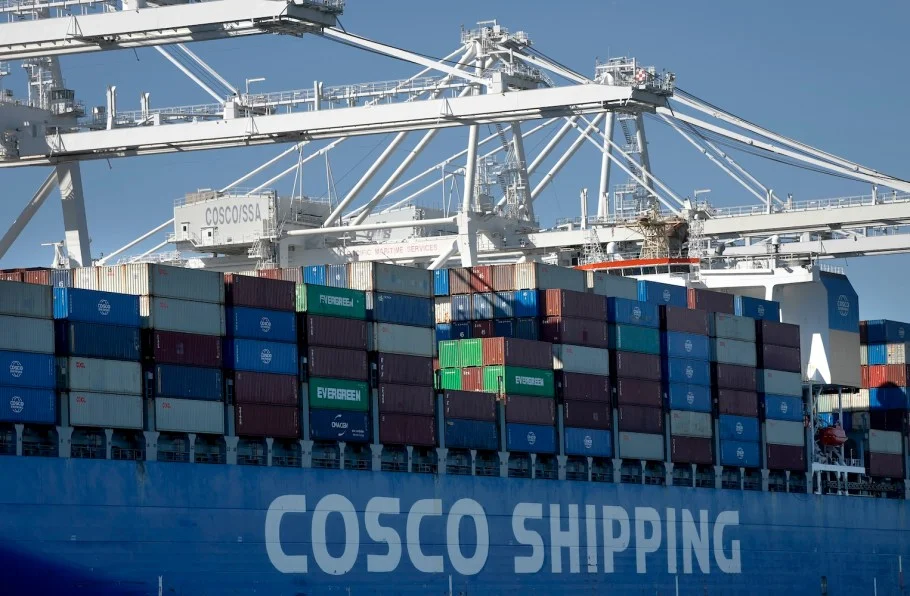
The [USFIA](https://wwd.com/sourcing-journal/trade/canada-tariffs-ncto-apparel-textiles-trade-usfia-aafa-1239202777/), the [American Apparel and Footwear Association](https://wwd.com/tag/aafa/) and the [National Retail Federation](https://wwd.com/tag/nrf/) backed the [USTR’s proposal to extend the fee suspension for two months](https://wwd.com/sourcing-journal/logistics/ustr-proposes-two-month-extension-china-port-fee-suspension-1239386782/). The charges would apply when Chinese-built or Chinese-operated vessels call at U.S. [ports](https://wwd.com/tag/ports/). They were briefly collected in October and November before the U.S. and China [postponed them for a year](https://wwd.com/sourcing-journal/logistics/us-china-postpone-port-fees-one-year-president-donald-trump-xi-jinping-section-301-investigation-shipbuilding-1238858908/) as tariff tensions eased. The fees had [taken effect briefly](https://wwd.sourcingjournal.com/topics/logistics/cosco-oocl-43-million-ustr-port-docking-fees-china-vessels-one-week-zim-container-shipping-sts-cranes-1234786382/) before that delay.
The groups say the costs would spread through supply chains, complicate business planning and do little in the near term to revive U.S. shipbuilding. The USFIA also cited Moongate Associates’ estimate that 70 percent of an imported garment’s value supports U.S. jobs in design, sourcing, distribution, retail and services.
“Each proposed remedy would have a net negative effect on the U.S. economy whether imposed individually or together,” said USFIA president Julia Hughes. Higher costs, she argued, could cut sales and employment in wholesale and retail. She also warned that fees could weaken Western Hemisphere supply chains that rely on U.S.-made inputs, pointing to the [regional sourcing network](https://wwd.com/sourcing-journal/industry-news/sj-fall-summit-western-hemisphere-nearshoring-apparel-sourcing-1239319538/).
Hughes told the USTR that rising labor and transport expenses can raise manufacturers’ production costs. Companies may pass those increases on to shoppers, she said, which could dampen spending and hurt fashion retail sales and jobs.
Retailers and carriers want a longer pause
The comment period on the proposed extension closed Friday with 64 submissions. The USTR has yet to issue a final decision. Without an extension, the current suspension is scheduled to end at 11:59 p.m. Eastern on Nov. 9; if the proposed extension is adopted, the new deadline would be Jan. 9, 2027.
The AAFA, which represents more than 1,100 brands and more than $561 billion in annual U.S. retail sales, called for a longer-term resolution and an early announcement to help companies plan. Its manager for trade and transportation, Audrey Clark, said the fees have not shown meaningful progress toward strengthening U.S. shipbuilding. According to Clark, carriers shifted non-Chinese-built vessels onto U.S. routes while continuing to place orders with Chinese shipyards. Chinese carriers also redirected some calls to Canada and Mexico, taking business from U.S. [ports](https://wwd.com/sourcing-journal/logistics/typhoon-champi-china-asia-port-congestion-backlog-recovery-shanghai-ningbo-1239384681/) and workers.
For apparel, footwear and travel goods companies, uncertainty reaches into shipping contracts, seasonal production calendars and complex transport networks. AAFA members generally don’t choose which vessels carry their cargo, Clark said, making abrupt fee or route changes especially disruptive. The group also argued that tariffs on ship-to-shore [cranes and cargo-handling equipment](https://wwd.com/sourcing-journal/logistics/ustr-port-fees-crane-tariffs-china-one-year-delay-chinese-ship-to-shore-sts-unions-shipbuilding-trump-xi-1238859286/) could raise costs and slow port upgrades when alternative suppliers are limited. It pointed instead to investment and partnerships, including South Korean shipbuilder Hanwha’s announced [$5 billion investment](https://wwd.com/sourcing-journal/logistics/shipbuilding-south-korea-lee-jae-myung-donald-trump-masga-hanwha-shipyard-hyundai-samsung-1238856080/) in Philadelphia’s shipyard.
The NRF also urged the USTR to extend the suspension substantially or remove the fees while China negotiations continue. Retailers and manufacturers make routing and contracting decisions months before cargo leaves overseas, the group said. That timing makes it harder to forecast demand, book capacity, negotiate rates and manage inventory. David French, the NRF’s executive vice president for government relations, warned that uncertainty can tighten available shipping capacity and add volatility to ocean freight prices.
Industry split over whether fees can change shipbuilding
Ocean carriers are watching the decision closely. The World Shipping Council called for a permanent pause, arguing that retroactive fees on ships already built or ordered would punish earlier commercial choices without reducing reliance on Chinese shipbuilding. Hapag-Lloyd’s U.S. subsidiary said it met with USTR officials Friday and proposed encouraging cargo to move on U.S.-flagged vessels instead.
Manufacturing and labor groups offered the counterargument: suspending the fees could remove pressure on China’s maritime industry without addressing the practices that prompted the USTR’s investigation. The Alliance for American Manufacturing and United Steelworkers were among the few groups opposing a pause, citing Chinese government subsidies, non-market practices and predatory pricing.
AAM president Scott Paul said the proposal gave no indication that those practices had been resolved. Extending the suspension, he argued, would prolong uncertainty for shipyards, suppliers, carriers, workers and investors, while delaying the market signal the fees were meant to send.
The USW led five unions that filed the original [Section 301 complaint](https://wwd.com/sourcing-journal/trade/ustr-katherine-tai-us-china-trade-maritime-logistics-shipbuilding-unions-usw-petition-president-biden-tariffs-1238833464/), prompting a nine-month USTR investigation into China’s influence over maritime, logistics and shipbuilding. The disagreement is plain: apparel and retail groups see immediate costs and planning risks, while labor and manufacturing advocates see a tool for countering long-standing industrial practices.
In a letter to the USTR's office, the USFIA noted the suspended port fees would hurt industry jobs. Justin Sullivan/Getty Images