Halloween fiction works best when it unsettles familiar things: a childhood bedroom, a family home, a lover who won’t stay gone. This reading list moves through those intimate fears, then into stranger territory, where a skeleton dates, a crab makes a home in human remains, and a house of horrors becomes a setting for poems about addiction and healing.
The selections come from Recommended Reading and The Commuter, spanning short stories, flash fiction and poetry. Their approaches vary. Some lean on the slow pressure of family history; others turn an eerie premise into dark comedy or melancholy. Together, they offer a Halloween reading route for anyone who prefers a creeping sense of dread to a quick scare.
Old homes, childhood fears
“Good Night, Sleep Tight” by Brian Evenson
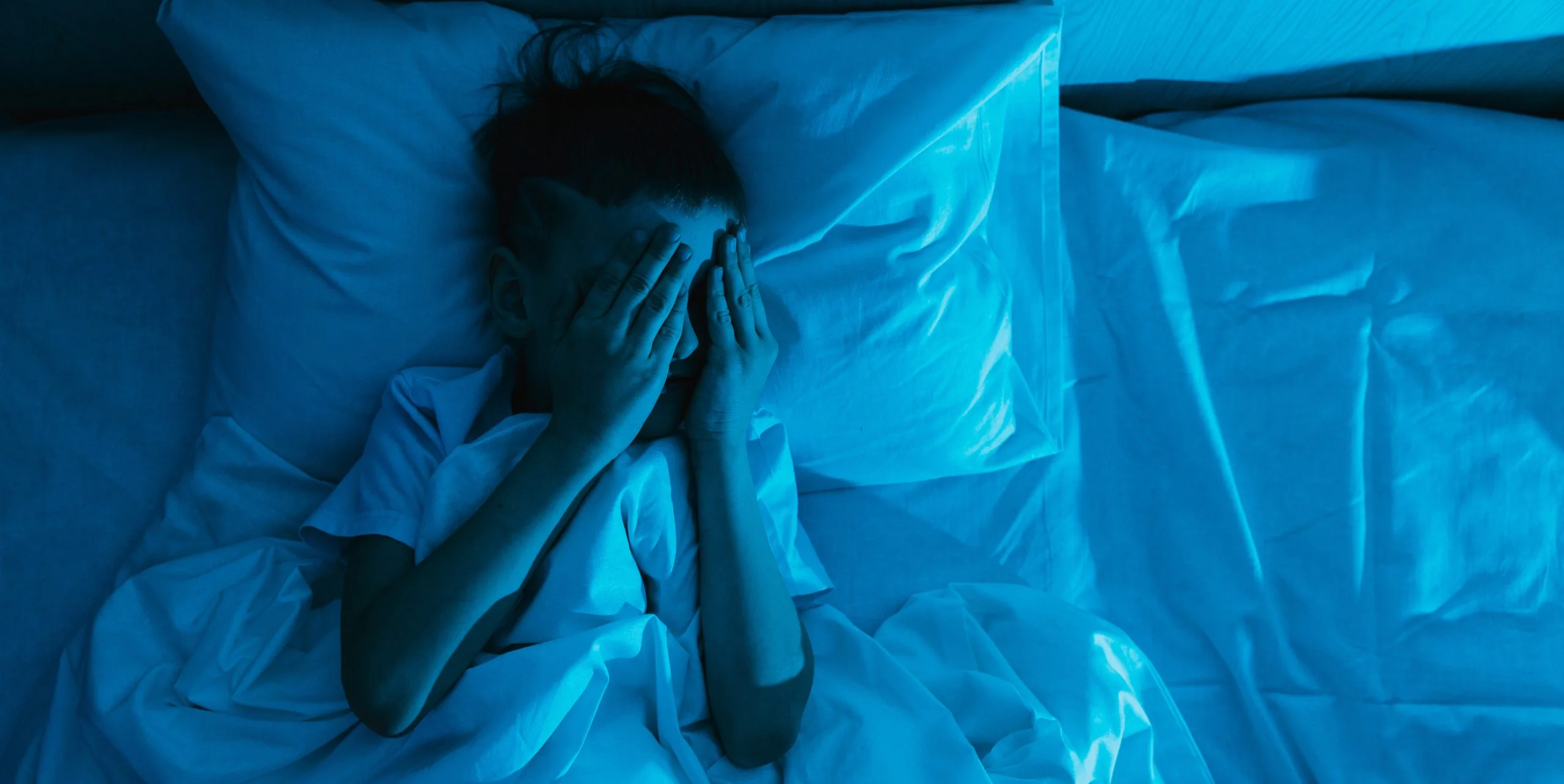
Brian Evenson builds unease out of an ordinary childhood ritual: a mother telling bedtime stories. Most are comforting, but she occasionally returns to her son’s room with a frightening tale. Years later, the narrator is preparing to bring his wife and son to visit his mother at the house where he grew up. The old stories now carry a sharper edge. He worries about what his mother might tell his child, and about the parts of his own past he has avoided confronting. The setup turns the bedtime story into a family inheritance, leaving the narrator to reckon with what childhood memories conceal—and what they might pass on.
“The Dirty Kid” by Mariana Enriquez
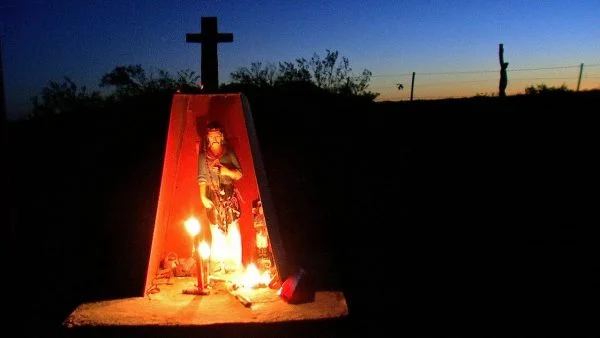
Mariana Enriquez’s “The Dirty Kid” opens in a neighborhood whose history seems to have left a mark on every building. Its grand mansions once belonged to Argentine aristocrats who fled a yellow fever epidemic; now, the area is worn down, with decaying homes, struggling businesses, thieves and people living on the street. The narrator remains attached to her family home even as the neighborhood changes around it. Then a homeless woman and her child, who live outside the narrator’s door, disappear. What could read as a crime story begins to suggest something more uncanny. Enriquez uses the setting’s layered past to keep the source of the menace uncertain: it may be rooted in human neglect, local history or forces that resist easy explanation.
“Tiptoe” by Laird Barron
In Laird Barron’s “Tiptoe,” a narrator revisits a childhood camping trip while trying to understand a condition that has unsettled his adult life. He believes his upbringing was wholesome and free of trauma, but the return to those memories complicates that certainty. The story locates its fear beyond the campfire, deep in the woods, and lets it approach gradually. Barron’s focus on the animal instincts that can surface beneath human desire gives the childhood setting an unnerving second life. The familiar adults and family bonds around the trip become part of the mystery: how well can the narrator trust what he remembers about the people he loved?
Isolation and things that won’t stay buried
“King of All Hogs” by JG Lynas
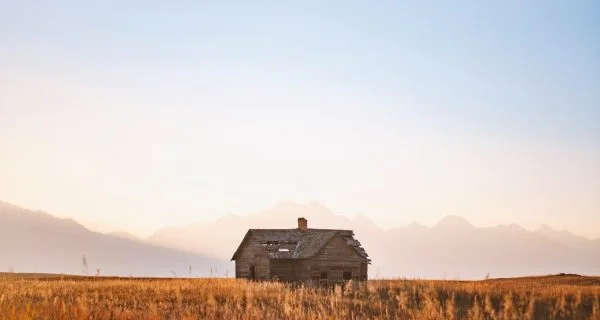
A remote pig farm, an aging couple, a rundown barn and a phone that keeps ringing give JG Lynas’s story a strong sense of place before the questions start multiplying. The narrator and her boyfriend, Mark, find the farm through an online forum and invite themselves to stay for dinner. Their relationship already feels off balance, shaped by an infatuation the narrator doesn’t quite seem to trust. Once they arrive, the farm’s isolation adds pressure to every encounter. The barn, the hosts and the caller on the other end of the phone each become possible sources of danger. The story’s appeal lies in how it keeps the reader weighing those clues without revealing too soon which one matters most.
“Hannah-Beast” by Jennifer McMahon
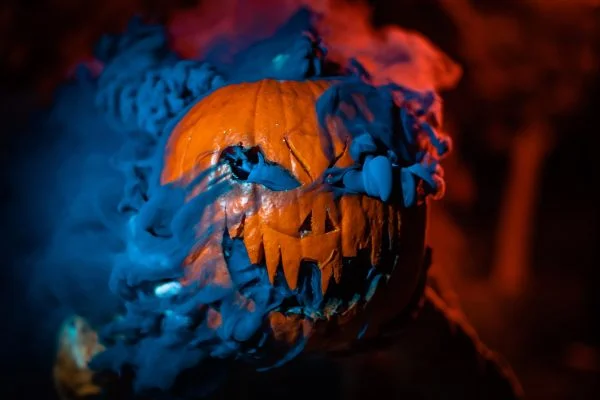
Jennifer McMahon sets “Hannah-Beast” on Halloween night, when thirteen-year-old Erin is eager to go trick-or-treating in a costume her mother, Amanda, wants her to abandon. The outfit—blue face paint, a clown wig and a silver cape—once belonged to a local girl whose story still haunts the town. Erin sees that history as part of the costume’s appeal. Amanda’s reaction looks like parental alarm, but the story’s movement between past and present suggests that her concern has deeper roots. The friction between mother and daughter gives the haunting a personal center: Erin is pushing against rules she doesn’t understand, while Amanda knows more than she can easily explain.
Darkly comic and quietly mournful encounters
“The Bone Friend” by Zebbie Watson
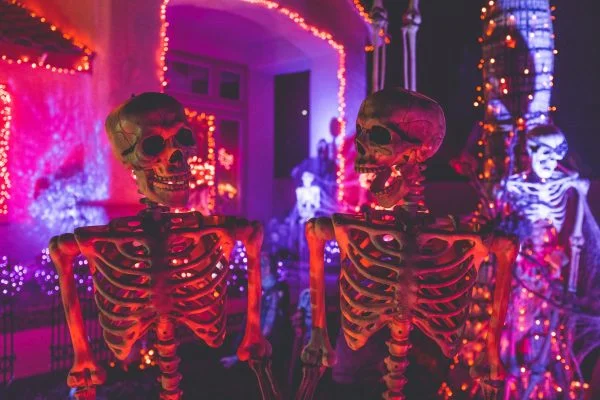
Zebbie Watson’s flash fiction begins with a macabre discovery and takes an unexpectedly tender turn: a teenage girl finds a body of bones and decides to date him. The skeleton narrates, trying to understand the living world around him while wondering who he was before death reduced him to bones. That perspective shifts the story away from shock and toward identity, loneliness and the desire to belong. Watson’s poetic prose gives the odd romance a note of longing, making the piece feel less like a joke about the dead than a small, melancholy meditation on connection.

“Fucking Ghosts!” by Hannah Gregory
Hannah Gregory’s flash piece starts with a familiar ghost story premise—a dead former lover returns every October—and veers into offbeat humor. The narrator keeps the visits private, responding to the cold draft at her neck in ways she doesn’t share with other people. Her secret begins to change when she meets someone who understands the pull of returning to a partner after death. Beneath its comic frankness, the story takes grief seriously: desire and loss can coexist, and moving on isn’t always a clean break. The supernatural visitor makes that tension literal, arriving on a calendar that refuses to let the narrator forget.
“The Bone Hermit” by Lyndsey Croal
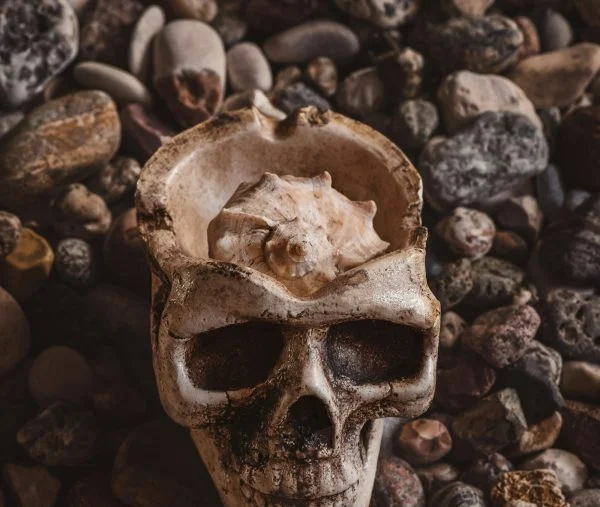
Lyndsey Croal’s compact horror story gives grief a grotesque physical presence. A hermit crab takes up residence in the bones of the narrator’s dead husband, whose body she thought she had hidden safely in a coastal cove. Then fragments begin appearing outside her window, and the crab peers from the skull’s empty eyes. The image is vivid, but the story’s unease also comes from the failure of the narrator’s attempt to put the body—and, perhaps, her loss—out of sight. The shoreline becomes a place where what’s been buried can return in altered form.
Poetry in the house of horrors
“I Pray in the Screamers House of Horrors” by Domenica Martinello
Domenica Martinello’s poem opens a set in which hope emerges from a house of horrors. Its visceral language draws on addiction and recovery, putting the reader close to the narrator’s struggle to breathe, find a way out and decide whether a distant light offers warmth or another threat. The poem’s power comes from holding those possibilities together. It closes this selection on a note that’s more searching than reassuring: some darkness is supernatural, while some comes from lived experience, and the path toward healing may not feel safe at every step.
These pieces offer several ways into Halloween reading: family secrets, remote farms, unruly ghosts, uneasy romance and poetry that turns horror inward. Start with the kind of dread you like best, then follow it somewhere less familiar.
The post Our Favorite Short Stories, Flash Fiction, and Poetry to Read for Halloween appeared first on Electric Literature.


