

Best A24 Horror Movies, Ranked by Tomatometer
Updated: Two 2026 releases, Backrooms and Undertone, have been added to the list.
A24’s horror identity
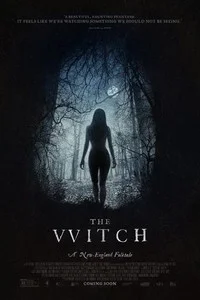
A24’s reputation in horror rests on a useful distinction: Blumhouse built its name around lean budgets and broad audiences, while A24 became associated with films willing to make fear stranger, slower, and less predictable. Both companies rose during the 2010s, a decade that produced some of the genre’s most talked-about work. You can trace A24’s horror breakthrough to 2016, when Robert Eggers’ The Witch brought period detail and creeping dread, and Green Room turned a backwoods punk show into a brutal fight for survival. A24 also released the Best Picture Oscar winner Moonlight that year.
The company’s horror run kept building. Hereditary, released in 2018, was A24’s highest-grossing film until Everything Everywhere All at Once. It also launched writer-director Ari Aster’s feature career; he followed it with 2019’s blazing, unsettling Midsommar.
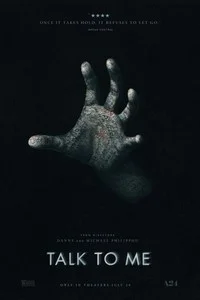
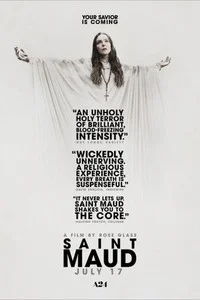
“Elevated horror” became a shorthand for films that put atmosphere, dread, and ideas ahead of jump scares. The label has faded, but the shift it described hasn’t: movies such as It Follows and Blumhouse’s Get Out helped widen expectations for what horror could do and still withstand critical and social scrutiny. A24 has continued that approach into the 2020s, from Rose Glass’ Saint Maud to Ti West’s X, Pearl, and MaXXXine, as well as Talk to Me. The ranking below puts those varied approaches in Tomatometer order.
 94%
 80%
 94% 70%
 93% 80%
 92% 67%
 92%
 51%
 91% 61%
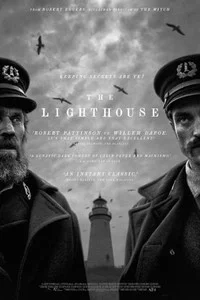 90% 72%
The middle of this ranking makes a strong case for horror that gets under your skin in different ways: family secrets, claustrophobic danger, and the fear of what you can’t see. Audience scores are more divided than critics’ scores for several of these films, which suggests the list favors ambition and unease over easy crowd-pleasing.
Fear inside the home—and outside it
 90%
72%
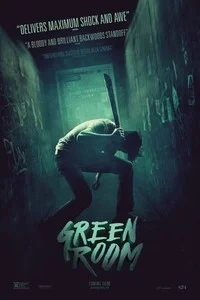 90%
75%
Hereditary and Green Room both sit at 90% with critics, but their threats come from opposite directions: one turns family history into a trap; the other makes immediate physical danger the whole point. That range matters. Horror doesn’t need one shared formula to earn critical approval.
Belief, grief, and things left unexplained
 89%
76%
 89%
79%
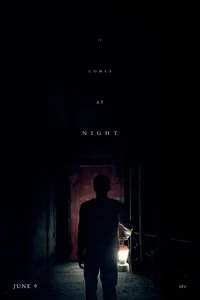 88%
44%
Here’s the split in the ratings: It Comes at Night earns 88% from critics but just 44% from audiences. That gap hints at a film whose restraint and ambiguity work better for reviewers than for viewers looking for clearer answers. The score alone can’t explain the response, but the contrast is hard to miss.
Strange premises, sharp turns
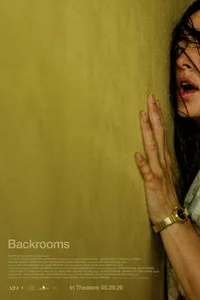 86%
70%
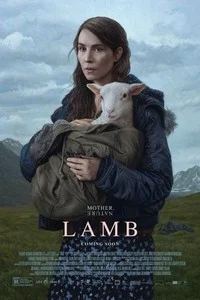 86%
58%
 85%
61%
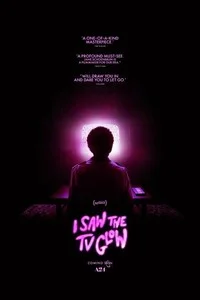 85%
49%
Strange worlds, difficult choices
The films ranked 17 through 20 share a taste for horror that lingers after the plot stops explaining itself. Their audience scores sit below their critics’ ratings, a reminder that unsettling imagery and ambiguity can divide viewers.
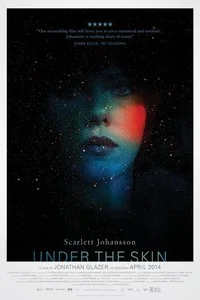 84% 55%
Critics’ view: Jonathan Glazer’s film pairs arresting images with Scarlett Johansson’s hypnotic performance. Its meaning can be hard to pin down, but that uncertainty is part of what makes it haunt.
Story: An extraterrestrial, disguised as a woman, cruises around Scotland in search of men to lure into her van.
Cast: Scarlett Johansson, Jeremy McWilliams, Lynsey Taylor Mackay, Dougie McConnell. Directed by: Jonathan Glazer.
 83% 65%
Critics’ view: Ari Aster’s careful craft makes this ambitious horror story deeply unnerving. The film adds another strong case for treating him as a major voice in the genre.
Story: A troubled American couple travels to a Swedish midsummer celebration. Its idyllic setting turns sinister, and the festival becomes a nightmare.
Cast: Florence Pugh, Jack Reynor, William Jackson Harper, Will Poulter. Directed by: Ari Aster, Fredrik Heinig, Pelle Nilsson, Ben Rimmer.
 83% 42%
Critics’ view: Claire Denis gives viewers an arresting, demanding film that can confound before it rewards. That split is visible in its 83% Tomatometer and 42% Popcornmeter.
Story: Monte and his infant daughter are the final survivors of a dangerous mission sent to the solar system’s outer reaches.
Cast: Robert Pattinson, Juliette Binoche, André Benjamin, Mia Goth. Directed by: Claire Denis.
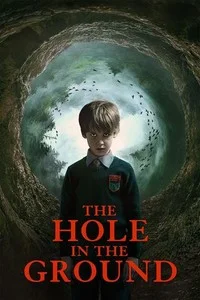 83% 47%
Critics’ view: Lee Cronin’s film draws its force from a familiar parental fear. It doesn’t reinvent the genre, but its controlled execution makes the premise effective.
Story: Sarah’s young son vanishes into the woods near their rural home. When he comes back, he looks unchanged, though his behavior begins to trouble her.
Cast: Seána Kerslake, James Quinn Markey, James Cosmo, Kati Outinen. Directed by: Lee Cronin, Hilary Davis, Tara Moross, Tim Hegarty.
That’s the appeal—and the wager—of this stretch of the list: each film trusts atmosphere to do work that a tidy explanation might weaken. If you’re choosing one, expect an experience that may stay with you longer than its plot points.


