Teen media is finding room to grow again by offering something social platforms can’t: an edited perspective, a physical object and a place for young readers to encounter ideas beyond their usual feeds. The revival spans new print titles such as WYouth and Cuqui, alongside familiar brands including Teen Vogue and Seventeen, which are reshaping their coverage for younger audiences.
The shift isn’t a simple return to the teen magazine business of the 1990s. Today’s publications are taking different routes through print, digital coverage and live formats, while responding to readers who want both representation and a measure of distance from recommendation algorithms.
A new generation of teen titles
W’s editor-in-chief Sara Moonves announced WYouth in April, with New York-based creative director Ava Nirui leading the project. Its first print issue reached newsstands on Sept. 15. Nirui said the idea grew out of a conversation with Moonves and filmmaker Sofia Coppola about the magazines that had shaped their own teenage years. The aim, she said in a press release, is to bring that spirit to today’s readers.

Photo: Jerritt Clark/Getty Images for W Magazine
Another new entrant is Cuqui, a print magazine launched in August by fashion media veteran Paula James-Martinez. Its description — “a place for girlhood that looks you in the eye” — points to a deliberately personal approach. James-Martinez, who grew up in the U.K. reading Dazed and Confused and began working there at 19, later held roles at Dazed, Purple and Refinery29. She says she saw a gap for teen media that wouldn’t expose readers to predatory algorithms.
James-Martinez has built Cuqui with an editorial board that includes alumni of Teen Vogue, Nylon and The New York Times. But she says the project’s strongest work comes from teenagers themselves. She spent two weeks at summer camp with 100 teens, listening to their concerns and asking what they wanted the magazine to become. That process makes reader participation part of the editorial method, rather than simply a subject for coverage.
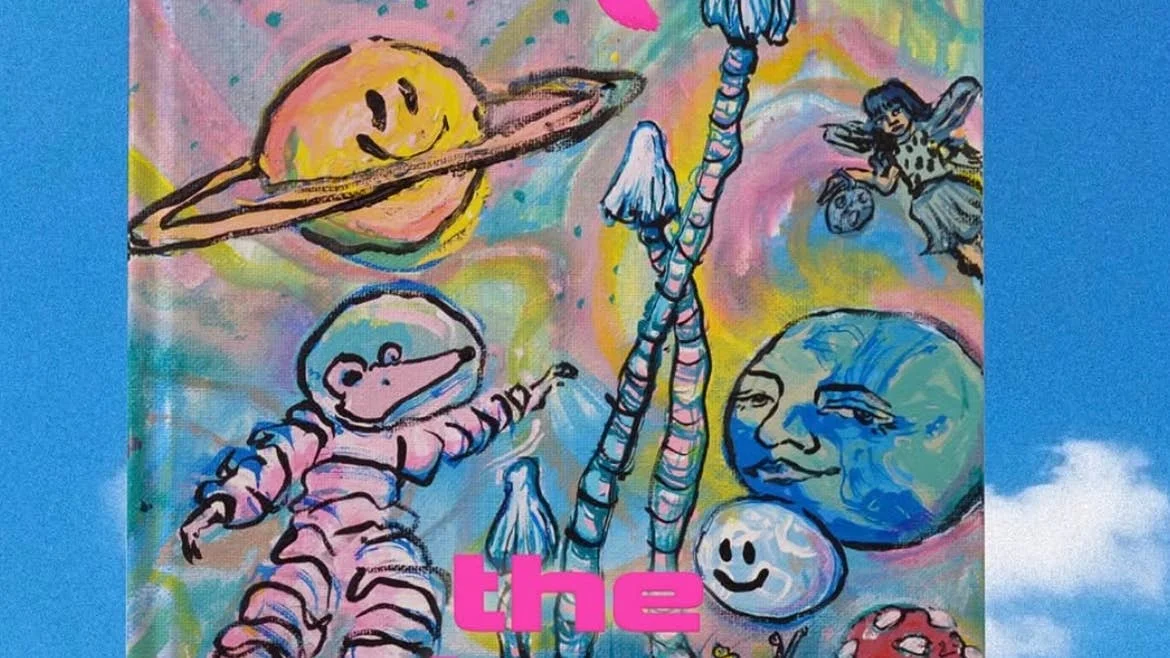
Photo: Courtesy of Cuqui
The established brands are changing, too. After Teen Vogue was consolidated into Vogue’s digital operation last year, digital director Alyssa Hardy and creative editorial director Mi-Anne Chan began leading a new phase of its coverage. At Hearst, Willa Bennett now oversees Seventeen as well as Cosmopolitan. The new leadership reflects a broader effort to keep teen media connected to the subjects and voices young readers care about.
Teen Vogue has covered topics including a luxury fashion group’s investment in youth sexual violence prevention and featured transgender Gen-Z figures Alex Consani and Vivian Wilson on its covers. Seventeen has highlighted BIPOC stars, including through a digital issue centered on fandoms. These examples suggest that the category’s relevance depends partly on how well editors widen the frame beyond the narrow ideals that shaped many earlier titles.
Nostalgia, with a more critical eye
The return has a generational dimension. Millennials remember a period when teen magazines were central to youth culture, then watched the format contract as digital media grew rapidly from 2004 to 2010. Tavi Gevinson’s Rookie later tested a hybrid of online publishing and print-inspired sensibility, but it closed in 2018. For younger readers raised in a digital-first environment, a magazine can offer a different kind of encounter with culture.
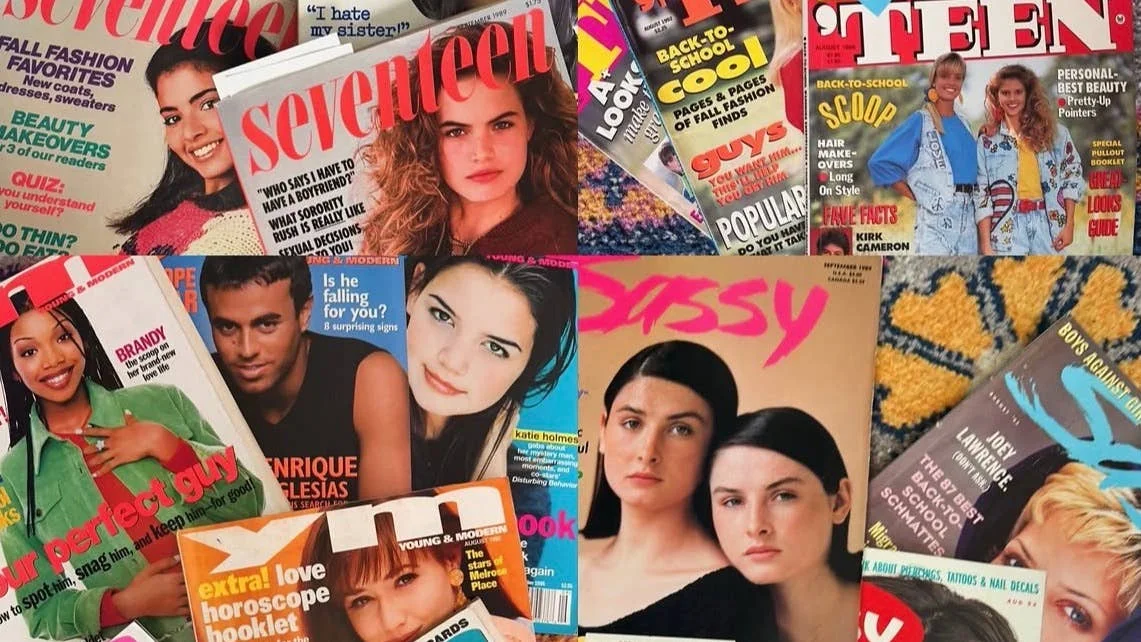
Morgan Baden, who runs the archive account @teenmagazinemuseum, sees nostalgia and escapism as part of the renewed interest. In a period of uncertainty, she says, returning to physical media can provide a way to step outside the present. Baden began collecting after the birth of her daughter, when she found old issues of Teen, Seventeen, Sassy and YM through eBay and Etsy. Her archive now has 25,000 Instagram followers and also reaches readers on Substack and Threads.
Her affection for those magazines comes with a clear-eyed view of their limits. Baden says they often reflected whiteness, thinness and heteronormativity, and could leave readers feeling judged for their bodies, appearance, sexuality or spending power. At their best, though, they answered questions readers might have felt unable to ask, made the changes of puberty feel less isolating and offered a more approachable picture of young adulthood than other media did.
That tension helps explain why a revival can’t rely on fond memories alone. Teen publications need to preserve the intimacy and usefulness readers valued while making room for experiences earlier editors often overlooked. Hardy says young audiences deserve media that reflects them in multiple ways and is still shaped by editorial judgment.
Print as a different pace
Cuqui’s print-only format makes the case for a slower experience. James-Martinez describes it as an escape from social media’s noise, where interaction can feel less social than the platforms promise. A reader can spend time with a magazine and then put it away; there’s no comment thread or endless feed pulling attention onward.
Baden makes a similar point: people benefit from being able to enter and leave a media experience at their own pace. That appeal appears to extend beyond nostalgia. YPulse reported that 57% of people aged 13 to 39 were interested in consuming print rather than digital content in its “Going Analog” trend report.
Annie Corser, senior editor for pop culture and media at trend-tracking platform Stylus, says Gen Z still uses social media for discovery and self-expression but is also looking for balance. Teen magazines could fit that mix if they stay alert to changing youth culture while giving readers reporting and ideas that outlast short-lived online trends.
YPulse’s figures point to interest, not a guarantee that print will reclaim its former reach. The opportunity for publishers is to make print one useful part of a broader relationship with readers. Seventeen, for example, now extends its work through YouTube, newsletters, TikTok and live events. Bennett describes the magazine as an ecosystem rather than a product confined to its pages.
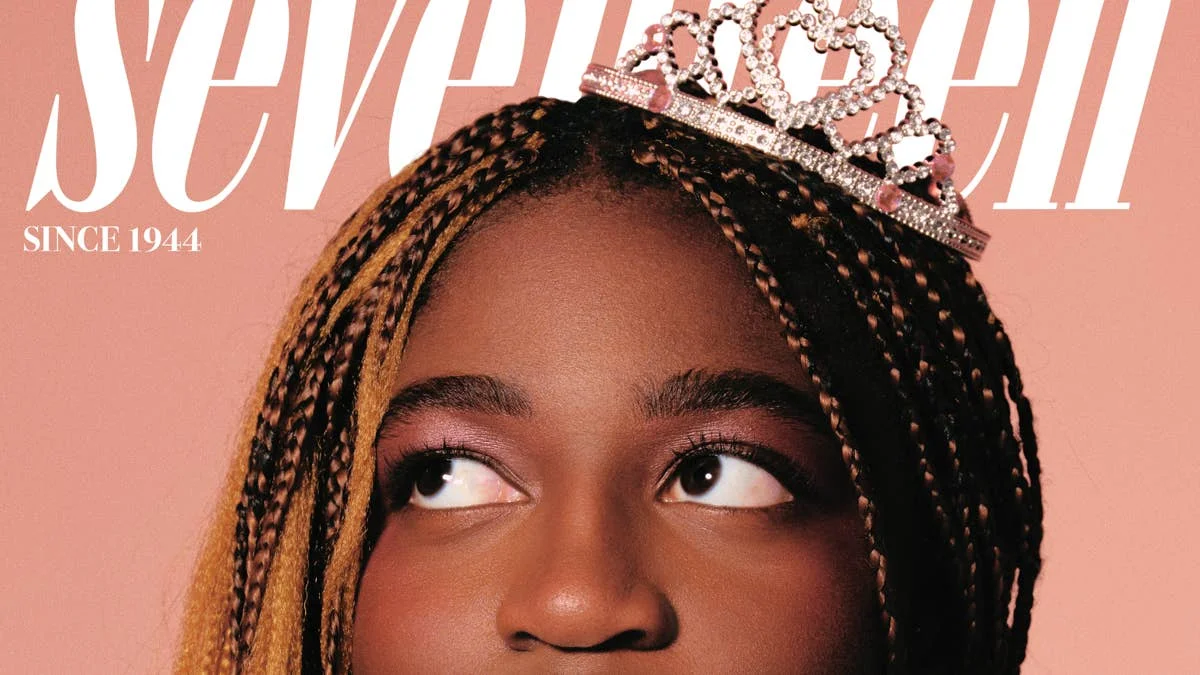
Photo: Alex G. Harper/Courtesy of Seventeen
Editorial judgment beyond the feed
The value of a teen publication may depend less on choosing between print and digital than on offering something that algorithms don’t. Bennett says young people are repeatedly presented with suggested versions of who they could be before they’ve had time to work that out for themselves. Her question for readers is direct: “Who do you want to become?”
For Bennett, an editor’s job is to introduce readers to people, ideas and conversations they didn’t know to seek out. Hardy describes Teen Vogue’s remit in similar terms: its coverage should take seriously the celebrities, fashion brands, games, books and issues that matter to young people, and show why they matter.
That approach gives teen media a distinct role in a crowded publishing market. A feed can reflect past clicks with impressive speed, but it can also narrow the range of what someone sees. Editors can bring readers into contact with unfamiliar interests and perspectives, while giving the subjects they already care about more context.
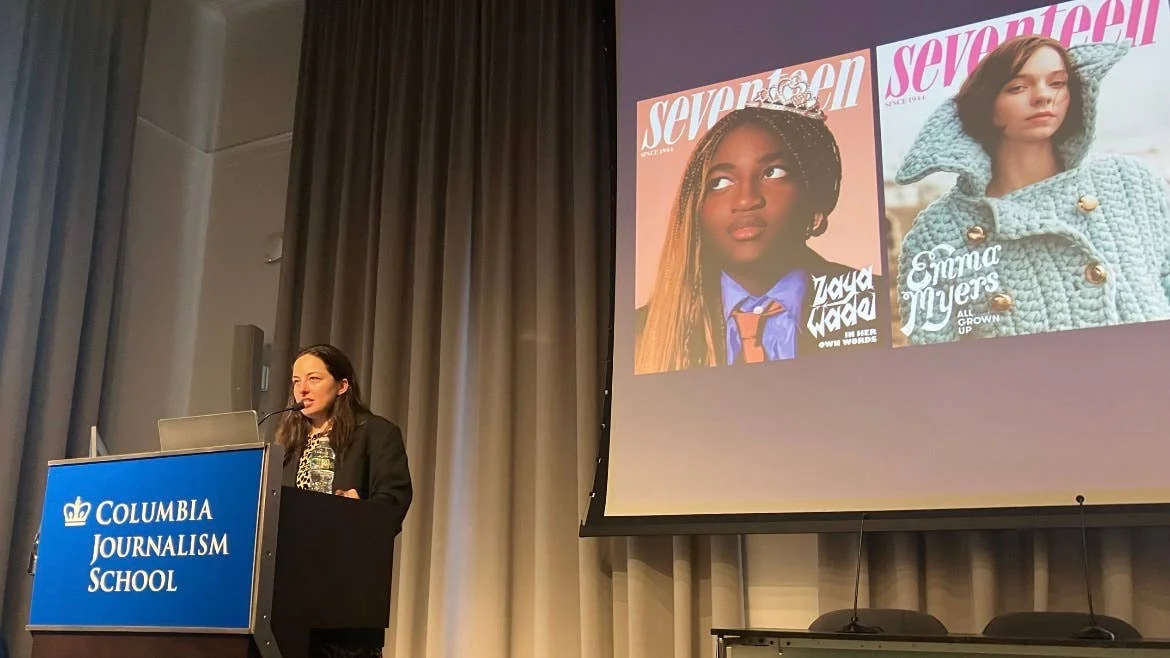
Photo: Courtesy of Willa Bennett
The revival is arriving through a mix of formats: WYouth and Cuqui are investing in print, while Teen Vogue and Seventeen are building on digital platforms their audiences already use. The strongest model may be the one that treats those choices as complementary. Readers can discover a story online, spend more time with it in print or encounter it through events and newsletters.
Teen magazines once helped generations of young readers make sense of identity, friendship, beauty and adulthood. Their next chapter will depend on whether they can provide that sense of connection without repeating the exclusions of their past. For publishers, the practical test is whether young people see their lives reflected on the page — and whether the editorial choices also make room for something they hadn’t yet imagined.
Rookie, which closed in 2018, showed that a digital-first project could still draw on print’s sensibility. Now the mix is broader: new print launches, established digital desks and social channels all compete for a place in young people’s routines. The publications that last will be those that offer a reason to return beyond the next trend: a voice readers trust, a perspective they didn’t expect and a chance to explore who they might become.
Source links: Cuqui on Instagram; Teen Vogue joins Vogue; Willa Bennett; Teen Vogue coverage of youth sexual violence prevention; Seventeen’s fandoms issue; Cuqui; Stylus; YPulse’s “Going Analog” report.