Pressed Roots’ move into Washington, D.C. puts its central promise to the test: customers with textured hair should be able to book a silk press without relying on one particular stylist. The company plans to open its fifth salon in the city this December, its first location outside Texas and its first on the East Coast. Founder Piersten Gaines says the expansion follows years of reviewing sales, customer feedback, repeat visits and staff performance.
That promise grew out of Gaines’ own search for a salon she could trust. After moving to Boston for Harvard Business School, she heard about blowout bars from classmates. The concept appealed to her, but the salon’s website showed few people with her hair texture. Her peers told her to request a particular stylist, warning that other staff might not know how to work with her hair.
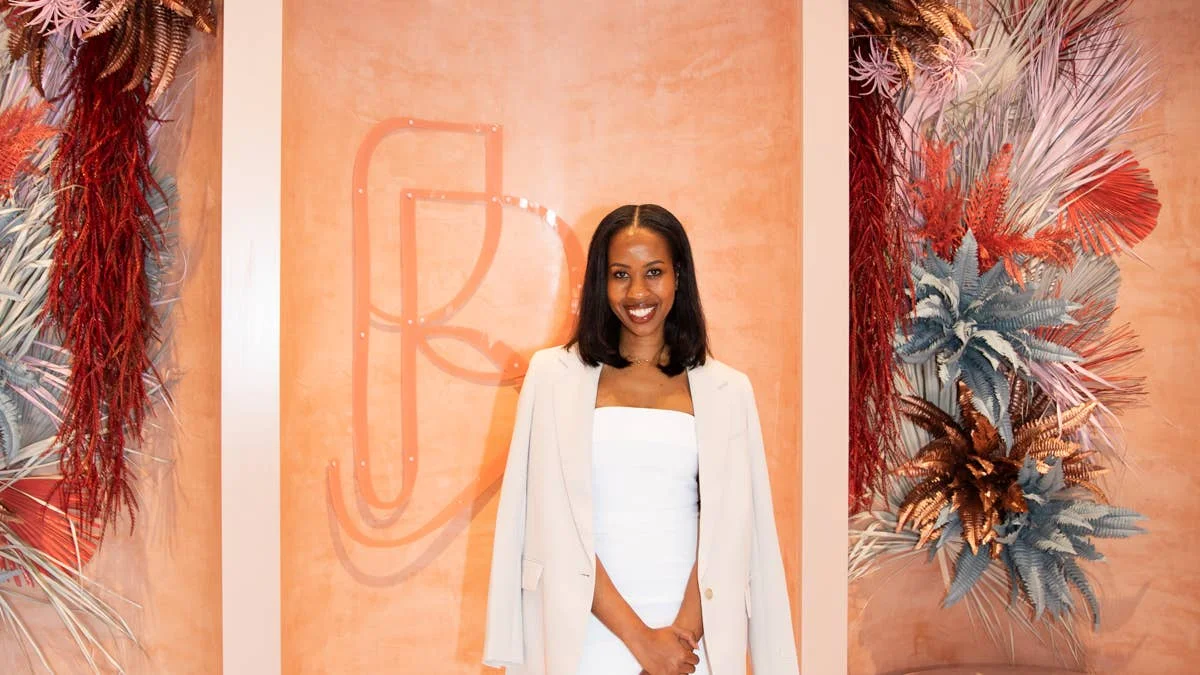
Photo: Courtesy of Pressed Roots
The recommended stylist gave Gaines a professional, efficient visit, and she returned nearly every week. Then that stylist moved away. Gaines tried another person at the salon and had a poor experience. She realized the service she valued depended on a single employee’s expertise. “If everybody here could do textured hair, this would be such an incredible business model because this is such a need,” she recalled thinking.
Gaines founded Pressed Roots in 2018 to make that idea into a dedicated salon concept. She wanted clients to feel confident that their hair would be in capable hands regardless of which stylist served them. The business is built around a repeatable experience, with training and a defined service process intended to make each appointment consistent.
A silk press built around hair health
The core service is Pressed Roots’ signature silk blowout, the company’s take on a silk press adapted to the blowout bar format. Gaines says the team aims to straighten hair as much as possible during blow-drying, then use a flat iron once. The approach is intended to reduce the risk of heat damage, and the company presents hair health as a central service commitment.
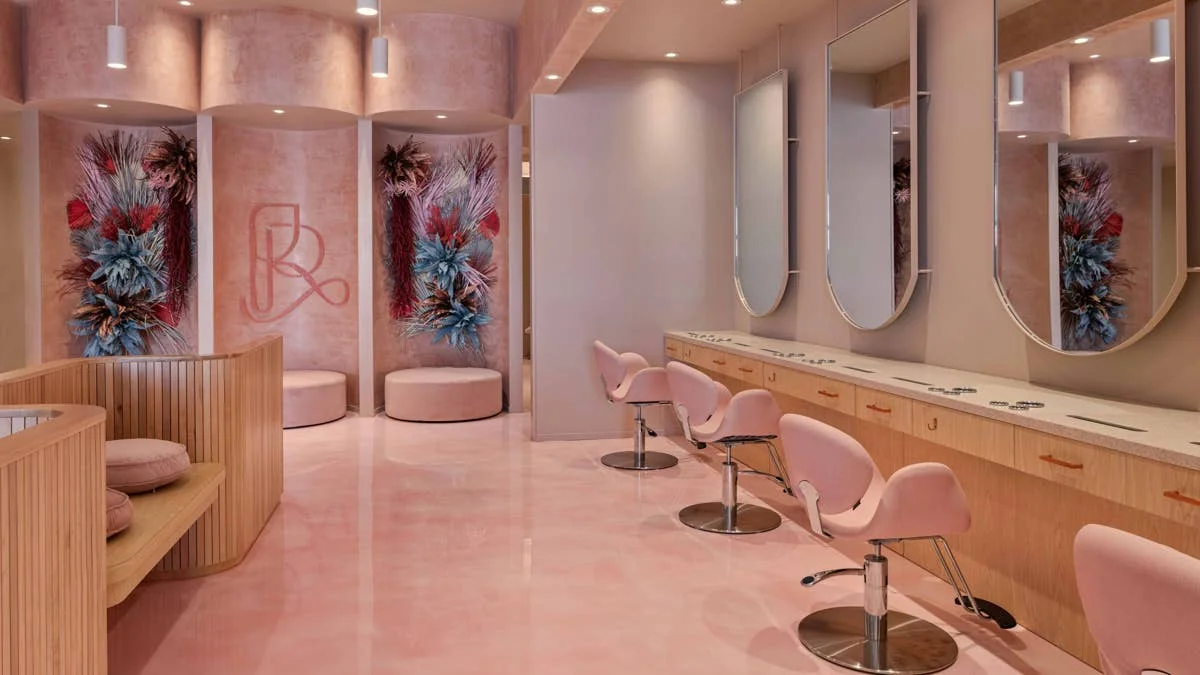
Photo: Courtesy of Pressed Roots
The signature service starts at $80. Clients can add trims, deep conditioning and steam treatments. For frequent visitors, monthly memberships start at $139. Gaines says the business sees strong retention, with core customers returning twice a month. That frequency gives the company a recurring relationship with clients and makes dependable service a practical part of its operating model.
Pressed Roots hires licensed cosmetologists, then puts new team members through hands-on training focused on textured hair. The curriculum covers hair anatomy, porosity, assessing individual needs and selecting products for different curl types. Trainees practice on mannequin heads before they are expected to carry out the company’s 12-step “Pressed Roots Method.”
The process spans the full appointment, from greeting and consultation through shampooing, conditioning, detangling, sectioning, texture preparation, blow-drying, flat ironing, trimming, styling and the client’s departure. Gaines says every stylist is expected to follow it with every guest. Her view is that expertise with textured hair can support work across hair types, while cosmetology education often gives textured hair too little attention.
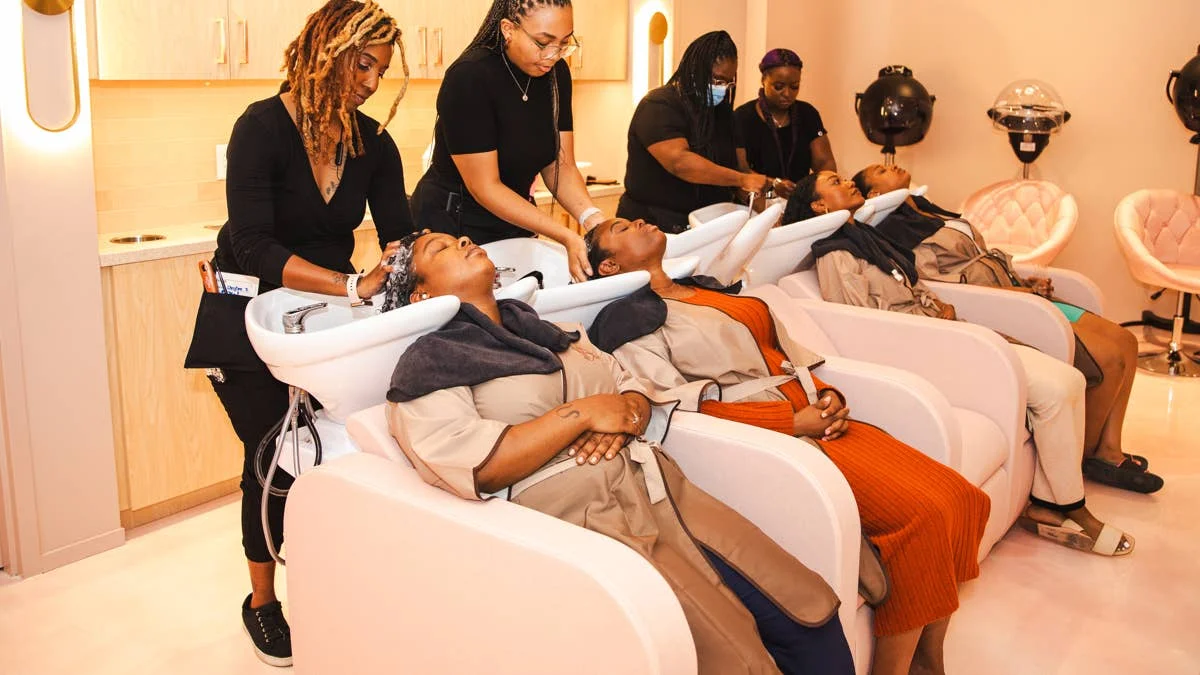
Photo: Courtesy of Pressed Roots
That operating consistency is the point of the model. A salon that depends on one specialist can leave customers scrambling when that person moves or becomes unavailable. Pressed Roots is trying to make the expertise part of the business itself, so clients can expect a familiar standard across its staff and locations. Its customer base, Gaines says, includes women of different ages and household incomes.
Related: The Doux Is Bringing Textured Hair-Care Education to Roblox
From pop-ups to a fifth salon
Before opening a permanent salon, Pressed Roots spent its first two years operating as a traveling pop-up in cities including Boston, Atlanta and Dallas. The response led Gaines to open the first standalone location in Dallas in 2020. The timing quickly became difficult: the salon closed two days after opening as the pandemic forced businesses to shut down.
Pressed Roots reopened two months later, on the day Texas allowed salons to resume operations. Many other salons were still closed, while customers were eager to book appointments. Gaines says the new location built a waiting list that lasted for roughly two years. Social media posts featuring customer transformations and praise for the service helped sustain attention beyond that initial period.
The company went on to open two more Dallas locations and a salon in Houston. Its next site, in Washington, D.C., will follow the same layout, services, memberships and pricing as the existing salons. Gaines described the plan as “copying and pasting” a setup the company believes is working.
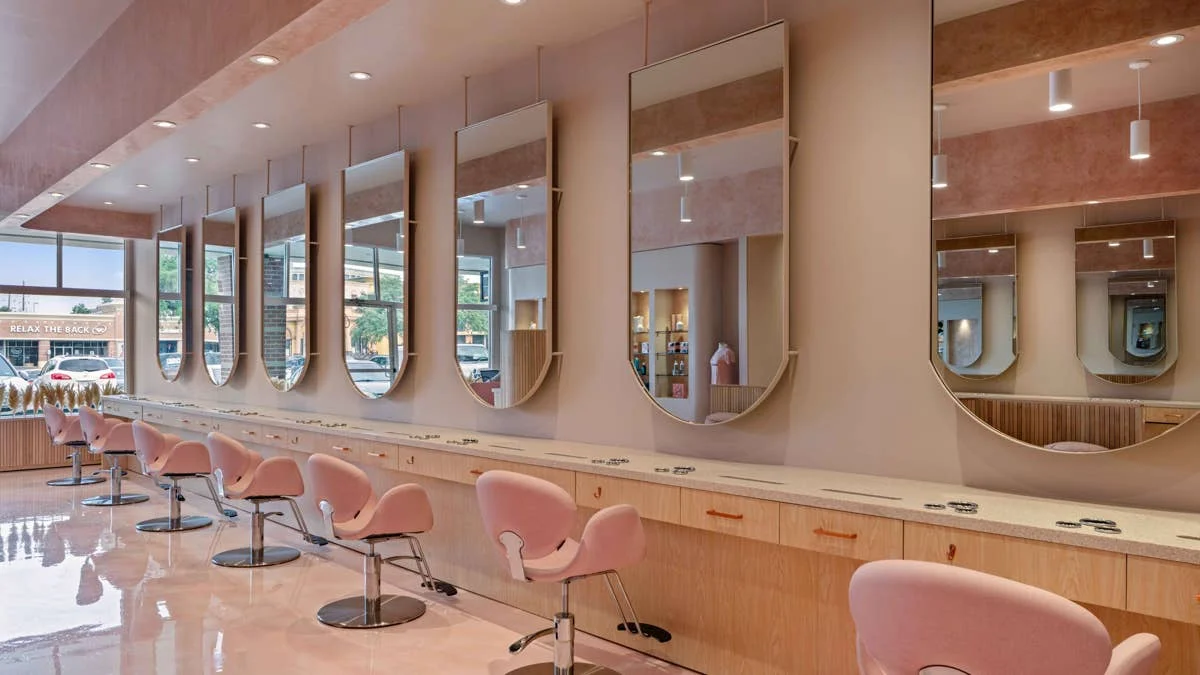
Photo: Courtesy of Pressed Roots
The D.C. choice reflects both the company’s national ambitions and its assessment of local demand. Gaines says the city has a large concentration of people with textured hair. Before committing to expansion beyond Texas, the company examined its business results, guest feedback, retention and staff performance. Gaines says the other locations are profitable and retain customers steadily.
Building awareness in a new city remains an open task. Pressed Roots is still working out its marketing approach, with social media among its main tools. The company will also need to introduce its service to customers who may not yet know the brand. Gaines says she doesn’t see a direct competitor operating the same kind of national salon business focused on textured hair. Independent stylists offer expertise, she says, while Pressed Roots aims to combine that expertise with the convenience and predictable experience of a salon.
Related: Why the Way We Talk About Textured Hair Needs to Change
For Pressed Roots, the next measure of the model will be whether it can carry that consistency into a new market. The company’s expansion depends on more than finding customers: it must recruit and train stylists who can deliver the same method, then earn repeat visits in a city where it has no established salon presence. Gaines hopes the business will also encourage more companies to serve customers with textured hair. If the D.C. location succeeds, Pressed Roots will have a clearer case for taking its format to more cities.


