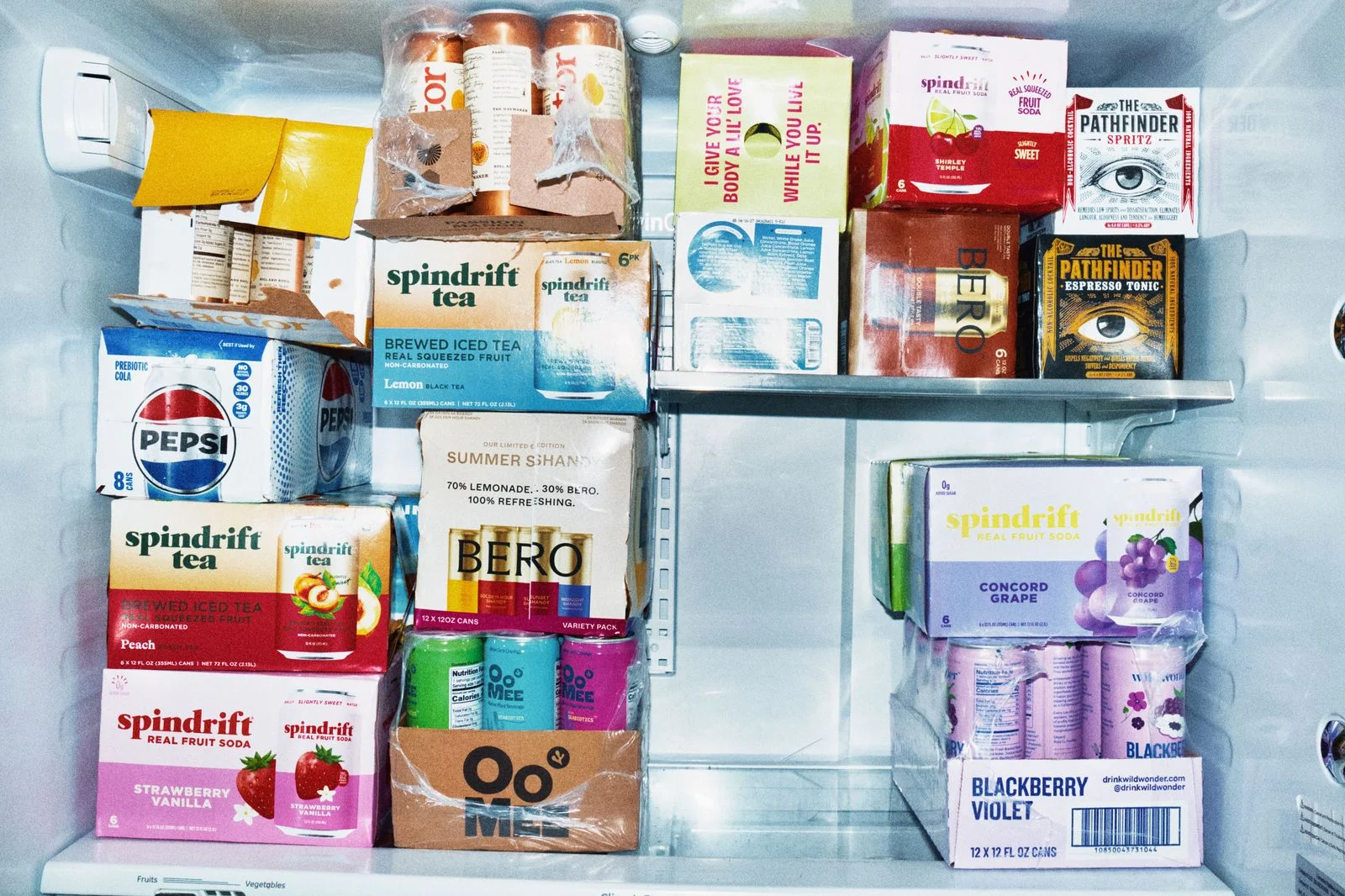
The shift in sparkling drinks isn’t simply a move away from zero sugar. Brands are making a different promise: recognizable ingredients can bring flavor on their own, with a modest amount of sweetness. That idea stood out during Bon Appétit’s first
Pantry Awards, as a new wave of lightly sweetened drinks appeared in stores and online. Some borrow from seltzer or soda; others update traditional drinks such as switchel and agua fresca. The category is broad, but the pitch is consistent: a little sugar can help make a drink taste like its ingredients.
That’s a meaningful change in how “better for you” gets sold. Griffin Owens and Marcus Klein, cofounders of Yuzuco, say shoppers once demanded no sugar, no calories and no carbs without giving up flavor. Now, Klein says, they’re paying more attention to what’s in the can. “Better for you” increasingly means ingredients people recognize, alongside a drink they actually enjoy.
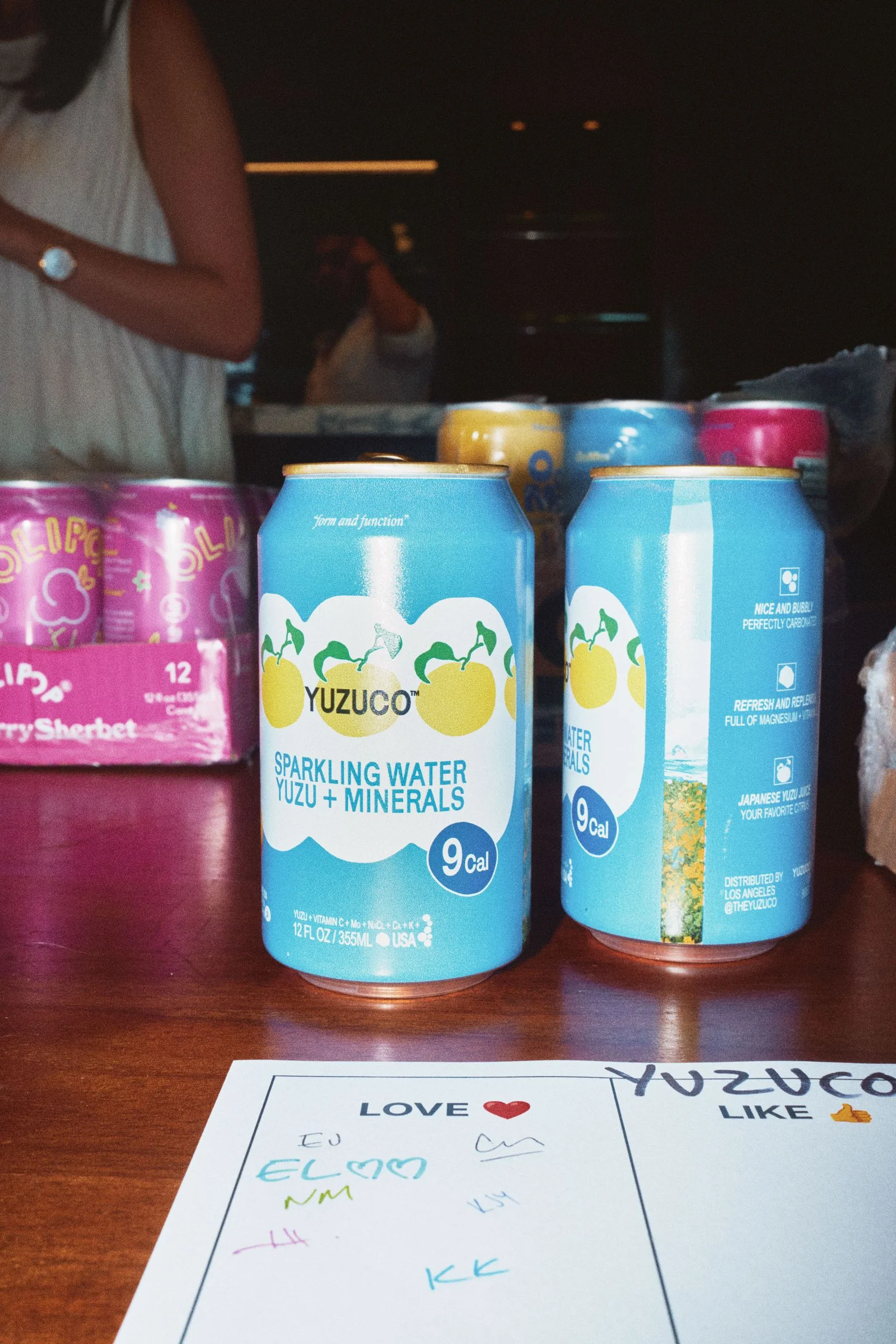
Yuzu is the centerpiece of Yuzuco’s range, including its canned sparkling yuzu drinks. The company describes the drink as a mix of water, cold-pressed yuzu juice and minerals. It has 9 calories and 1 gram of sugar, with the sugar coming from the juice. The numbers are modest; the larger bet is that tart, sweet-and-sour citrus can carry the flavor without artificial sweeteners.
Photo by Travis Rainey
Owens says Yuzuco’s consumer research points to a preference for ingredients shoppers can identify, and that some have grown tired of sweeteners such as monk fruit and stevia. Customers ask how much real yuzu juice is used, where the fruit comes from and what kind of honey goes into the drinks. Some even want to know which islands the yuzu grows on. That curiosity suggests the ingredient story itself has become part of the product.
Photo by Travis Rainey
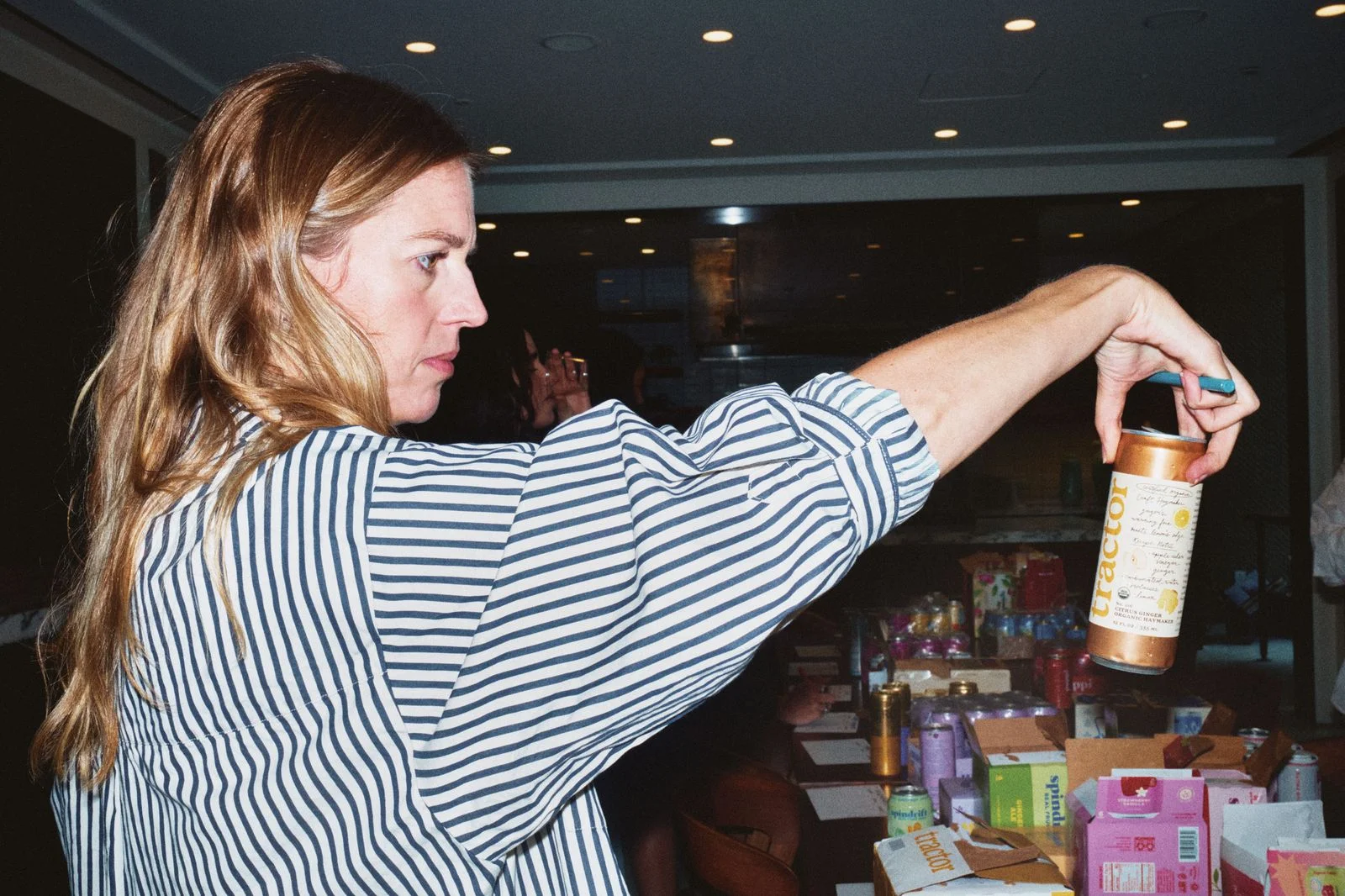
Yuzuco is one example of a wider effort to make fruit and botanicals do the flavor work. Bawi’s Agua Frescas add bubbles to the Mexican drink, using real fruit juice in passion fruit, pineapple and guava flavors. Walker Brothers’ Forest Waters uses wild-harvested pine bark, calendula and juniper leaf, sweetened with a little wildflower honey. And Tractor Beverage Co. launched Haymaker, a canned take on switchel, the centuries-old farmer’s tonic made with ginger and apple cider vinegar.
For shoppers, the change may mean more options between unsweetened fizz and conventional soda. The bigger question is whether brands can keep these drinks appealing while making their ingredient claims clear. The trend is gathering steam; the fragment offers little evidence yet about how widely consumers will embrace it.
Sweetness is back, but brands are choosing it carefully
The shift away from zero sugar doesn’t mean consumers want syrupy drinks. It means some brands think people would rather recognize what’s sweetening their drink than decipher a long ingredient label. “It’s very important for us to have what we call ‘kitchen ingredients’—ingredients you understand and know,” says Duke Stump, chief brand officer and head of product at Tractor Beverage Co.
Sugar, in that view, isn’t the problem by itself; the source and amount matter. Stump says the company looks to the way colas and sodas were made in the 1940s and ’50s, and asks how to use the cleanest organic sugar it can find. The goal, he says, isn’t necessarily zero sugar. That’s a meaningful distinction for brands trying to offer a treat without making sweetness the whole experience.
Photo by Travis Rainey
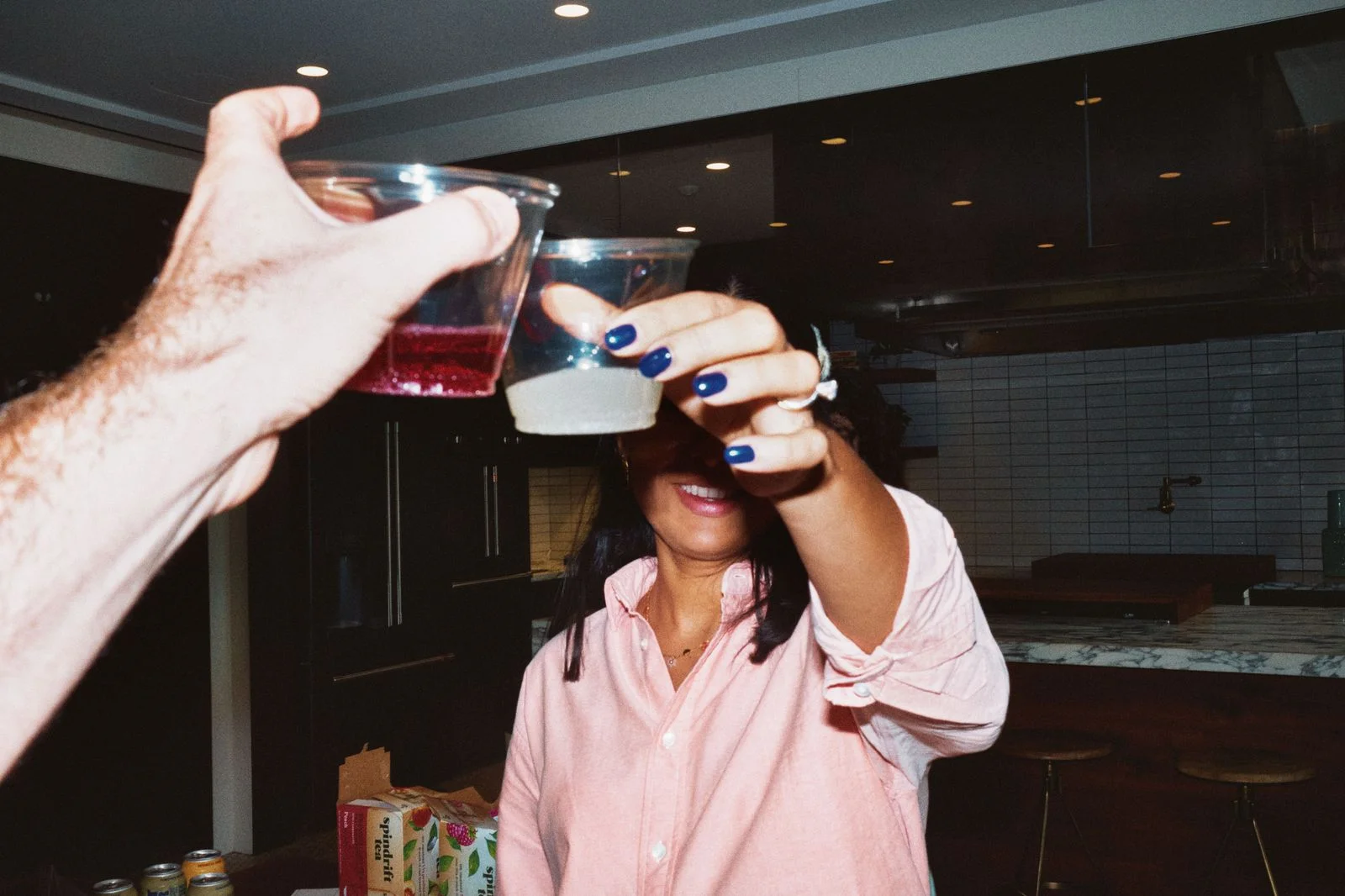
Molasses, maple syrup and fruit juice offer other ways to add sweetness while keeping flavor and calories in check. Honey can play a more specific role. “Honey does something really specific in our iced teas: It adds a sweet, floral, almost caramel-like note that balances the tartness of our citrus and fruit flavors without pushing the drink into ‘sweet’ territory,” says Sophia Spring, cofounder of sparkling iced tea brand Ooso.
Her sampling conversations point to the tension behind the trend. “One of the first questions I get when sampling Ooso is, ‘Is there any stevia in this?’ And when I say no, just a touch of honey, the relief is palpable. That reaction tells me everything about where the consumer’s head is at right now.” It’s an anecdote, not a measure of the whole market, but it captures the appeal: a little sweetness can feel reassuring when people know where it comes from.
People still want carbonation, recognizable ingredients and a refreshing treat. This new crop of sparkling drinks is betting those desires can coexist.
Photo by Travis Rainey
Shop our favorite low-sugar sparkling drinks
[Tractor Beverage Co. Haymaker — $48 for a 12-pack at Shop; $4 at Sprouts or Tractor Beverage Co.](https://drinktractor.com/haymaker/#)
A $45 case of sparkling yuzu
Yuzuco’s Sparkling Yuzu + Minerals puts a premium price on the lightly sweet sparkling drink trend: a 12-pack costs $45, whether you buy through Shop or Yuzuco’s own store. That’s a steep ask for canned drinks, and the product card gives no ingredient or nutrition details to explain what sets this version apart.
If you’re weighing the trend, the price is part of the story. A subtle sweetness may offer a middle ground between unsweetened seltzer and sugary soda, but at $3.75 a can, Yuzuco needs to make that difference feel worth paying for.
[Shop Yuzuco Sparkling Yuzu + Minerals](https://shop.app/products/10020356686146/sparkling-yuzu-minerals) · [Buy a 12-pack from Yuzuco](https://www.theyuzu.co/products/water-yuzu-ade-12oz-12pk?variant=52105913401666&selling_plan=692558037314)