
October’s strongest critical consensus spans fiction and nonfiction, with Barbara Kingsolver’s Partita leading the fiction list and Sarah Perry’s Death of an Ordinary Man topping nonfiction. The month’s selections also favor formal ambition and searching accounts of identity, grief and literary legacy. The review counts offer a useful snapshot of reception: they show where critics largely agree, while the mixed and positive assessments point to books whose effects may depend more on a reader’s taste.
Fiction: a broad range of ambition
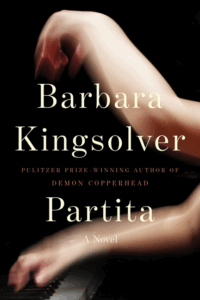
Partita by Barbara Kingsolver (Harper) drew 14 rave reviews, four positive, one mixed and one pan. Critics point to Kingsolver’s knack for incisive observations and the way the novel draws on her experience while finding new ground. That combination gives the book a tricky balance to strike: familiarity can deepen a writer’s themes, but a new work also has to earn its own shape and urgency. Read an interview with Kingsolver.
“She’s different, and we’re different too,” wrote Heather Scott Partington in The Los Angeles Times, praising the novel’s blend of recognition and discovery. That’s a concise description of the appeal suggested by the response: a book can draw on what readers recognize in an author’s work while still shifting their perspective. The numbers here are underwhelming only if you expect consensus to mean unanimity; one pan review is a reminder that even a widely admired novel can divide.
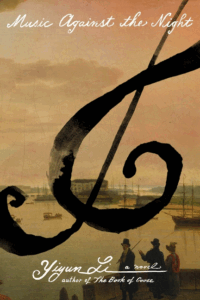
Music Against the Night by Yiyun Li (Farrar, Straus and Giroux) earned nine rave reviews, one positive and two mixed. Its intricate narrative and focus on young virtuosos impressed critics; Cory Oldweiler of The Boston Globe called it a rare, singular novel. The split between strong praise and a smaller number of mixed responses suggests a book whose formal choices may be central to both its impact and its demands on readers. Hear an interview with Li.
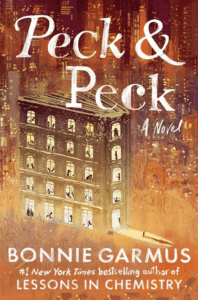
Peck & Peck by Bonnie Garmus (Scribner) received five rave, five positive and two mixed assessments. The reviews single out its humor, freewheeling imagination and playful attention to typography, alongside a pointed call to make language count. That attention to how words look as well as what they say signals a book interested in the material choices of writing, not just plot or character. Garmus discusses the novel in this interview.
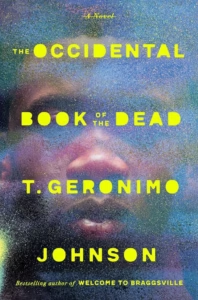
The Occidental Book of the Dead by T. Geronimo Johnson (William Morrow and Company) collected eight rave reviews. The response suggests a book that takes risks and accepts the occasional misfire as part of its reach. In The New York Times Book Review, Jason Mott praised its unapologetic ambition. Ambition alone isn’t a guarantee of success, of course, but that level of praise indicates that critics found the reach compelling. Johnson discusses the book in an interview.
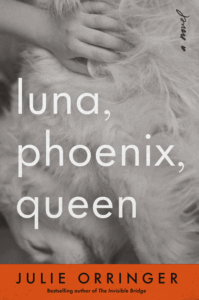
Luna, Phoenix, Queen by Julie Orringer (Knopf) drew six rave and two positive reviews. Meg Wolitzer, writing for The New York Times Book Review, highlighted its treatment of isolation and the release that comes with telling one’s own story. That emphasis connects the novel to a recurring concern across this month’s fiction: who gets to describe an experience, and what changes when a character claims that authority. A compact consensus, but a clear one.
Nonfiction: grief, attention and literary lives
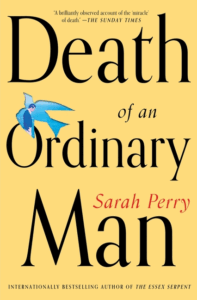
Death of an Ordinary Man by Sarah Perry (Mariner) leads the nonfiction selections, with seven rave reviews and one positive. Amy Bloom’s assessment in The New York Times Book Review emphasizes the account’s precise language and its clear-eyed attention to grief, mortality and life. The praise for precision matters: writing about loss can easily drift into general statements, while exact language keeps the reader close to the particular experience being described. Perry’s position at the top of the nonfiction list reflects critics’ strong response to that balance.

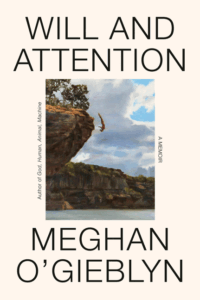
On Another Planet They Can Save Me by Lieke Marsman (Catapult) and Will and Attention: A Memoir by Meghan O’Gieblyn (Doubleday) share second place, each with six rave reviews and one positive. On Another Planet was praised by Publishers Weekly for its cathartic force and its engagement with broad human questions. O’Gieblyn’s memoir, meanwhile, drew notice from James Wood of The New Yorker for its intellectual seriousness and willingness to remain open and unresolved. They share a ranking, but the cited praise points to different strengths: one review stresses catharsis, the other a mind at work without a tidy endpoint. That distinction gives readers a better guide than the shared tally alone.
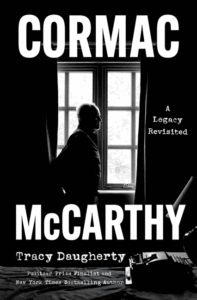
Cormac McCarthy: A Legacy Revisited by Tracy Daugherty (St. Martin’s Press) received six rave and two mixed reviews. The biography traces McCarthy’s shift from Southern to Western writing while separating the author’s work from the mythology around him. That distinction is a demanding one for literary biography: the public image can shape how readers approach the books, yet it can also obscure the choices and changes visible in the writing itself. The Wall Street Journal reviewer Bill Heavy called it engrossing and noted that it doesn’t sidestep difficult details.

Sleuth-Hound: The Case of the Real Sherlock Holmes by Lindsey Fitzharris (Farrar, Straus and Giroux) rounds out the list with four rave and four positive reviews. Fitzharris brings Dr. Joseph Bell, the model for Sherlock Holmes, back to the center of the detective’s origin story, according to Booklist. The premise connects a famous fictional figure to the real-life source credited with helping inspire him, making the book a study in how an author’s influences become part of a character’s afterlife. The publication also offers an excerpt.
What the month’s consensus tells readers
Across both lists, critics are responding to books that make form and perspective part of the subject. The fiction selections include intricate narratives, playful typography and unapologetic ambition; the nonfiction titles turn toward grief, attention and the construction of literary reputations. The shared thread isn’t a single style or topic, but a willingness to ask how stories are told and who gets to tell them.
Here’s the thing: review counts can help you find a strong starting point, but they don’t tell you which book will suit your interests. If you’re drawn to fiction that takes formal risks, the month offers several clear candidates; if you want reflective nonfiction, its range runs from intimate accounts of loss to biography and literary history. And yet. The value of a list like this is less a verdict than a map of current critical attention, with enough variation for readers to follow their own curiosity.
The month’s picks reward readers who want books with a strong point of view: from fiction willing to take formal risks to nonfiction that revisits grief, creative work and the stories behind literary reputations. A useful shortlist, and an invitation to read beyond the rankings.


