The reset is about making brands matter again
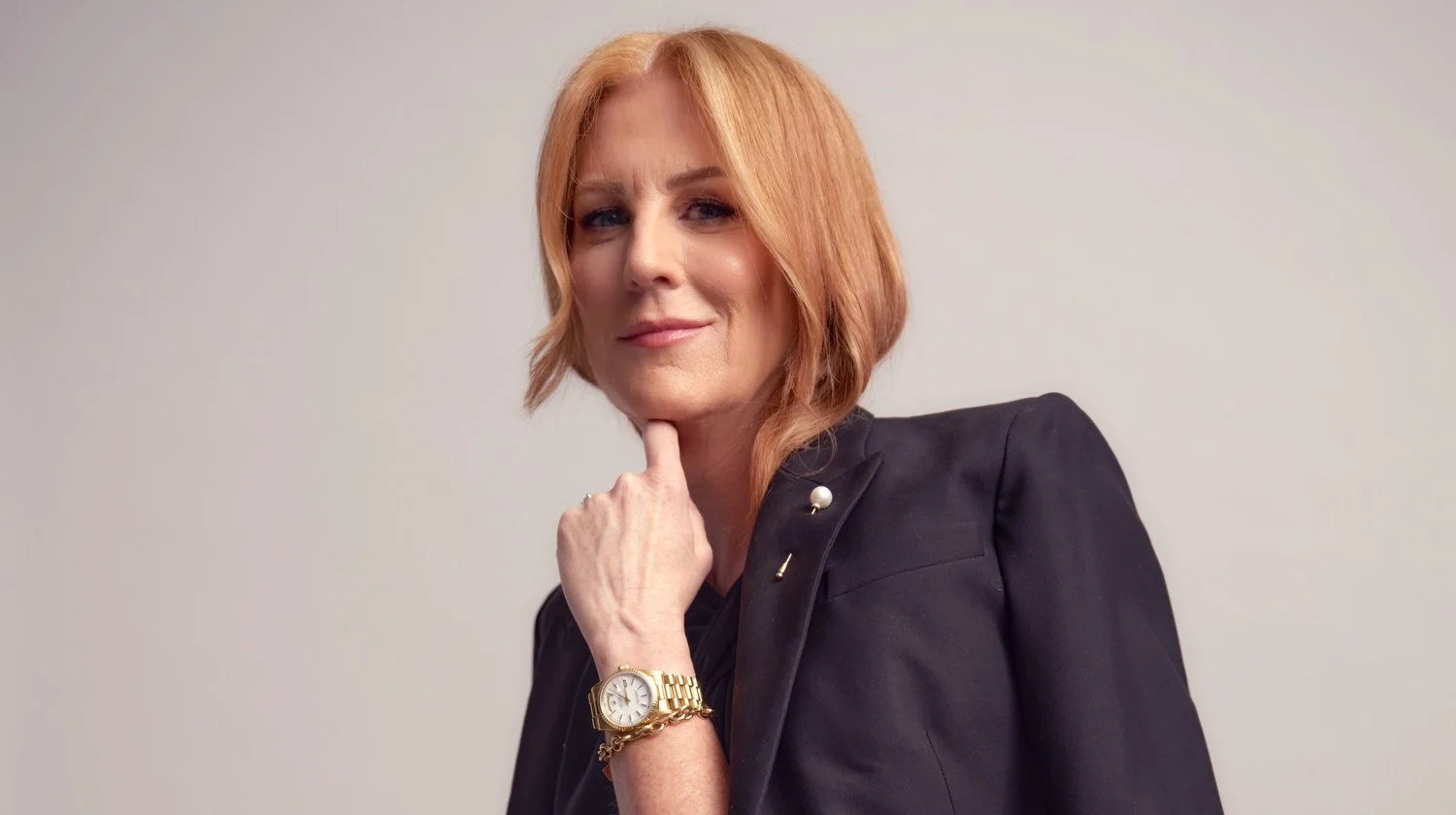
The message from the first day of the 29th WWD Apparel and Retail CEO Summit was less about a single industry fix than a test of whether brands can stay distinct while adapting. Under the banner “The Great Reset,” speakers at Cipriani South Street discussed AI, community and fandom, brand differentiation, industry uncertainty, and how to move forward without discarding a company’s heritage. The through line: growth depends on giving customers a clear reason to care.
Josh Schulman, Burberry’s chief executive, sees that tension as central to the British luxury house. He said the brand has worked best when heritage and innovation sit side by side, a balance reflected in its Regent Street flagship. With its foundation in place, he said, Burberry can add new ideas and moments of surprise while retaining a timeless identity. The ambition is to unsettle expectations without losing the brand’s familiar character.

Hillary Super offered a more operational view from Victoria’s Secret, where she became CEO a little over two years ago. During the interview process, she could see that the brands had lost some of their appeal, blurred into one another, and weren’t making full use of social media or modern marketing. The surprise after joining, she said, was finding a team of 30,000 people deeply committed to the brand and its meaning. The outside view showed problems; being inside revealed the people who might help solve them.
At Target Corp., senior vice president of fulfillment and Last Mile Daryl Glass described the first year of a new growth strategy as a push to define the retailer’s identity and its role in customers’ lives and communities. He tied that work to “merchandise authority”: trend, distinctive selection, style, design and value across owned labels, curated national brands, limited-time offers and partnerships. That’s a broad brief. The test will be whether shoppers can feel the difference in the assortment.
For Moncler, stores have helped the company grow beyond its ski apparel origins and show the breadth of the business. Executive chairman Remo Ruffini pointed to the 23,680-square-foot Fifth Avenue flagship in New York, which brings together the Moncler Collection, the Grenoble performance line and the collaborative Genius offer. Physical retail, in this telling, is both a sales channel and a way to make a multi-part brand legible.

Other speakers challenged the old gatekeepers and the usual research tools. Christian Louboutin argued that winning over fashion editors is no longer essential to building a brand; direct customer ties and strong retailer relationships have taken on more influence. Me+Em founder and CEO Clare Hornby was blunt about focus groups—“I hate focus groups, they kill ideas”—and said the company’s 21 stores provide the insight it needs to serve its four Fs: fair price-value, functional pieces, flattering silhouettes and options designed to last.
J.Crew Group CEO Libby Wadle credited customers and product with driving growth. The company, she said, has strong brands and a multigenerational audience, so the work is to build on what customers already love while meeting their needs at different points in life. Jonny Saven, CEO of L’Agence, made a related point about trust: the label has a deep connection with its customer and sees itself as a kind of beauty brand within her wardrobe, helping her feel beautiful.

Creative director Marco Balich argued that simplicity can carry weight even in high-profile settings, from luxury fashion shows to the opening ceremonies of the Olympics and FIFA World Cup. A direct idea, he said, can still make a beautiful statement; simplicity doesn’t have to mean cheapness.
Kith founder, CEO and creative director Ronnie Fieg said consumers’ idea of value has shifted beyond the product itself to include mindshare and a brand’s place in everyday life. He described value as having been “destroyed,” then connected that change to Kith’s retail expansion: 22 stores opened over 15 years, with two more planned for San Francisco and Washington, D.C., next year. The numbers show a steady physical buildout. The harder question is whether each new location earns a lasting place in customers’ routines.
WWD Recommends
Two reads from WWD point to different pressures on the fashion business: the push for more recycled cotton in denim and the search for growth amid uncertainty. Primark has joined the Denim Deal, according to Angela Velasquez’s report for SJ Denim. A separate WWD and BCG report, by Kanika Talwar, examines fashion growth and consumer behavior. The headlines are useful signposts; they don’t, on their own, tell us how much either development will change business decisions.
More from WWD
The video lineup ranges from football to fashion and business. Ferran Torres talks about the World Cup and “That Hat” in  Ferran Torres Talks World Cup and That Hat. Other features include Character Study: Classic Men’s Looks with Modern Updates and Thom Browne and Teyana Taylor: Designer and Muse.
For a business angle, Gucci Westman and David Neville discuss building a luxury beauty brand. The slate also includes Icebreakers with François Arnaud.
Sign up for WWD newsletters to get news in your inbox every day.
More WWD video
WWD’s video lineup moves from celebrity preparation to fashion history, retail and industry news. The mix is broad, but it gives you several ways into the subject: personal style, costume, store design and the business decisions behind major brands.
- Getting Ready for Marc Jacobs 2026 with Nicky Hilton — the thumbnail’s alt text refers to the 2026 WWD CEO Summit.
- 'Feud: Capote Vs. The Swans' Stars Talk Costumes and Society
- Getting Ready with Kerry Washington & Michael Kors
- Head to Toe: How to Style Outerwear for Everywhere
- A Tour of the New Hermès Madison Avenue Flagship
- Adidas Terminates Yeezy Partnership With Ye With Immediate Effect
- Louis Vuitton Launches New Exhibition in NYC


