A beauty relaunch with a trust problem to solve
Target’s new Beauty Studio puts a practical question at the center of its wider reset: Can a better shopping experience and stronger support for small brands help bring back customers who no longer feel represented by the retailer? The launch arrives as Target’s new CEO, Michael Fiddelke, pursues a merchandise overhaul after revenue declined 1.7% in fiscal 2025. Beauty is one part of that plan, alongside changes to food and other major categories.
The Beauty Studio will replace the Ulta Beauty shop-in-shop arrangement when the companies’ partnership ends in August 2026. Its assortment includes a “Global Beauty” section with brands from Mexico, Japan, South Korea and elsewhere. Target is positioning the space as a way to broaden its beauty offer and make room for emerging labels. Whether that retail proposition can also repair strained relationships with customers is less clear.
Target’s ties with some shoppers have become more complicated amid backlash over its LGBTQ+ Pride merchandise and its decision to scale back several formal diversity, equity and inclusion initiatives. In February 2026, Fiddelke described a fresh start for the company. He has also acknowledged that boycotts related to the DEI changes affected sales and that Target has “trust to win back with guests.”
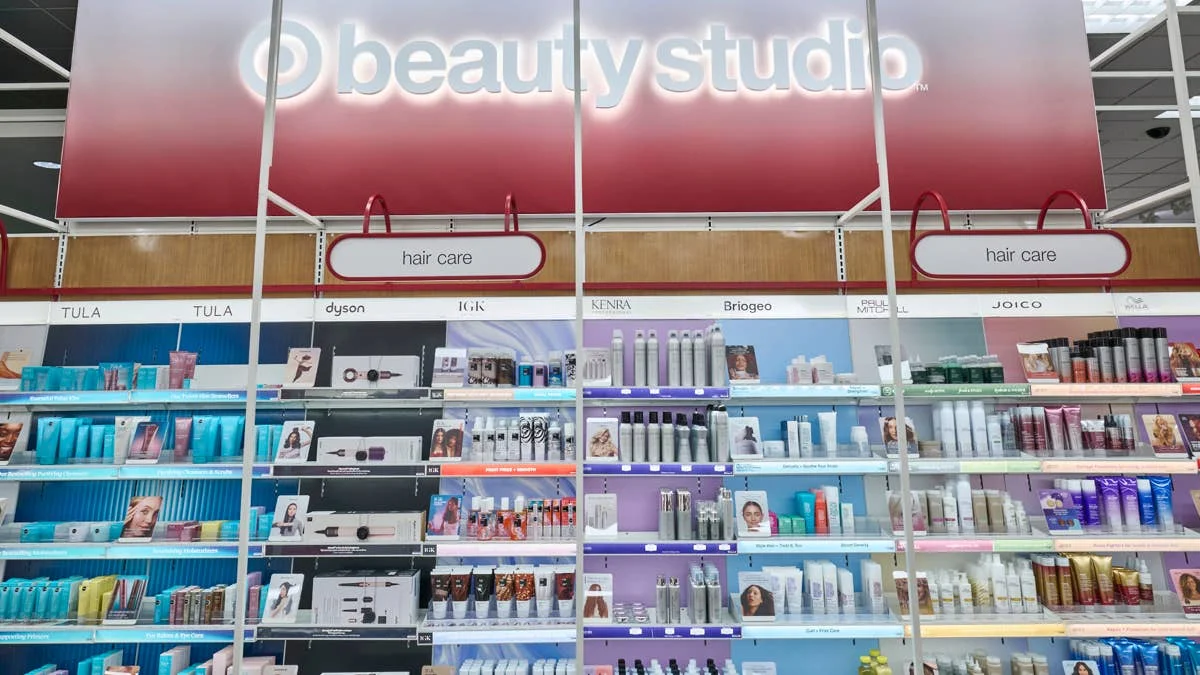
Photo: Courtesy of Target
For founders, shelf space is only the start
Glamazon founder Kim Baker says Target’s beauty team helped persuade her to join the new concept. Before choosing Target, the makeup artist met with other retailers. She says Target’s team showed an understanding of Glamazon’s products and customers, and treated her with respect as both a founder and a makeup artist.
That relationship matters because a retail launch brings costs beyond production and setting up a display. “Getting on the shelf is exciting, but there are real costs beyond making the products and setting up the display,” Baker says. For an emerging company, she adds, success depends on having a team that wants the brand to grow after launch.
Baker says Target’s leadership has been accessible during the process, offering a point of contact for advice and discussion. She also says the company has suggested marketing opportunities for Glamazon and ways to feature her as its founder. Those details offer a more specific measure of retailer support than shelf placement alone: visibility, guidance and continued communication can all affect whether a small brand is equipped to build on an initial listing.
She remains concerned about the effects of Target’s retreat from formal DEI initiatives. “DEI initiatives play an important role in opening doors,” Baker says. At the same time, she argues that retailers can support founders of color through programs with different names, as long as those efforts keep creating access, invest in brands and help them grow. The test, in her view, is whether the commitment shows up in action.
Amanda Nusz, Target’s senior vice president of merchandising for essentials and beauty, describes support for small brands as a series of stages. The Target Foundation and philanthropic work support very early-stage businesses, she says; an accelerators team provides onboarding, mentorship and programming at the next stage; merchants then work with companies ranging from small brands to large ones.
Asked about the DEI changes, Nusz points to Target’s aim of building an assortment that reflects the communities it serves. She names Sarelly, a brand from Mexico, and Korean beauty labels among the participants, adding that the range is expected to expand. That account outlines the company’s stated approach; the longer-term question is how consistently it creates room for brands and sustains support once they are on shelves.
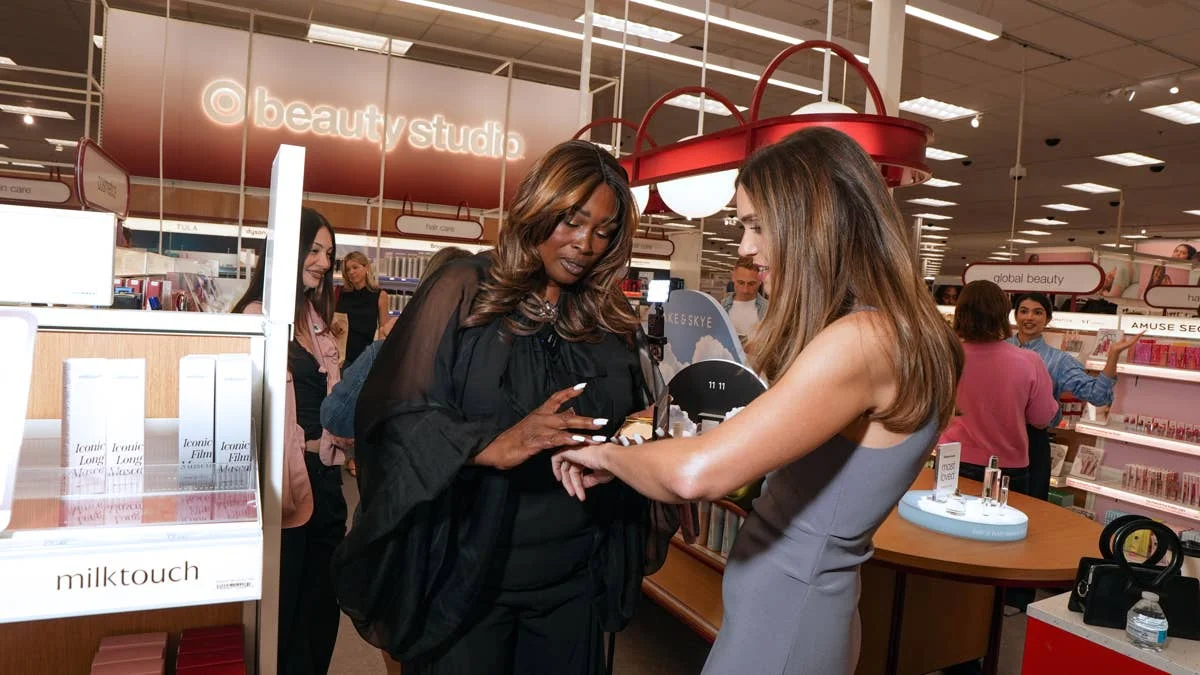
Photo: Courtesy of Presley Ann/Getty Images for Target
Past decisions still shape the reception
Positive accounts from current participants sit alongside a less encouraging record for some businesses. Black-owned brands including Alikay Naturals, Oyin Handmade and Curls Dynasty have left Target shelves or shut down, according to Modern Retail. Those outcomes sharpen the distinction between welcoming a brand at launch and helping it remain viable over time.
April Showers, founder and CEO of Afro Unicorn, says leaving Target cost her business six figures. The brand joined the retailer in 2022 with products including hair care and books made for women of color. When boycotts began in early February 2025, Showers chose to respond to her community by stopping marketing for Afro Unicorn at Target. She says sales then fell, and she discounted products so they would be cleared from shelves by the end of 2025.
For Showers, the reaction reflected a sense that Target had previously presented itself as part of the community. She says the retailer’s silence around its DEI changes angered customers who had seen its Black History Month displays and involvement with community events as evidence of support. “They felt like Target basically just played in their face,” she says.
Afro Unicorn remains available at Walmart, which also scaled back DEI efforts. Showers says her customers had different expectations of the two retailers: In her view, support for Black-owned brands had been part of Target’s appeal, while it was not a selling point for Walmart. She no longer shops at Target herself, but encourages people in her audience who do to buy Black-founded brands, including Glamazon.
Retail terms can determine who gets to grow
Alleyoop founder and CEO Leila Kashani Manshoory says the terms offered by Target made joining the Beauty Studio an easy decision. She says other large retailers sought steep slotting fees, substantial marketing commitments or exclusivity. Even with an established community and products that had sold out with waitlists of 20,000 people, she says those terms would have required a major fundraise or a risky bet on the company.
Manshoory says Target has provided product testers, store training and candid feedback. She also says the company involved Alleyoop in display design, giving the brand room to present itself in a way that felt authentic. Her description suggests the partnership can shape the in-store experience as well as the economics of getting into a major retailer.
The measure will be what happens after launch
Beauty Studio gives Target a fresh way to present beauty brands and gives participating founders access to retail support they say can be hard to secure elsewhere. But the program’s success will depend on more than the opening assortment or launch marketing. For shoppers whose trust has weakened, the company’s actions over time will matter; for founders, the question is whether the help continues after the first display goes up.
Target’s declining revenue gives Fiddelke a clear business reason to make the merchandise experience more compelling. The Beauty Studio may help on that front, while its treatment of small and diverse brands will also influence how customers read the retailer’s wider commitments. The durable signal will be whether those brands can build a lasting presence and whether shoppers see a reason to return.