What Is Mirin? And What to Use If You Can’t Find Any
Mirin’s real contribution to a dish is more than sweetness. This Japanese rice wine can bring aroma, depth, and a glossy finish to sauces and glazes—but the bottle labeled “mirin” at your supermarket may not be the same thing cooks mean by the traditional version.

You may already know its flavor from Japanese cooking, where mirin joins miso, soy sauce, dashi, and rice vinegar as a kitchen staple. Cooks add it to stocks, stews, marinades, and sauces; in teriyaki, it helps create the dish’s characteristic shine.
Sonoko Sakai, author of Japanese Home Cooking, describes mirin’s effect as koku: “Koku is like umami, but it gives not just flavor but aroma; you feel it with your palate, and it gives depth.” That’s a more useful way to think about it than simply calling it a sweetener.
Here’s the catch: the kind you buy matters. Traditional hon mirin, or “true” mirin, can be expensive and difficult to find in the US, while many supermarket bottles won’t offer the same depth Sakai describes. The difference starts with how it’s made—and helps explain when seeking out hon mirin is worthwhile and what to reach for when it isn’t available.
What exactly is mirin?
Hon mirin traditionally uses three ingredients: glutinous rice, koji, and shochu, a Japanese distilled spirit often made from rice. Enzymes convert the rice starches into sugars, mostly glucose, explains Hiroko Shimbo, author of The Japanese Kitchen. That process gives the drink its sweetness without added sugar.
The sweetness is gentler than a spoonful of table sugar. Shimbo calls it “elegant” and says glucose is about 70% as sweet as sucrose, the sugar commonly used in cooking. Sakai also says mirin has a lower glycemic index than many other sweeteners.
Alcohol matters, too. Hon mirin is about 14% alcohol by volume, roughly comparable to some sakes and most grape wines, though it’s generally used as an ingredient rather than poured as a drink. One exception is o-toso, a traditional spiced mirin-based New Year’s drink.
In a dish, alcohol can help firm proteins and retain moisture. “Alcohol denatures proteins,” Shimbo says. “It helps them firm up slightly—it’s also hygroscopic, so it helps to retain moisture.” The result, she says, is food that’s tender and juicy, with mirin’s sweet umami in the mix.
If you’re looking for hon mirin, Sakai recommends Fukuraijun; Shimbo’s pick is Mikawa hon mirin from Sumiya Bunjiro Brewery. The Fukuraijun bottle featured here is listed at $28 for 16.9 fluid ounces from Japanese Taste.
Fukuraijun Hon Mirin Artisanal Sweet Rice Seasoning, 16.9 fl oz — Japanese Taste, $28.
Here, the practical distinction matters more than the label: hon mirin has depth from fermentation, while aji-mirin is a cheaper, sweeter shortcut. Most American home cooks are more likely to have the latter. Aji-mirin—literally “tastes like mirin”—is commonly made with glucose or corn syrup, water, rice, salt, and alcohol, rather than through hon mirin’s lengthy traditional process. Alcohol levels vary by brand; Kikkoman’s aji-mirin, for instance, contains about 8% alcohol.
Shimbo and Sakai steer clear of aji-mirin because its sweetness is more forceful and its flavor less layered. Shimbo also points out that lower alcohol can change how it behaves in a recipe. Still, that gap doesn’t make aji-mirin useless. J. Kenji López-Alt, author of The Food Lab, says natural fermentation creates aroma-building byproducts that hon mirin has and aji-mirin lacks. But mirin is often a small part of a dish, cooked with stronger flavors. He uses naturally brewed mirin when available, yet says aji-mirin works fine—even if you can taste the difference.
How mirin differs from sake and rice vinegar
Mirin and sake are both rice wines used in Japanese cooking, but their production gives them very different profiles. Hon mirin combines mochi gome (sweet or glutinous rice) with shochu. The spirit creates an alcohol-rich environment in which koji enzymes turn rice starch into sugars. Sake instead uses sakamai (sake rice) and yeast to convert sugars into alcohol, so it’s much less sweet. It’s also made for drinking, which means a broader range of styles and flavors—some too distinctive to spend on a cooking pot.
Rice vinegar shares rice as its source, but little else with mirin. Mirin is sweet, syrupy, alcoholic, and savory; rice vinegar is tart and acidic, with little natural sweetness. Shimbo, Sakai, and López-Alt all reject the tempting shortcut of mixing vinegar and sugar: the acidity would overwhelm mirin’s rounded sweetness. Save rice vinegar for when a dish needs tang.
What’s the best substitute for mirin?
Sake plus a sweetener is the closest stand-in, according to López-Alt, Shimbo, and Sakai. It won’t reproduce hon mirin’s full complexity, but sake has more in common with it than most pantry alternatives. Any sake will work; Shimbo suggests keeping a large bottle of seishu, or clear sake, for cooking. Skip bottles marked “cooking sake,” which may have added salt and disrupt a dish’s seasoning.
López-Alt’s usual ratio is two parts sake to one part sugar by volume. Shimbo favors brown rice syrup, which she says comes closer to hon mirin’s sweetness; Shimbo and Sakai also recommend maple syrup.
No sake or aji-mirin? Dry white wine or dry sherry, each paired with a sweetener, can fill in, though neither is a close match. López-Alt finds white wine the nearer option, but its flavor can noticeably alter the dish. And because recipes often call for sake alongside mirin, replacing the mirin may mean finding a substitute for both.
Is there a nonalcoholic substitute for mirin?
No alcohol-free mirin-style seasoning was a clear expert favorite, and the products can behave differently in recipes. Some contain less alcohol than hon mirin; others contain none. Check the label: Aji-mirin may contain alcohol, and shio mirin, despite its name, isn’t automatically alcohol-free. Cooking can lower the alcohol content without removing all of it, so if you need to avoid alcohol, pick a product labeled alcohol-free.
Salt is another label detail that can affect a dish. Some mirin-style seasonings contain added salt, which may mean cutting back on soy sauce or other salty ingredients.
How should you store mirin?
Hon mirin keeps well in a tightly sealed bottle in a cool, dark cupboard. Its sugar and alcohol help it stay shelf-stable, while refrigeration can cause the sugars to crystallize. Aji-mirin and other seasoning products vary, so follow the label’s instructions once opened.
How to use mirin
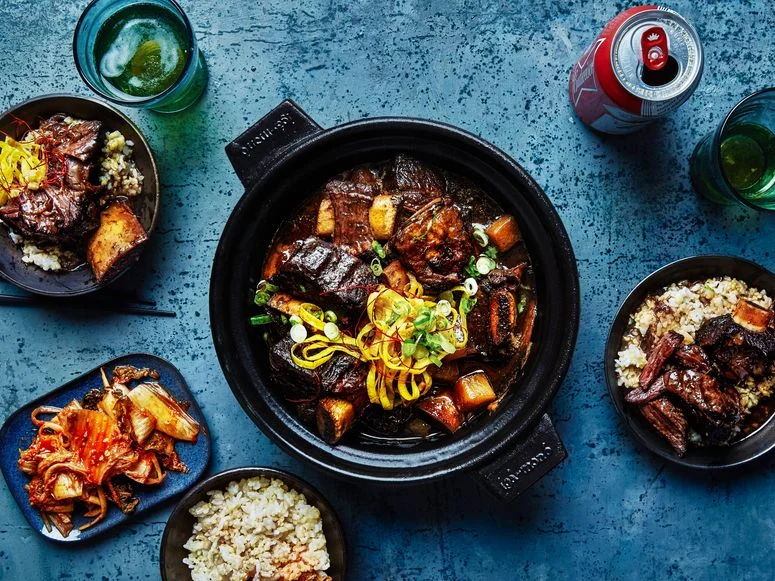
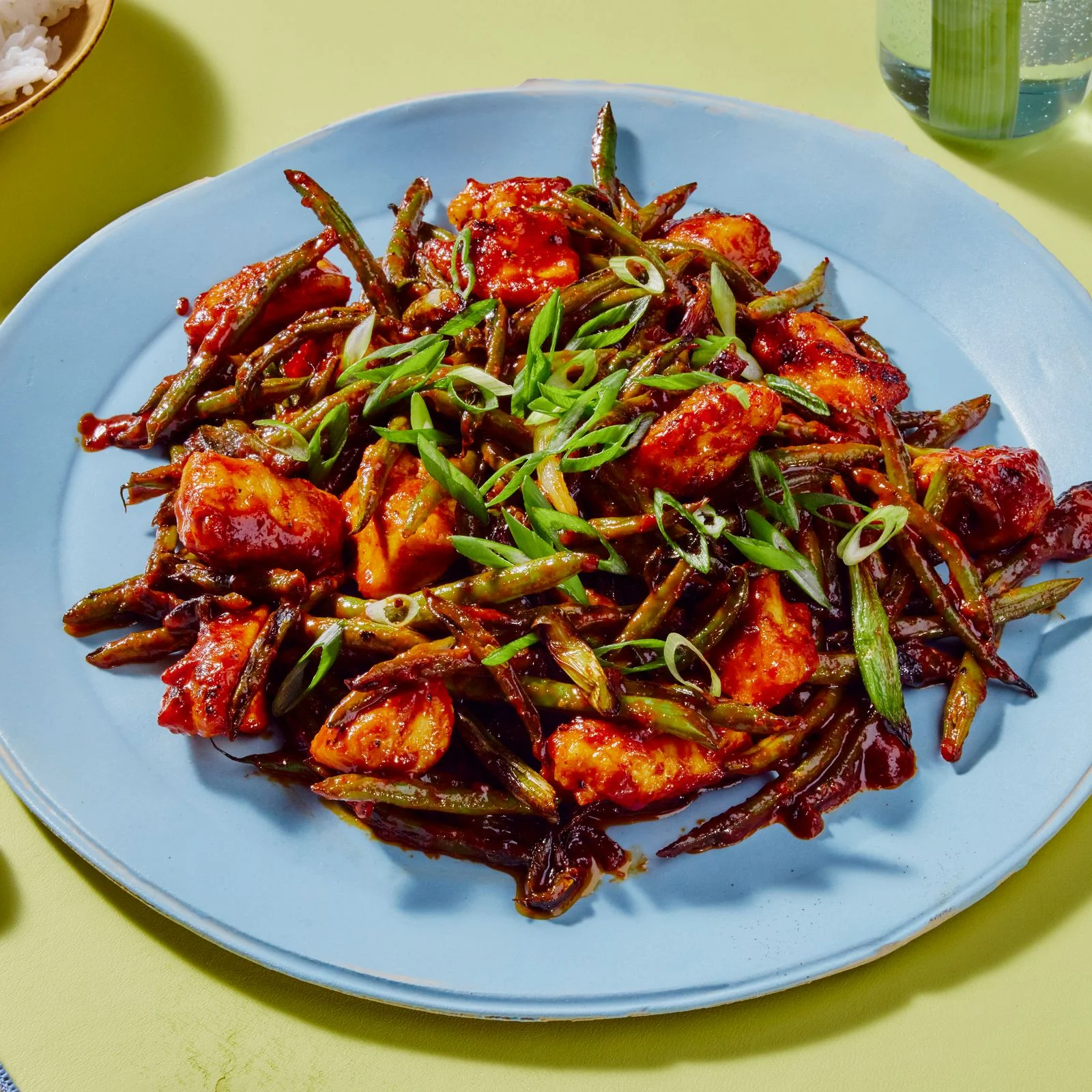
Mirin earns its place through balance: it adds sweetness and helps build a glossy sauce. Pair it with soy sauce and sake for a ramen tare, or reduce it into teriyaki sauce for salmon, steak, or vegetables.
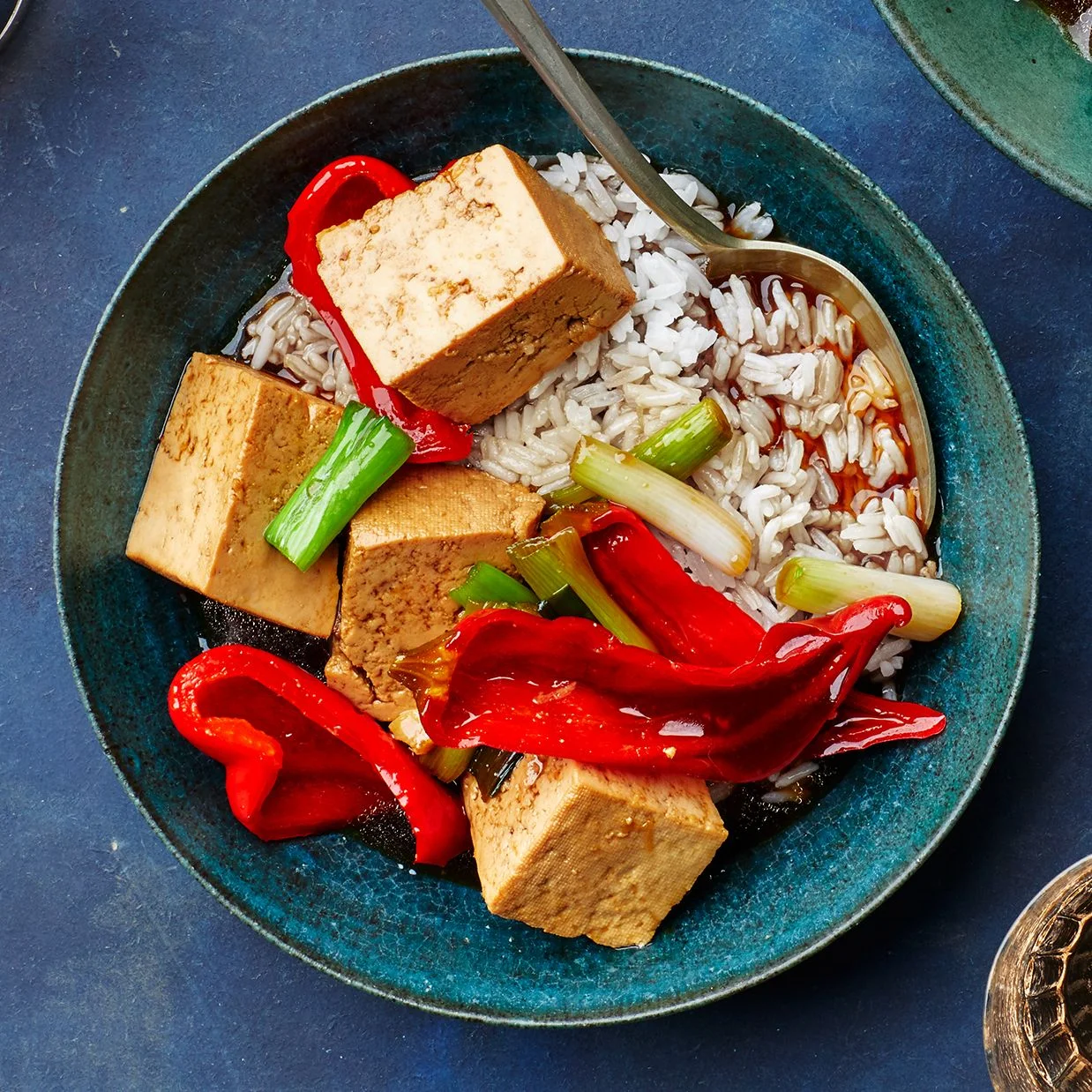
Its range goes well beyond teriyaki. Use it in quick dishes such as stir-fried udon with pork and soboro don, or add it to braises, soups, and marinades. Its gentle sweetness suits fish and tofu, as in brothy steamed bass, and can temper the tang of miso-turmeric dressing. You can also reach for mirin where you might use table sugar. As Shimbo puts it, “When you use real mirin, there are many good effects.”