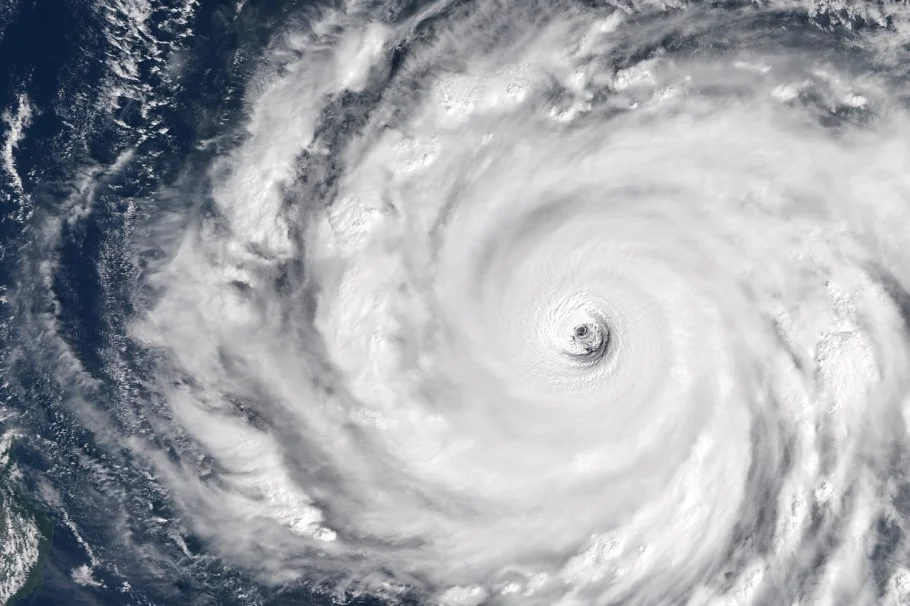
China’s port recovery now faces a fresh test: Typhoon Champi is bringing potential interruptions to vessel movements just as waiting times at Shanghai and Ningbo had begun to ease. Ferry services were suspended and maritime emergency measures put in place across Shanghai and Fujian and Zhejiang provinces on Friday. Major container terminals, including those at Shanghai and Ningbo-Zhoushan, had not reported closures.
The distinction matters. The immediate threat appears to be pauses in pilotage and port access, rather than a confirmed halt to container handling. But even a brief interruption can add days to schedules when terminals are already operating under pressure.
Waiting times were falling before the storm
Maersk told customers earlier in the week that conditions at Chinese ports had improved, with vessel queues continuing to shrink after earlier typhoon disruptions. Linerlytica’s figures show the number of TEUs waiting to berth at ports worldwide has fallen from more than 4 million in early September to 3.36 million, equal to 9.7 percent of the global fleet.
The improvement doesn’t mean the system has returned to normal. Maersk said strong export demand was still straining congested ports, and warned that some trade lanes would continue to see intermittent delays as schedules recovered.
Drewry’s latest figures show the recent gains at China’s busiest gateways. Average vessel waiting time at Shanghai fell from 58 hours to 38 hours week over week, while Ningbo’s average dropped from 40 hours to 34. Drewry attributed part of the improvement to Golden Week, when reduced cargo volumes and blank sailings gave ports room to clear backlogs and improve schedule reliability.
Those averages mask significant differences between terminals. Seko Logistics reported Friday that ships at Shanghai’s Waigaoqiao terminal were waiting between one and two-and-a-half days. At Yangshan, idling times ranged from about four days at one terminal grouping to six or seven days at others. Ningbo-Zhoushan’s yard density had returned to normal after Golden Week, but vessel waits across its terminals still stood at one-and-a-half to three days.
Access suspensions could extend the disruption
As of 11 a.m. Thursday, terminals at Ningbo, Yangshan and Waigaoqiao were operating, along with yards, warehouses and trucking, according to Kuehne+Nagel, citing Lloyd’s List Intelligence. Seko nevertheless expected temporary gate suspensions and pilotage stops at Ningbo, Shanghai, Xiamen and Fuzhou from Friday night through Monday. Yangshan could also see intermittent pilotage suspensions during that period.
Typhoon-related interruptions would hit a network still carrying the effects of earlier congestion. Sea-Intelligence’s August data, released Sept. 30, put schedule reliability at 23.9 percent for China, 12.2 percent for Shanghai and 16.9 percent for Ningbo. The firm calculated that late vessels in Asia were delayed by an average of 7.28 days.
Sea-Intelligence had estimated that accumulated congestion could take seven to 10 months to unwind to the relatively calm conditions of mid-2025. A return to conditions at the end of 2025 could take six to eight months. Dimerco’s October Asia Pacific Freight Report, meanwhile, expected Shanghai to remain heavily congested into mid-to-late October, with berthing waits above five days and on-time performance at 21 percent.
A short pause can take longer to clear
Drewry’s analysis helps explain why a storm’s operational footprint may persist after conditions improve. A terminal running at 90 percent berth utilization may need about a week to recover from a one-day disruption. At 75 percent utilization, the estimated recovery is two days.
“The difference between those two operating points, in normal years, could be the difference between a competitive and an uncompetitive return on capital,” Drewry said. “In a shock year, it is the difference between a manageable event and one that puts cargo on the water for an extra fortnight or more.”
Taiwan adds another pressure point: Champi halted work and customs operations across the island on Friday. Seko advised shippers moving cargo through Taiwan, Xiamen, Fuzhou, Ningbo, Shanghai and southwestern Japan to expect air cargo rollovers, vessel delays, and customs and trucking backlogs early the following week.
The next port waiting-time readings will show whether October’s gains held through the expected suspension window. For shippers, the key signal is whether vessel access resumes quickly enough to keep lower queue times from turning into another round of schedule disruption.


