
Clayface arrives in theaters this weekend with an unusual assignment: make a DC movie work as body horror. It’s the third theatrical release in the DC Universe, after Superman and Supergirl, but the early reviews suggest its independence from the wider franchise may be one of its strengths. Tom Rhys Harries stars as the title character in a Halloween-season horror story that critics describe as distinctive and sometimes effective, though uneven writing and visual effects could leave much of the audience cold.
 75%
 0%
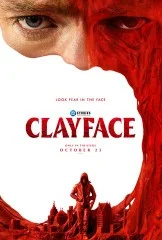
The critical split is already apparent. Some reviewers see a confident, low-key horror film that knows its B-movie roots; others see a promising premise weakened by clunky dialogue, familiar plotting, or effects that don’t land. The 75% Tomatometer and 0% Popcornmeter shown here capture the early divide, though the audience score may change as more viewers weigh in.
Does it earn a place in the DC Universe?
For some critics, the film’s refusal to behave like a typical superhero installment is the point. Guy Lodge of Variety calls it an overachiever that stays true to its “spiritual B-movie station,” while Frank Scheck at The Hollywood Reporter sees one of the year’s major surprises. Amelia Emberwing of Pickety Witch argues that the movie’s clear sense of identity should appeal to fans.
That confidence doesn’t convince everyone. Josh Wilding at ComicBookMovie.com says it adds little to the DCU, while Courtney Howard of Fresh Fiction finds it merely decent. Joshua Mbonu of Geek Vibes Nation puts it above Sony’s run of villain-led films, but Kate Erbland at IndieWire says its fresh approach can still leave the story more baffling than compelling. Spencer Perry at ComicBook.com lands on a familiar frustration: the movie could have been better.

Does the character get the adaptation he deserves?
Reviewers disagree about whether the film captures Clayface’s appeal. Swara Salih at But Why Tho? praises its sincere approach to the comics and to the character as portrayed in Batman: The Animated Series, likening it to Superman as a model for adapting beloved source material. Yet Cody Dericks of Awards Watch says the main showcase for Clayface’s powers—a mob-run nightclub sequence—is over almost as soon as it begins. Wilding is less impressed: he argues that the brief glimpse of “classic Clayface” doesn’t justify the wait, especially when Matt’s face remains visible.
A horror movie with familiar echoes
The comparisons point toward a film drawing from several corners of horror. Lodge connects it to ’90s genre movies such as Darkman and Thinner; Howard sees nods to Hitchcock and classic noir in its shadowy staircases and rain-soaked alleys. Scheck compares its psychological weight to the work of body-horror directors David Cronenberg and Sam Raimi, while Brian Tallerico at RogerEbert.com specifically likens its doomed romance and melting bodies to Cronenberg’s The Fly. Dericks says its emphasis on shock puts it closer to The Substance than Superman. Wilding offers the bluntest shorthand: it’s Morbius, only a little better.

Standalone by design, but at what cost?
Clayface seems deliberately contained. Lodge calls it a tonally distinct, genre-mixing body-horror ride, and Dericks welcomes its small scale as a change of pace for a genre short on variety. Karina Adelgaard of Heaven of Horror notes that the film nods toward other DC heroes and villains without naming them.
That self-containment has a downside. Perry argues that the movie feels more disposable because it offers little sense of how it connects to the larger DC story. It’s a useful trade-off to watch: the film may gain room to be its own odd little horror picture, while giving franchise-minded viewers fewer reasons to see it as a meaningful chapter.
Who’s likely to enjoy it?
The early consensus points to a narrow but clear audience: Gotham devotees, horror fans, and viewers who can handle gore. Salih sees appeal for both Gotham and horror fans; Adelgaard recommends it to those who enjoy practical effects alongside CGI, while warning that squeamish viewers may struggle. Wilding expects the strongest response from B-movie horror fans, and Lodge says the film isn’t chasing mass appeal. Emberwing goes further, calling that refusal its greatest strength.
That stance makes the movie’s rough edges easier to understand, though not necessarily easier to forgive. If you want a broad DC adventure, this may be a strange fit. If you’re after a messy, deliberately unpleasant horror detour, its limited appeal could be part of the attraction.

How far does the body horror go?
On the gore, praise is plentiful—but not unanimous. Lodge applauds the prosthetics and grotesque, melting transformations, while Chalice Williams at Black Girl Nerds describes intense, bloody scenes likely to make viewers cover their faces. Howard praises the film for embracing gore and bleakness, and Emberwing says it succeeds at making even seasoned horror viewers recoil.
Dericks points to a late moment of violence as especially inventive. Matt Donato at Daily Dead finds the film more unnerving than outright scary, but still unusually graphic for a comic-book movie. Mbonu calls it an adequate first step into body horror for younger viewers. Wilding, however, says mediocre effects blunt the horror and leave the body transformations short of their mark.
A screenplay that divides critics
The script draws the same split. Lodge finds it sharper than most genre fare; Adelgaard calls the origin story one of the best, and Emberwing says nearly everything works on the page. Scheck praises how the screenplay tracks Matt’s physical and emotional decline as anger and revenge push him toward madness.
Others see a less polished film. Chris La Vigna of CBR describes the script as uneven, while Wilding criticizes its wooden dialogue and predictable story beats. That tension may explain why reviewers can admire the film’s premise and tone yet still come away frustrated by the execution.

How is Tom Rhys Harries’ performance as Clayface?
Harries gives the film a center
The clearest point of agreement among Clayface’s critics is Tom Rhys Harries. Josh Wilding at ComicBookMovie.com calls him a standout; Spencer Perry at ComicBook.com praises the emotional and physical demands he handles in the lead role. Karina Adelgaard at Heaven of Horror is just as enthusiastic, while Guy Lodge at Variety sees both an appealing screen presence and an anguished hunger in Harries’ performance. That praise matters because the film’s effects-heavy transformation could easily bury its central character. Kate Erbland at IndieWire says Harries finds real pathos beneath the makeup and visual effects. Matt Donato at Daily Dead makes the case for him as both a protagonist audiences can care about and a villain they can fear. That’s a strong foundation for a character DC may want to bring back.Ackie adds warmth; Gotham feels absent
Naomi Ackie also earns broad praise. Robert Kojder at Flickering Myth finds her character the film’s most compelling source of inner and ethical conflict. David Gonzalez at The Cinematic Reel says Ackie’s dry humor gives the grim story room to breathe, and Britany Murphy at Muses of Media calls Dr. Corr its emotional heart. Josh Wilding also singles out Gavin and Stacey star Rob Brydon for a couple of memorable scenes.