Whatnot’s latest shopping data suggests buyers are looking for more personality in fashion and beauty: rhinestone-heavy Y2K styles, vintage Coach bags, quality materials and layered fragrance collections are gaining ground. The livestream platform’s 2027 Consumer Trends Report, based on 2026 activity, offers a view into what its shoppers may want next. It’s a forecast built from activity on one marketplace, so it captures the tastes and buying habits of Whatnot’s audience rather than a definitive read on the entire retail market. Still, the shifts are useful to watch: search and sales behavior can show what shoppers are willing to pursue before a trend becomes broadly visible.
The scale behind those signals is notable. Whatnot estimates the livestream shopping market at $22 billion across North America and Europe, and says it has captured almost 60% market share since launching in 2020. Fashion now generates more orders on the platform than any other category. Those claims put the report in a broader commercial context: Whatnot isn’t simply cataloging aesthetic preferences, but describing activity on a platform where live presentation and direct interaction shape how products are discovered. That format may reward items with a story, visible details or recognizable branding.
Fashion moves between McBling and material quality
The Y2K revival is picking up extra shine. Whatnot expects “McBling”—the early-2000s mix of rhinestones and bright colors—to figure prominently in 2027. Searches for baguette bags rose 320% in 2026, while searches for rhinestones, low-rise styles and tracksuits each increased about 160%. The Louis Vuitton Speedy also ranked among the platform’s top-selling bag styles. These figures point to renewed interest in recognizable silhouettes and conspicuous decoration, rather than a single look taking over. The appeal may lie in how easily such pieces signal a particular era, even when worn alongside newer or more restrained items.
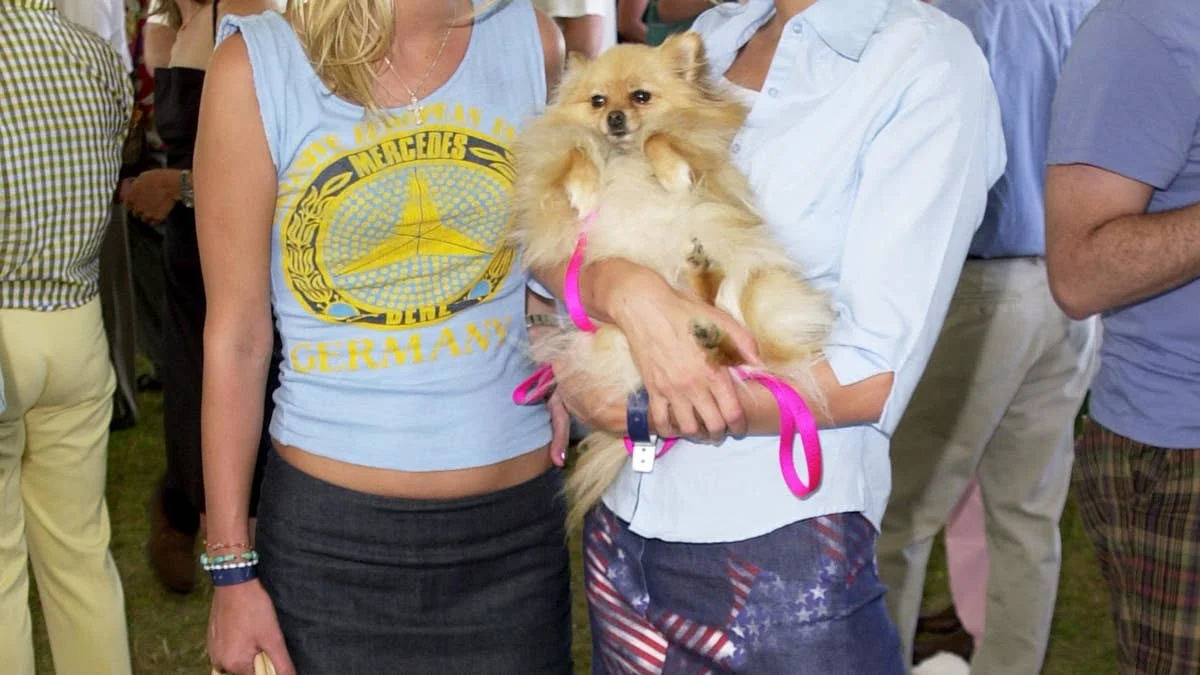
Photo: J. Vespa/WireImage
Vintage bags remain another clear draw, with Coach leading the category on Whatnot. The brand appeared in nearly half of all vintage bag show titles in 2026 and was mentioned about nine times as often as the next-most-mentioned label, Dooney & Bourke. Louis Vuitton, Gucci, Chanel and Hermès also remained among the platform’s most-searched names. That concentration suggests brand recognition is doing real work in secondhand shopping: familiar labels can give buyers an immediate point of reference when condition, age and provenance vary from item to item. Coach’s lead is particularly striking, though show-title mentions measure sellers’ framing as well as buyers’ demand.
At the same time, buyers are paying more attention to fabric and construction. Searches for cashmere rose 140% and silk rose 100%. Searches also climbed for heritage luxury names associated with craftsmanship: Brioni increased 350%, Zegna 340%, Brunello Cucinelli 220% and Loro Piana 130%. Whatnot expects natural fibers, leather and material quality to weigh more heavily in purchase decisions next year. This doesn’t mean shoppers have abandoned visual novelty; it points to a parallel interest in pieces whose value is tied to how they’re made and how they feel to wear. That combination could make resale especially relevant, where shoppers can compare distinctive design with perceived longevity.
Classic Americana is getting a more mixed treatment. Whatnot describes the direction as heritage sportswear paired with luxurious textures, Western references and “country-club-meets-ranch” dressing. Searches for tweed rose 120%, while Western-style searches grew 100%. The pairing matters: it suggests buyers are combining codes that once belonged to separate wardrobes, using texture and accessories to soften or sharpen a look. A tweed piece can read formal; a Western reference can pull it somewhere more casual. Here’s the thing: the report’s evidence is about interest on Whatnot, but the styling direction it describes depends on shoppers making those combinations themselves.
Skirts could have a stronger year, too. Whatnot links their rising appeal to signals including Prada’s Spring 2027 runway; searches for skirts climbed 93%. Floral brooches, silk scarves and oversized sunglasses also featured among the trends gaining attention. These accessories offer a lower-commitment way to try a new styling direction, while a skirt can anchor a more visible change in silhouette. The report doesn’t establish that runway attention caused the search increase, but it does place both signals in the same emerging conversation about expressive, referential dressing.

Photo: Courtesy of Whatnot
Beauty buyers favor fragrance and expressive makeup
Beauty orders on Whatnot nearly tripled in 2026. Fragrance is a major part of that growth: About 18 items sell each minute on average, and 72% of fragrance buyers returned for another purchase. Kayali, Tom Ford and Maison Francis Kurkdjian led fragrance searches. Searches and orders for Dubai perfumes tripled, while vanilla remained a favorite gourmand note. Interest in peony rose 460%, and woody scents climbed 230%. Repeat buying is the more telling signal here: scent can be personal and difficult to evaluate through a screen, yet many customers came back to shop again. The breadth of notes also suggests that the category’s appeal isn’t confined to one signature profile. A crowded shelf of preferences.
Skin care remains strongly shaped by K-beauty, which accounted for more than 80% of Whatnot’s skin-care orders in 2026. Anti-aging products ranked among buyers’ top interests, with orders roughly quadrupling. Searches for glass-like, glowing skin also remained prominent. Those signals connect product concerns with a desired finish: shoppers are looking both for treatments and for the visible effect they hope to achieve. The share attributed to K-beauty is unusually concentrated within this platform’s category, though it doesn’t tell us whether buyers are choosing those products for ingredients, routines, branding or some combination of factors. If you’re working in beauty, that distinction matters when translating marketplace activity into a product or merchandising strategy.
Makeup interest appears to be shifting away from the restrained “clean girl” look toward what Whatnot calls “worn-in glam,” including messy, dark eyeliner reminiscent of the 2000s. Moody eyeshadow shades appeared at about twice the volume of neutral palettes throughout 2026. Hair is getting more texture, too: searches for crimpers tripled. It’s a move toward looks with visible character, where deliberate imperfection can be part of the finish. That said, search volume can show curiosity without proving how often people wear a look outside the platform.
What the signals may mean next
The report’s strongest signal is a willingness to mix references: archival bags with embellished Y2K pieces, heritage labels with Western styling, and expressive beauty alongside high-repeat fragrance buying. This is more significant than it looks. The data describes several overlapping appetites rather than a clean handoff from one trend to another: shoppers can seek durable materials and conspicuous decoration at the same time. For sellers, that may favor clear product presentation and specific styling context, especially in a live format where buyers can ask questions and see details in real time.
There are limits to what the report can say. Whatnot’s figures describe its own platform and shouldn’t be treated as a census of fashion and beauty demand. Search growth, show-title mentions, orders and repeat purchases measure different behaviors, so they don’t carry equal weight as evidence of a lasting trend. The useful takeaway is directional: buyers on Whatnot appear open to mixing eras, textures and levels of polish. The platform’s full 2027 Consumer Trends Report details the data behind those shifts.