Archaeology & History
Massive Viking Age Textile Hub Emerges in Denmark
The region has proved a hotbed for Viking Age discoveries in recent years.
by
Richard Whiddington
 Share This Article
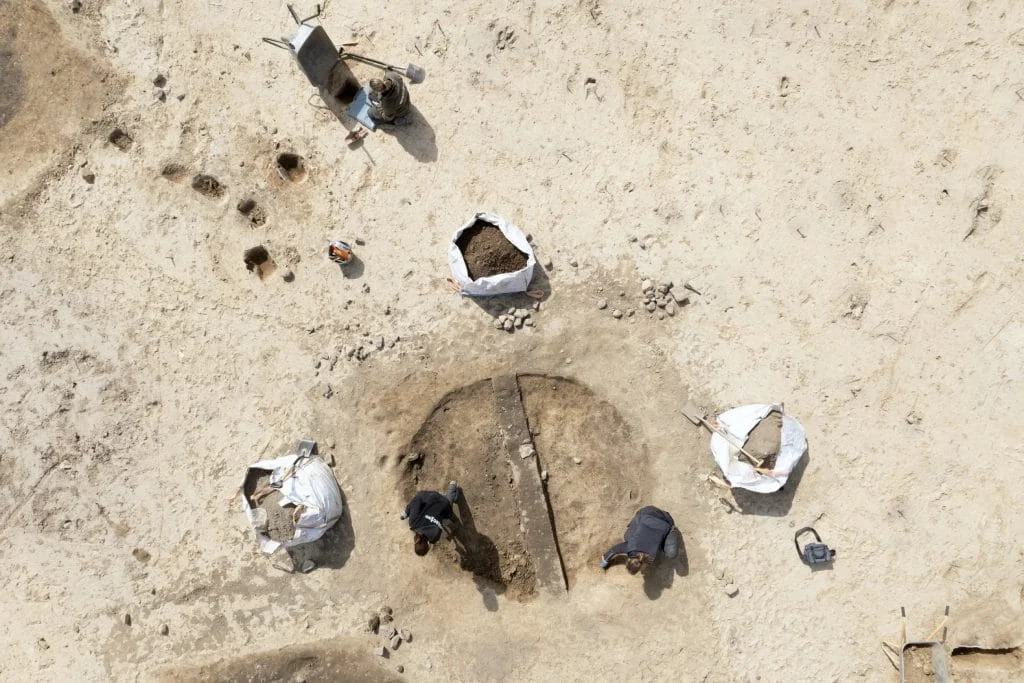
A Viking Age settlement specializing in textiles and craft products has been excavated in Søften, a town five miles north of Aarhus, Denmark’s second-largest city.
Covering an area of roughly 10 football fields, the settlement at Søften exhibited an “extensive and organized” system of production, with archaeologists unearthing 82 pit houses, buried workshop huts which were used to manufacture craft goods. Alongside the pit houses, researchers found areas for processing flax, a plant used in the Viking Age for making clothing, sailcloth, and ropes.
“We do not see traces of an ordinary village, but of a production area that has been specialized and organized on a large scale,” Liv Stidsing Reher-Langberg, who has been leading the excavations since the summer of 2025, said in a statement. “The structure suggests that the activities have been led by a central actor with control over resources and production.”
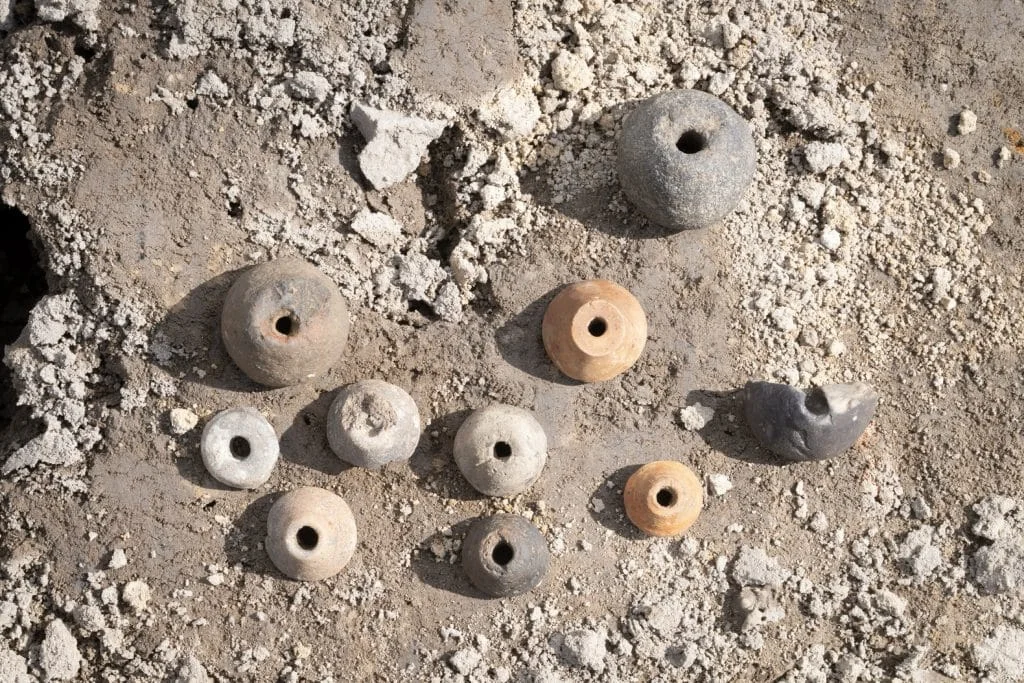
A collection of loom weights found at the site. Photo: courtesy Moesgaard Museum.
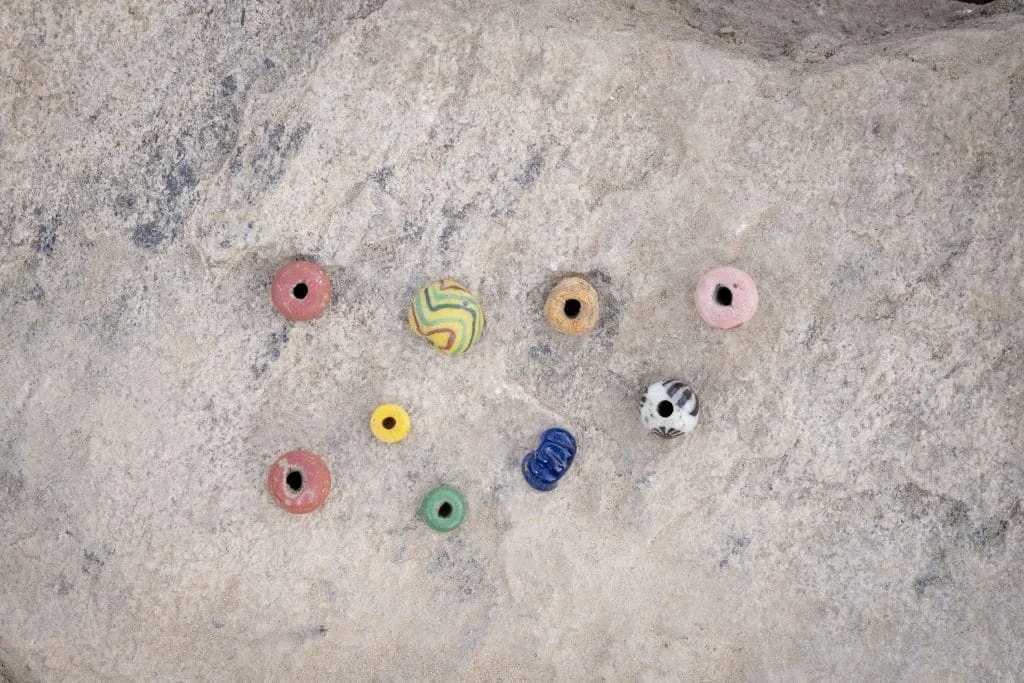
A selection of beads, which were used both as decorative objects and as units of exchange. Photo: courtesy Moesgaard Museum.
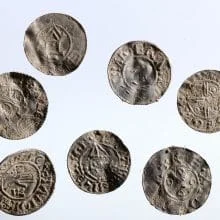
In terms of material evidence of textile production, archaeologists uncovered scissors and loom weights, which weavers used to maintain thread tension. Excavations also turned up scraps of silver, coins, a pearls—discoveries that researchers say testify to Søften’s place within a trade network.
This speaks to Søften’s proximity to Aarhus, or Aros as it was known in Old Norse, which from the 9th century to the 11th century was a key Viking naval base and trading center that boasted connections to Scandinavia, Western Europe, and beyond.
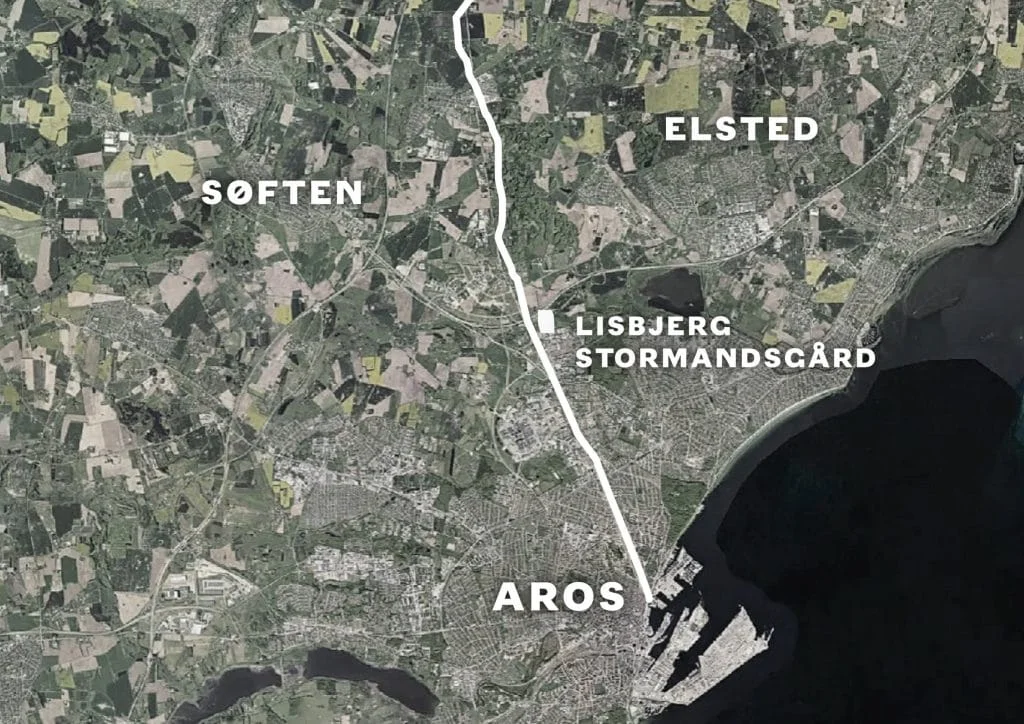
A map showing Viking Age settlements in the region. Photo: courtesy Moesgaard Museum.
In recent years, the area surrounding Søften has produced numerous important Viking Age discoveries.
Last summer, archaeologists in nearby Lisbjerg uncovered a treasure-filled Viking burial site from the 10th century, which may have been connected to an earl of Harald Bluetooth, who ruled Denmark and areas of Norway from 958 to 986. Among the finds was a grave box containing pearls, gold thread, scissors, and a woman’s bones, an assembly similar to one found in a nearby village in the early 2000s. In 2024, an archaeology student uncovered a collection of 9th-century silver bracelets whose design connected them with regions of modern-day Russia and Ukraine.
“Viking Age cities did not arise alone—and Søften and Lisbjerg are very clear examples of this,” historian Kasper Andersen said in a statement. “Goods and resources were brought from the surrounding countryside, which were traded in the cities and thus entered the extensive international network of the Viking Age.”

Related Articles
-