The burgeoning intersection of audio design and narrative filmmaking is on full display in the upcoming film “Tuner,” which has already created buzz at various prominent film festivals, including Sundance and Toronto. Directed by Daniel Roher, this heist film challenges traditional storytelling by putting sound at the forefront, guided by the expertise of Academy Award-winning sound designer Johnnie Burn. This innovative approach to sound design shapes not just the film's atmosphere but also the protagonist, essentially making auditory experiences pivotal to the narrative. Here’s why this film matters in a landscape increasingly driven by multimedia experiences.
A Deeply Sensory Experience
“Tuner” follows Niki, portrayed by Leo Woodall, a piano tuner with a unique auditory condition that makes him highly sensitive to sound. This characteristic serves as a double-edged sword; while it confers upon him the skills necessary for safe-cracking, it also presents significant challenges. The film's ambition lies in its conception as a sound-driven experience, fundamentally integrating how Niki perceives the world into the storytelling.
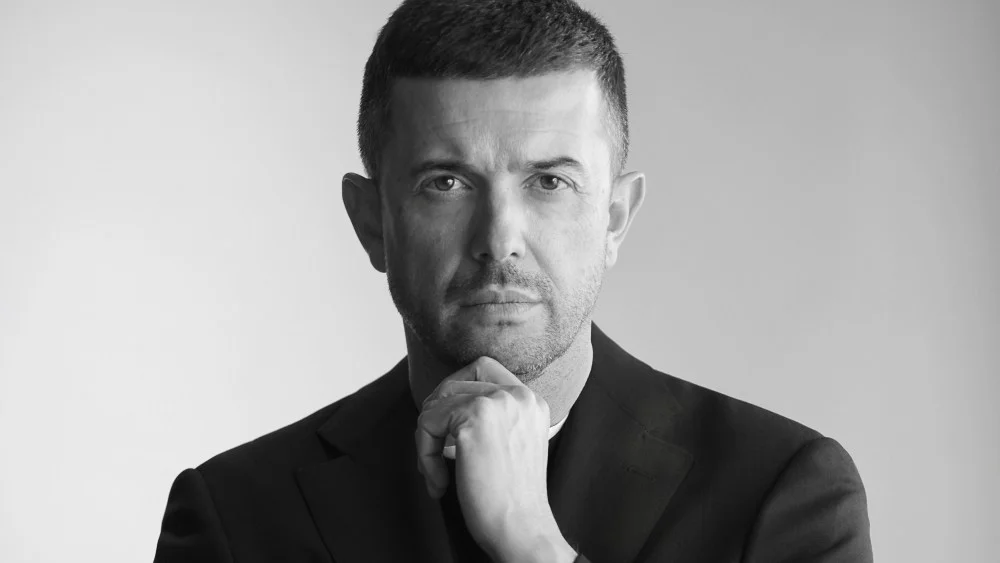
It's telling that Burn has stated, “everything is shaped by how the protagonist hears the world,” drawing upon his own experiences with hyperacusis to craft an auditory landscape that echoes the protagonist’s perception. This integration transforms sound into a character in its own right, engaging viewers in a manner that conventional films often overlook. As Roher puts it, the collaboration with Dolby and a talented team of sound experts ensures that “every note is not just heard, but deeply felt in the theatrical experience.”
The Release Strategy
Scheduled for early screenings on May 17 exclusively at Dolby Cinema locations via AMC Theatres, “Tuner” will gradually expand into limited release in major markets like New York and Los Angeles before going nationwide on May 29. This staggered rollout is a savvy move, particularly for a film that has been specifically designed to showcase its sound capabilities. Early ticket holders will receive a limited-edition bobblehead of Dustin Hoffman, a nod to the film's homage to cinematic history that is both clever marketing and a fun merchandise tie-in.
Why Sound Matters More Than Ever
In an age where visual effects dominate major blockbuster releases, the focus on sound design can feel refreshing, if not revolutionary. “Tuner” illustrates how sound can not only complement visuals but enhance and transform them. With the rise of immersive cinema experiences, films that prioritize audio quality may capture audience interest in a way that traditional narratives struggle to achieve. The experiences provided by Dolby allow for nuanced soundscapes that can evoke emotional responses, transporting audiences deeper into the story.
The film's exploration of sound also raises questions about the broader implications of sensory experiences in storytelling. How does sound inform our understanding of character? What does it reveal about themes of perception and reality? By creating a protagonist whose identity and skills hinge upon his sensitivity to sound, “Tuner” helps to contemplate these issues in ways that are engaging yet thought-provoking.
The Experienced Hands Behind the Film
With a strong supporting cast including Havana Rose Liu, Tovah Feldshuh, Jean Reno, and Lior Raz, the film is not just a technical showcase but also offers rich character studies. The cast's performances are likely to add depth, making the film more than just a stylistic exercise in audio. Roher’s directorial vision also plays a crucial role in marrying the technical sound elements with narrative progression, providing both a compelling plot and intricate character dynamics.
Excited Hype or Real Potential?
The anticipation surrounding “Tuner” is palpable, yet one wonders whether the excitement fully aligns with the film’s execution. The instinct is to celebrate this as yet another triumph of avant-garde cinema, but that risks oversimplifying what could be a challenging viewing experience for some. Will mainstream audiences resonate with a story that prioritizes sound in storytelling, and can the auditory elements hold their attention throughout the film’s runtime? These questions linger in the backdrop as the film prepares for its debut.
Also worth noting is Burn’s participation in select Q&As during the early screenings in New York, along with composer Will Bates and editor Greg O’Bryant in Los Angeles. Such engagements not only help in contextualizing the auditory experience but also demonstrate a commitment to engaging with audiences on a deeper level concerning the film's thematic and technical dimensions.
Looking Ahead
“Tuner” is set to push the envelope on how we perceive sound in cinema. As it transitions from festival favorite to theater screens, industry professionals should watch closely. The film might serve as a litmus test for how we understand the importance of auditory experiences in narrating stories. If “Tuner” can strike a chord with audiences, it may very well set a new standard for sound design in narrative cinema. Whether it achieves this ambitious goal remains to be seen, but its approach certainly merits a broader discussion about sound's integral role in film.