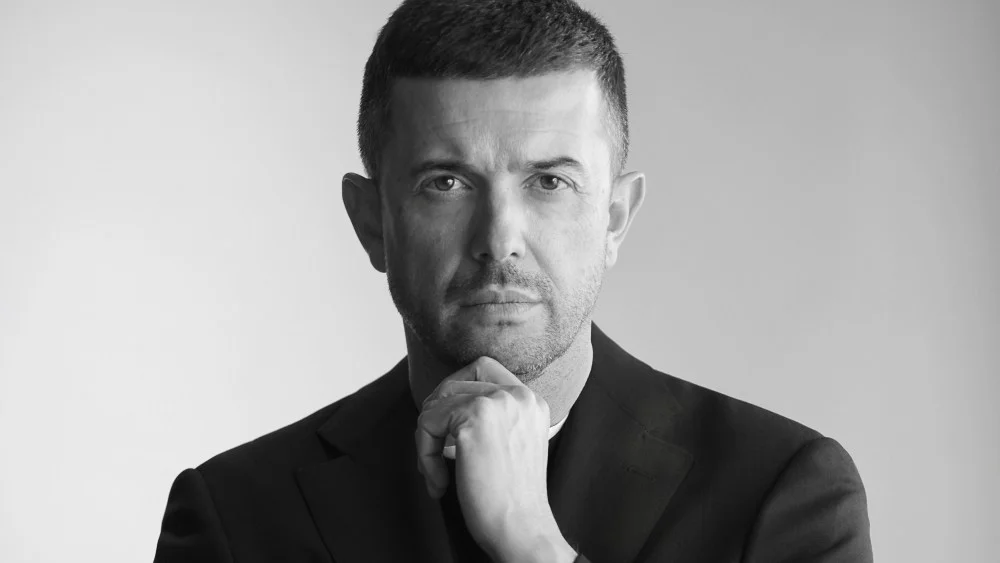
The recent arrest of Kodak Black in May 2026 on drug trafficking charges raises important questions about the complexities of celebrity and accountability in the music industry. The rapper, who has grappled with legal troubles for most of his career, was apprehended in Broward County, emphasizing how his notoriety is often intertwined with legal issues. This latest incident is a continuation of a troubling pattern, one that highlights not only Kodak's personal struggles but also broader themes in hip-hop culture regarding fame, resilience, and the cycle of conflict that can plague artists.
Kodak's Transformation: From Dieuson Octave to Rap Icon
Kodak Black, born Dieuson Octave on June 11, 1997, in Pompano Beach, Florida, has become a controversial figure in hip-hop, but his path to fame was not without hurdles. He officially changed his name to Bill Kahan Kapri and adopted the stage name Kodak Black, which quickly became synonymous with his brand and image in the music scene. His breakout singles like “No Flockin” and “Tunnel Vision” established him as a significant player in the industry, yet he constantly struggled against a backdrop of legal entanglements.
The Legal Web: A Pattern of Offenses
His arrest on drug trafficking charges is just the latest chapter in a biography filled with legal issues. Kodak's first run-in with the law dates back to 2015, when he was arrested for robbery, battery, and marijuana possession. The years that followed saw him embroiled in more serious allegations, including a 2016 sexual assault case in South Carolina, where he accepted a plea deal. In 2019, he was sentenced to federal prison for falsifying information on firearm purchase documents; a sentence that was cut short when then-President Donald Trump commuted it in his last hours in office. The current charges add another layer to an already complex narrative of a talented artist battling systemic issues that appear prevalent in the world of hip-hop.
Fan Base and Industry Impact
Despite his myriad troubles, Kodak Black maintains a fiercely loyal fanbase. His music resonates with many, revealing a dissonance between the artist's personal missteps and his commercial success. Collaborating with other industry heavyweights, he has managed to stay relevant in an unforgiving environment. It raises an intriguing question about celebrity culture: How long can the public continue to support an artist who frequently finds themselves on the wrong side of the law? The instinct is to dismiss his behavior as mere celebrity mischief, but that view oversimplifies the complexities at play.
Family Man Amid Controversy
In the midst of the chaos surrounding his life, Kodak Black also wears the hat of a father. He has five children and often shares snippets of his family life on social media, which starkly contrasts his public persona. His ability to maintain family ties while juggling a tumultuous career speaks to the multifaceted nature of his identity. Despite attempts to keep his children out of the spotlight, his relationships and parenting practices occasionally bleed into public consciousness, giving fans glimpses of a more grounded side to the artist.
Privacy in Personal Relationships
Kodak has largely kept his romantic life private, which adds another layer to his complicated narrative. He shares children with various women, including reality star Maranda Johnson, yet seldom speaks about these relationships. This reluctance to engage publicly about his personal life points to a desire for privacy amidst a life often under the microscope. It’s a notable juxtaposition against the transparency that many artists feel compelled to maintain in an age driven by social media.
Resilience and Education Behind Bars
An interesting aspect of Kodak's story is his pursuit of education during his incarceration. In 2018, he famously tweeted about passing his GED test, framing this achievement as comparable to the excitement of buying his first piece of jewelry. This pursuit of knowledge underscores the notion that individuals can grow and change, even in the face of adversity. It suggests that, despite his legal predicaments, there remains a part of him that seeks personal betterment and redemption.
The Bigger Picture: What Kodak's Story Reveals
Kodak Black's trajectory serves as a microcosm for examining how societal forces converge in the lives of young Black men, particularly those in the spotlight. His story invites deeper reflection on accountability, the justice system, and the often harsh scrutiny faced by public figures in the hip-hop world. The interplay between his musical success and his legal woes raises profound questions about how we define success and the price that often comes with it.
In conclusion, the situation with Kodak Black isn't merely about a rapper facing charges; it's a complex narrative about fame, resilience, and the challenges of personal accountability in a culture that often romanticizes the artist's lifestyle. As the music industry evolves, so too must our understanding of the artists who shape its landscape, urging us to consider not just the music they produce, but the lives they lead and the struggles they face.