The Best Personal Blenders for Solo Smoothies and Small-Batch Sauces

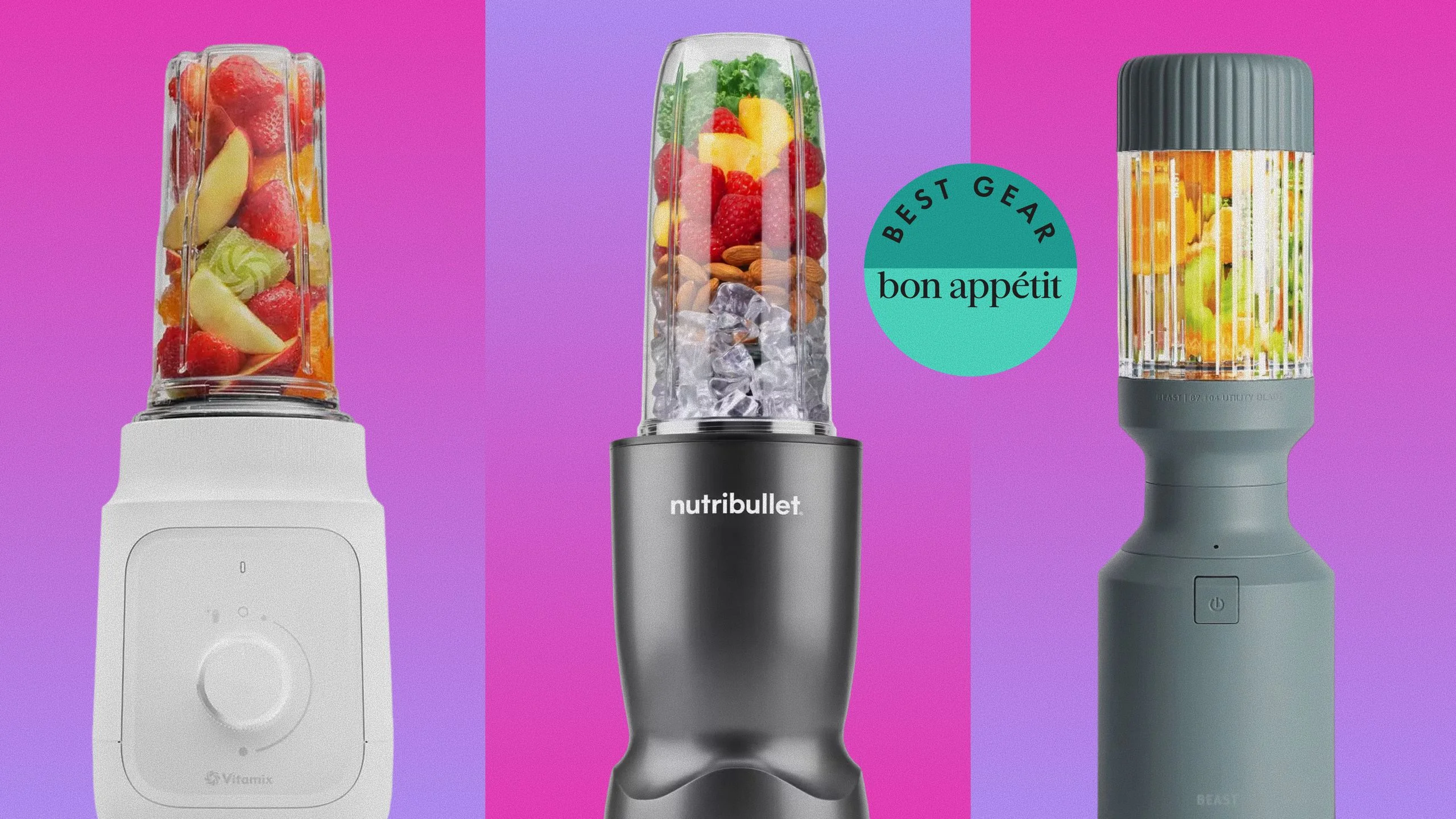
I write about kitchen gadgets for a living, so it should come as no surprise that my kitchen is covered in countertop appliances. But the one I use the most? My personal blender.
I drink a smoothie at least twice a week, and a small bullet-style blender is what gets the job done. Sure, I love my Vitamix, which is also on my counter. But even the best full-size blenders are less effective at single-serving smoothies and small-batch soups and sauces. And it never feels worth pulling mine out and cleaning it when I’m only cooking for myself.
Our top picks
- Best personal blender overall: Nutribullet Ultra
- Our budget pick: Nutribullet Personal Blender
- Best blender for smoothies: Ninja BlendBoss
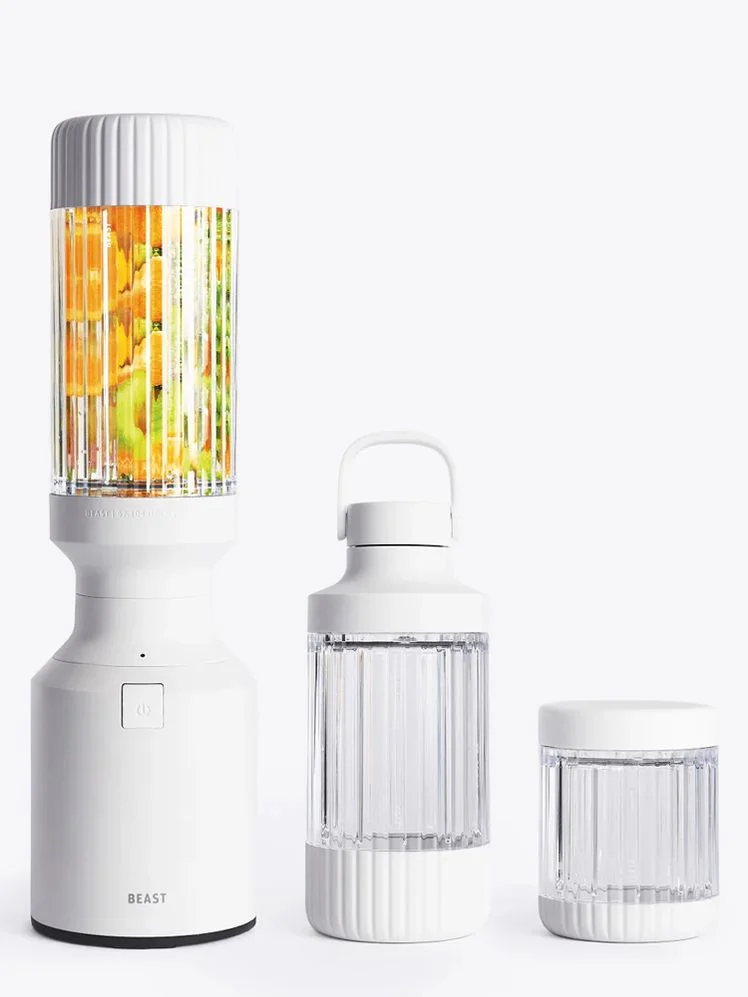
- The most versatile smoothie system: Beast Mighty 850
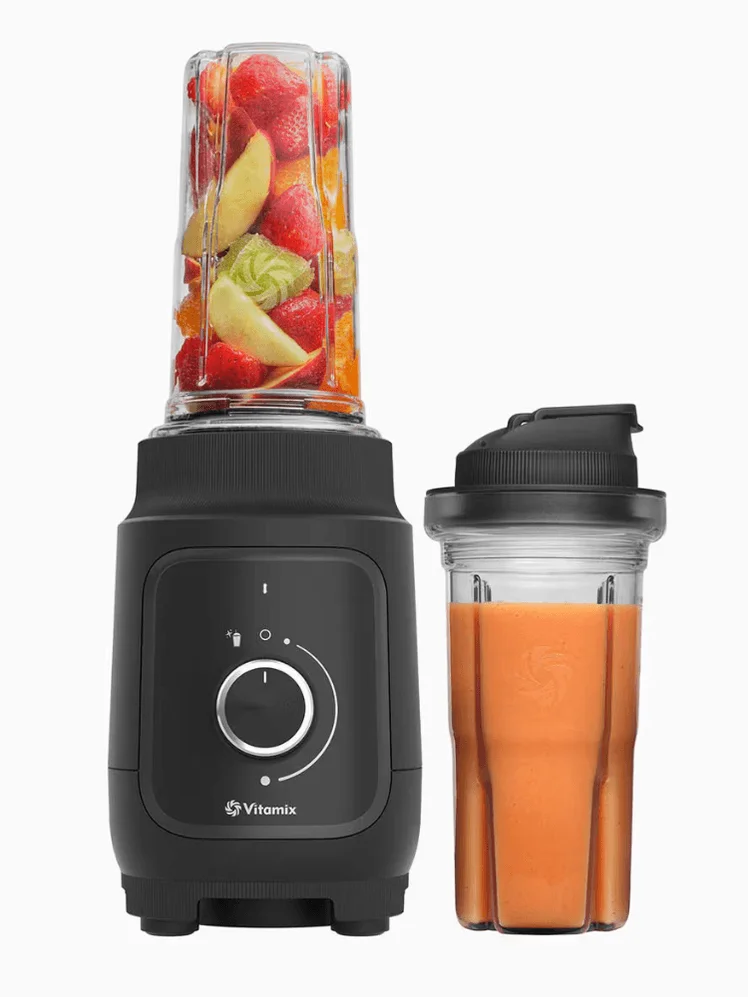
- Best choice for people without a full-size blender: Vitamix Nano
Here’s the thing, though: There are a lot of bad personal blenders out there. That’s why I set out to find one that could deliver silky smooth sauces and grit-free green smoothies, all while being compact and easy to clean. After testing 16 models, I’ve found five that have earned my seal of approval.
- Best overall: Nutribullet Ultra
- Best budget: Nutribullet Personal Blender
- Best blender for smoothies: Ninja BlendBoss
- Most versatile: Beast Mighty 850 Plus
- Best choice if this is your only blender: Vitamix Nano
- How we tested
- What makes a good personal blender?
- Others we tested and liked
- The ones we don’t recommend
- FAQs
New in this update: Nutribullet’s revamped base model impressed me so much that it replaced our former budget pick. I also tested the new Vitamix Nano, which earned my seal of approval as an incredibly powerful personal-size substitute for a full-size blender, and the Nutribullet Turbo, but it failed to produce a smooth result in both tests.
The best personal blender overall: Nutribullet Ultra
Pros and cons
Pros
- Powerful
- Improved blade design
Cons
- Has the size limitations of all personal blenders
Specs
Power: 1,200 watts
Capacity: 24 or 32 oz.
Warranty: 1-year limited (5-year limited for blade)
Included: 32-oz. cup, 24-oz. cup, 24-oz. handled cup, 2 to-go lids
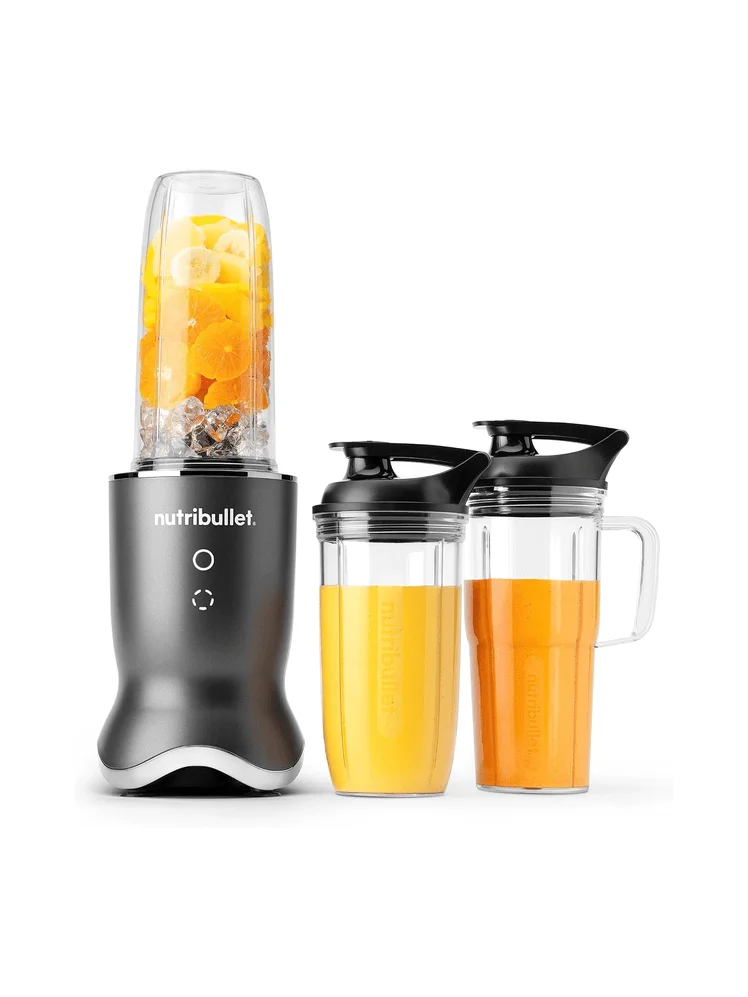
The Ultra has been our top pick for years, and in this round of testing, it faced its stiffest competition from inside its own lineup. Nutribullet's revamped base model costs half as much, runs on 700 watts to the Ultra's 1,200, and still matched it on smoothies and edged it out on pesto. The Ultra keeps the top spot anyway, because blending is only part of what makes a personal blender worth owning.
What I love: At 1,200 watts, the Ultra is tied for the most powerful personal blender we've ever used. It turned a pile of fibrous kale (with stems!), frozen fruit, and almond milk into a creamy smoothie with ease, and it produced beautifully emulsified pesto. For reference, our favorite Vitamix, the VX1, has a not-actually-that-much-more-powerful 1,640-watt motor.
That performance is also partially due to the titanium-coated stainless-steel blade, which has six prongs, as opposed to the four I've seen in most comparable models.
The Ultra comes with three blending jars, including a 32-ounce one, the largest capacity of anything we tested. That's what makes it the more versatile pick: you can run multiple smoothies or a batch of soup without stopping to refill. It also comes with two to-go lids, and I've been using it to take smoothies on my morning commute.
The controls are the other thing that sets it apart. Lock the cup into place and press a touchscreen button to start a 30-second cycle, or press and hold to blend or pulse. Pulsing matters more than it sounds like it should, and it's the one thing the base model can't do. Beyond that, there are very strong suction cup feet that keep the unit stable while it's running, and a thick-rimmed lid that doesn't leak.
The Ultra is also the only Nutribullet in this roundup that anchors a larger system. The mini food processor attachment is the piece senior shopping editor Noah Kaufman reaches for multiple times a week.
What I’d leave: At $130 at the time of writing, the Ultra is a great value for the horsepower, especially compared with a Vitamix, which will run you anywhere from $380 to $750. But it's also about twice the base model, which blended marginally better. If all you want is a blender that makes an excellent smoothie, save your money and buy the Personal Blender below. You're paying the difference for the bigger cup, the button, and the attachments.
In the long run: "Having this blender at home actually turned me into a smoothie person. I’ve begun using it to make them for myself and my kids for breakfast a couple of days a week. The Nutribullet’s performance is as good now as it was when I first got it over a year ago, zipping up well-blended mixtures of kale, frozen berries, and coconut water.
The real benefit of the Ultra, though, has turned out to be the mini food processor that comes as an optional add-on. If you are considering getting this blender and you do any cooking at all, do yourself a favor and get the processor attachment. I use it to mince garlic and ginger or chop onions every week, often on multiple nights. They’re tasks I find particularly tedious, and, especially in the case of just a couple cloves of garlic, impractical in my regular food processor (who wants to take that thing down and clean it up for two cloves of garlic?). In the mini-processor, the work is done in 10 seconds with the mess quite contained." —Noah Kaufman, senior shopping editor
Good to know: For an additional $80, you can upgrade to the Nutribullet Ultra Plus+ Compact Kitchen System, which includes the motor base, two blending cups with to-go lids, as well as a coffee/spice grinder (keep it for spices, use a burr grinder for coffee) and mini food processor attachments.
Best budget personal blender: Nutribullet Personal Blender
Pros and cons
Pros
- Blends smoothies in record time
- Under $100
Cons
- Only one blend mode
- Only available in one color
Specs
Power: 700 watts
Capacity: 21 or 24 oz.
Warranty: 1-year limited
Included: 24-oz. cup, 21-oz. handled cup, 2 to-go lids
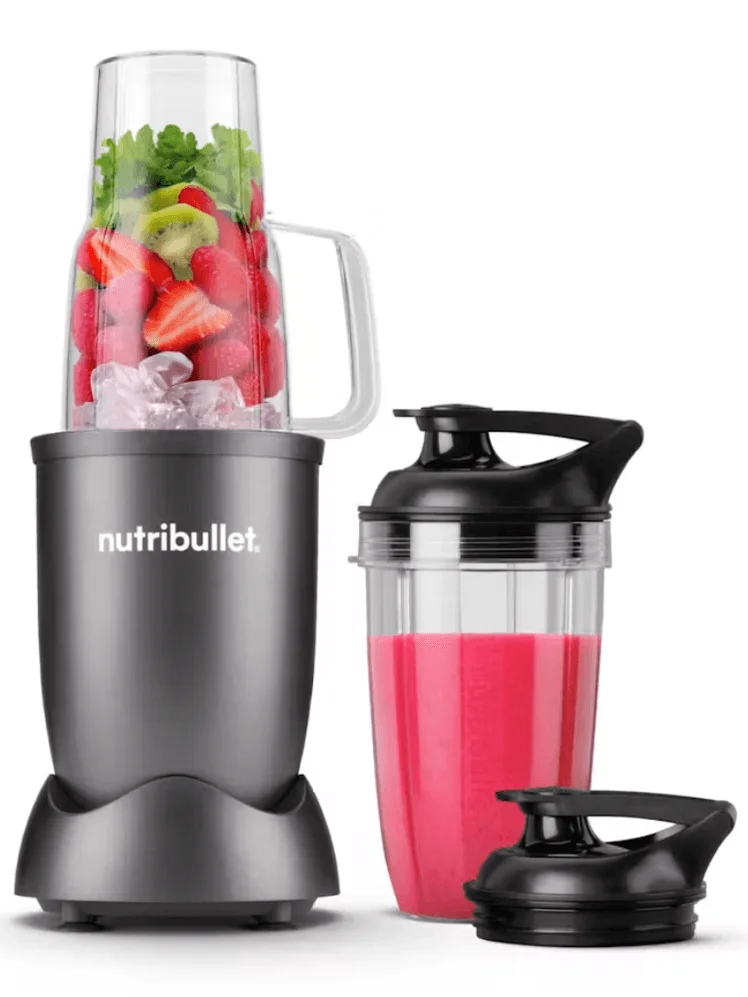
We originally tested Nutribullet's revamped base model against the Thyme & Table model for our budget category. It turned out to perform marginally better than the Ultra, our best overall pick. A few missing features kept it from taking the top spot, but we recommend it wholeheartedly, and it makes an incredible budget pick.
What I love: This little machine punches above its weight. Its green smoothie came out just as silky as the Ultra's, in a single blend cycle rather than two (which is understandable considering the base model's cycle is 55 seconds compared to the Ultra's 30). And when we examined the two pestos closely, the Ultra's still had a few visible bits of pine nut, each about the size of a grain of sand. The base model's had fewer, and a more homogeneous texture overall. All of that from a 700-watt motor against the Ultra's 1,200.
My theory is that its slightly wider-mouthed cup lets ingredients reach the blade more easily without getting stuck. That means faster blending and less need to stop and shake the cup between cycles.
Design-wise, the base model is sleek and straightforward. To start a blend cycle, just press the cup down into the base and twist. Suction cup feet keep the machine from bouncing around on the counter. The cup's wider mouth makes it easy to hand-wash, though the cups, to-go lids, and blade are also top-rack dishwasher-safe.
What I’d leave: There's no pulse or on/off button. The single 55-second blend mode starts automatically when you push and twist the cup into place, so pulsing means locking and unlocking the cup over and over. We never needed to with the smoothie, since one cycle was enough, but it's not ideal to go without.
That push-and-twist motion is easy, but it takes a bit of pressure to lock into place. If you have mobility issues, we recommend the Ultra.
The base model also tops out at 24 ounces, against the Ultra's 32, and there's no food processor or grinder attachment to add later. And unlike more premium models, it's only available in one color.
The best personal blender for smoothies: Ninja BlendBoss
Pros and cons
Pros
- Powerful motor
- Handled cup and spout lid are great for smoothies
- Compact base
Cons
- Only one container option
- Handle can collect water inside, with no way to dry it
Specs
Power: 1,200 watts
Capacity: 26 oz.
Warranty: 1-year
Included: 26 oz. cup, flip-top lid, straw
What we love: Ninja’s latest personal blender lives up to its name: It’s a powerful yet compact machine with a 1,200-watt motor that rivals that of our top pick. It has four different modes: Smoothie, Ice Crush, Blend, and Pulse. The Smoothie, Ice Crush, and Blend modes all use Ninja’s Auto iQ technology, which uses a combination of blending, pulsing, and pausing to achieve the desired result.
In testing, the BlendBoss whizzed through smoothie ingredients (including those pesky fibrous kale stems) with no trouble at all, producing the silkiest smoothie out of any of the models I tested in just one 55-second Smoothie iQ cycle. It performed well in the pesto test too; its powerful blade was more than up to the task of breaking down whole garlic cloves and leafy basil.
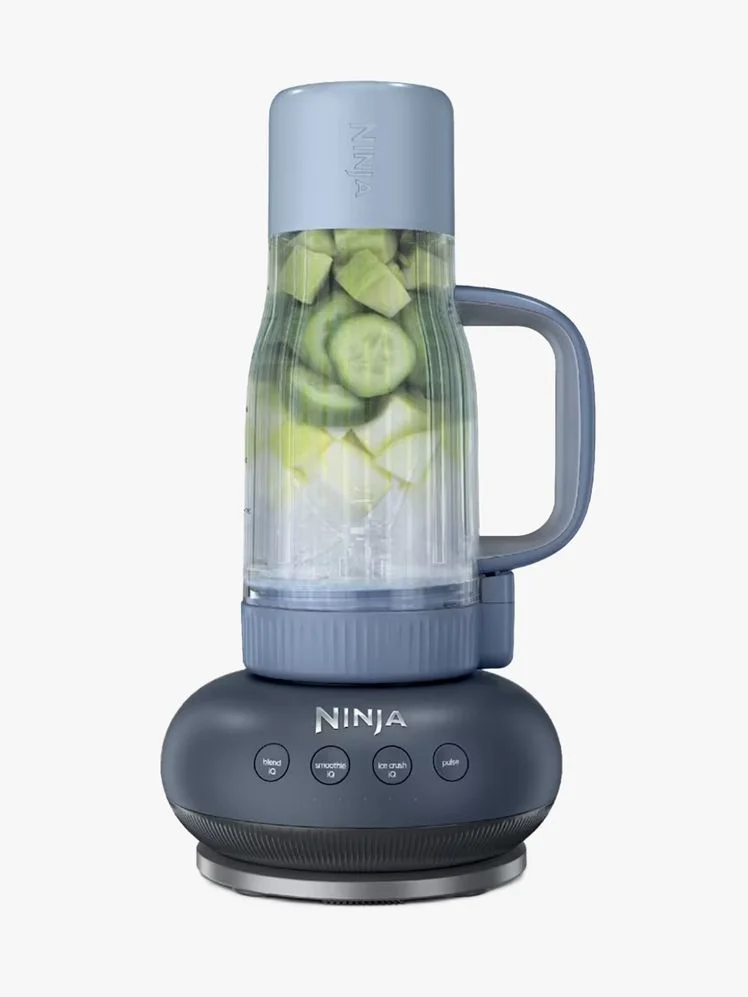
The base of the BlendBoss is unlike that of any other personal blender I’ve seen—bulbous and sort of donut-shaped, rather than the vertical cylinder that's become industry standard. This didn’t have any real effect on the user experience or the model’s performance, but I found the cute colors and shape to be somewhat charming. The BlendBoss comes with a single-handled blending vessel, a flip-top lid, and a straw, all of which make it more suitable for smoothies than sauces or soups.
What we’d leave: At the time of writing, the only blending vessel that’s compatible with the BlendBoss is the 26-ounce handled tumbler that’s included. While the handle is nice if you’re drinking a smoothie, it feels unnecessary when using the blender for other tasks, such as puréeing soups or blitzing sauces. What’s more, that handle is actually the BlendBoss’s biggest flaw: There’s a gap in the plastic construction that allows water to get inside the handle, and because there’s no way to detach it from the body of the cup, there’s no real way to dry any droplets that get caught.
The most versatile smoothie system: Beast Mighty 850 Plus
Pros and cons
Pros
- Small footprint
- Comes with various sizes of blending containers
- Includes lids and spout tops to make it easy to sip blended beverages on the go
Cons
- Not as powerful as other blenders, so it may take a little more time to get a smooth consistency
- Fluted containers can be tricky to clean at times because food gets stuck in the grooves
Specs
Power: 850 watts
Capacity: 415-ml, 640-ml, and 785-ml vessels
Warranty: 2 years
Included: base and blade, 3 blending vessels, 2 storage lids, drinking lid and carry cap, straw cap, straws, cleaning brushes
What we love: This model from Beast is certainly a looker, with its pretty ribbed cups and range of color options. I also appreciated that it came with three different-size cups and a range of useful lids (including one with a straw), and that it has a comparably compact base. I ended up taking this model home and have found that it’s been perfectly effective for blending my own morning smoothies, which consist of frozen fruit, almond milk, protein powder—and importantly, no fibrous kale stems. And I do really love the straw lid, which enables me to take my smoothie on the go or easily carry it around the house while I go about my morning. If you don’t intend to be as hard on your blender as we are in our Test Kitchen, you may actually love this model.
I’ve also taken to using the blending vessels as storage containers, which is made easy thanks to the included screw-on lid. The small container is great for packing yogurt parfaits for work, and I frequently use the larger one to stash batches of soup in my fridge.
Beast now offers stainless-steel blending containers and blades, which you can purchase with the base or separately. Performance is identical to the plastic version in our testing. The trade-off is that you can’t see what’s happening inside, so you can’t check your texture as you blend. The upside is insulation: In our testing, a smoothie held its temperature with only minor change over a 40-minute commute. Buying the stainless vessel with the base also gets you a metal motor base instead of a plastic one, which makes Beast a strong option if you’re looking to reduce plastic in your kitchen.
What we’d leave: I’ll be up front with you. The Beast did not perform well in my in-office testing. I had to run it countless times to get the tough kale stems in the green smoothie to blend properly, and it took several cycles to successfully blend a batch of pesto. That said, this is a well-designed appliance that I genuinely enjoy using, and given that I use my full-size blender for tougher tasks, I don’t mind that the Beast’s capabilities are somewhat limited.
In the long run: I reach for my Beast Mighty 850 far more frequently than my Vitamix. Its footprint is tiny enough to live on my counter at all times without looking bulky or out of place. I use it almost exclusively for smoothies with just frozen fruit and protein powder, so nothing that requires the wattage of a high-powered blender to get through tough kale stems or ginger. The smaller vessels get a lot of use too. When I make a salad dressing and have leftovers, I pop a lid on the vessel and stick it straight in the fridge, and I still have two more vessels free for smoothies or soups in the meantime. I’m also loving the new stainless-steel container, which keeps my smoothies cold all the way through my morning commute. —Olivia Tarantino, senior shopping editor
Instagram content
The best choice if this is your only blender: Vitamix Nano
Pros and cons
Pros
- Variable speed control
- High-powered motor produces velvety smooth blends
Cons
- Expensive
- Only one tumbler size
- Lid design can lead to messy situations
Specs
Power: 1,000 watts
Capacity: 20 oz.
Warranty: 3-years
Included: 2 20-oz. cups, 2 to-go lids
The biggest name in blenders just launched its first entry into the personal blender category, and I’m pleased to report it lives up to the brand’s sterling reputation.
What we love: The Nano’s 1,000-watt motor powered through smoothie and pesto ingredients with no issues in my testing. Shopping writer Olivia Tarantino put it to a tougher test with corn chowder. She owns (and loves) a Beast Mighty 850 but reserves her Vitamix Ascent X2 for heavy-duty jobs like this one. “The 850-watt Beast just doesn’t have the power to get through corn,” she says. “It comes out more like creamed corn than a silky smooth purée.” The 1,000-watt Nano matched the texture of her roughly 1,600-watt Vitamix.
She was just as impressed by its smoothies. “I’ve never seen a smoothie get as smooth as the one I made in the Nano,” she says. “If you like hearty kale, stems and all, or knobs of fibrous ginger in your smoothie, there’s no better bet.”
What really sets the Nano apart is variable speed, a feature most other personal blenders lack. As with a full-size Vitamix, that helps it blend more thoroughly than a single-speed model running a standard one-minute cycle. It also has a dedicated smoothie setting that, according to Vitamix, senses what’s in the cup and adjusts speed and timing automatically. After several smoothies, Tarantino could tell it was adjusting to the ingredients and their thickness, and she found it did a pretty good job of being hands-off. The smoothie lid is secure, too. She threw the cup in her work bag, and it didn’t leak.
Variable speed also makes the Nano far more versatile than the average bullet blender. It can mix ingredients at a low speed without whipping air into them, so it handles things like salsa, baba ganoush, or a delicate herby salad dressing. “If you don’t have the kitchen space for a personal smoothie blender and a large Vitamix, the Nano is the solution you’ve been looking for,” Tarantino says.
What we’d leave: “Do not, I repeat, do not put hot liquids in the Nano,” Tarantino says. Vitamix clearly warns against it, but she’d blended hot liquids in personal blenders before, so she gave it a shot. When she set a cup of freshly simmered soup on the base, it spilled everywhere before she even turned the machine on. If you want to blend soup in the Nano, let it cool first.
Even then, the small cup means blending a big pot of soup in batches, and that gets messy. The lid has to be screwed on completely tight for the cup to click into the base. And because the cup’s walls extend slightly past where the lid screws on, things can get drippy every time you unscrew the lid to refill or empty the cup. Tarantino ended up with soup everywhere, including on the base’s landing pad, which is recessed and almost impossible to wipe clean without a brush. Vitamix doesn’t include one. She had her own on hand, which helped. The fluted exterior of the base is cute, but it catches every drip of soup and smoothie and is tricky to wipe down.
Then, of course, there’s the price. At $200, the Nano costs more than many full-size blenders, though it’s still $180 less than the most basic full-size Vitamix, the VX1 (which is also our recommendation for the best blender).
How we tested personal blenders
- Green smoothie: We blended fibrous kale (stems included), frozen fruit, and chewy whole dates to see how each blender handled tough, fibrous ingredients.
- Classic pesto: We tested each blender with a mix of leafy basil, pine nuts, garlic, olive oil, and cheese to assess performance with a combination of textures.
- Long-term use: We continuously use our winners throughout the year to judge how they hold up over time.
What makes a good personal blender
Creamy smoothies and smooth pesto
We looked for personal blenders that could work through tough leafy greens and hard frozen fruit and nuts to produce smooth, chunk- and grit-free smoothies and pesto in a reasonable amount of time/blend cycles.
Design and ease of use
Is the control panel intuitive? Are any special features helpful, or unnecessary?
Accessories
Does the blender come with any useful accessories? We’re talking extra cups, to-go lids, or any other handy extras that make it more versatile.
Size and weight
Personal blenders should be compact enough to sit permanently on your counter without hogging space, but also lightweight enough that you could easily stash them away. After all, there’s a reason you’re opting for one of these and not a full-size model.
Cleaning
We favored models with dishwasher-safe components because no one wants to hand-wash a blender cup when they’re running out the door after downing their morning smoothie.
Other personal blenders we tested and liked
Thyme & Table Single-Serve Blender
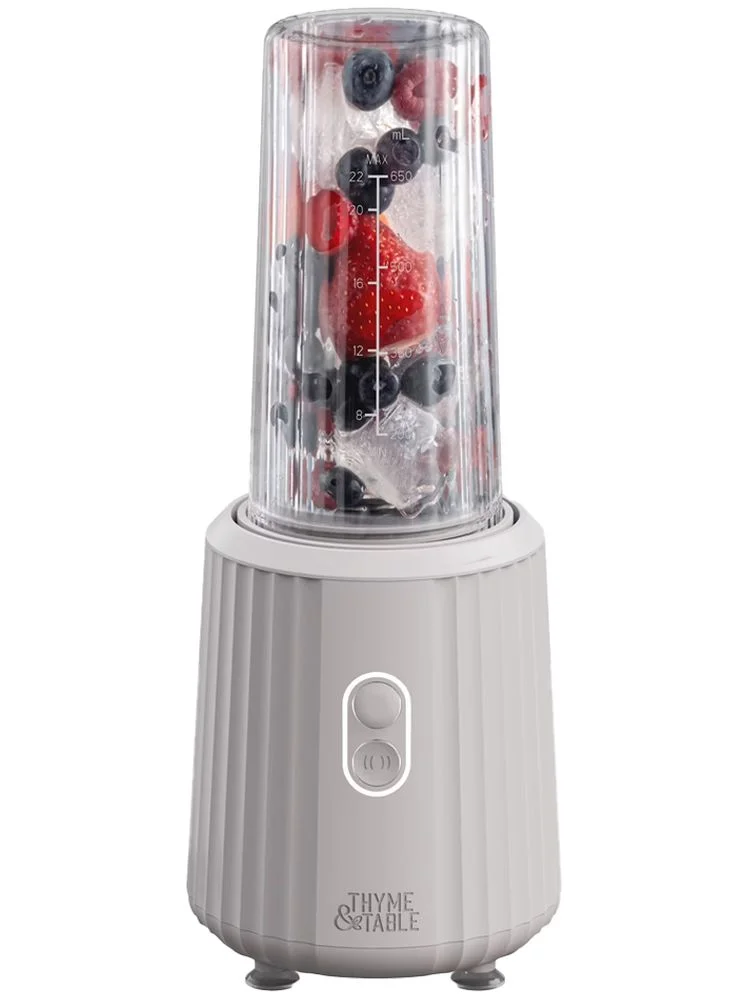
This blender from Walmart-exclusive brand Thyme & Table was our former budget pick until it was unseated by the Nutribullet Personal Blender, which is the same price. The base itself is made of plastic, but it feels sturdily constructed and well-designed, and the suction feet on the bottom do a good job of stabilizing the blender as it runs.
Like many of the blenders on this list, this one has two modes: Blend and Pulse. We used the blend mode for both the smoothie and pesto test and achieved relatively smooth mixtures in just one 30-second blend cycle both times (though each needed a couple of extra seconds of blending to reach an optimal consistency). We also appreciated that the included blending cup is wide enough that you can fit your hand and sponge inside it, which makes for easier hand-washing, though the cup (and other accessories) is also dishwasher-safe.
Our main gripe with the Thyme & Table is that it only includes one blending cup—and from the looks of it, the brand does not currently sell additional cups or lids sans blender.
Zwilling Enfinigy Personal Blender
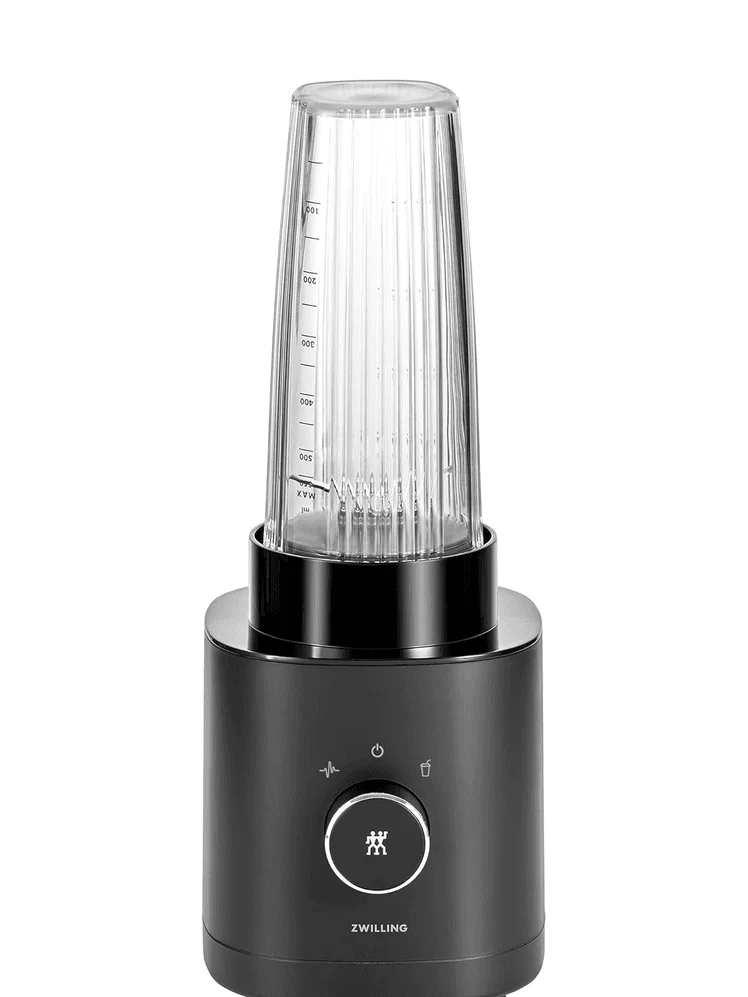
This model from Zwilling is one of the most stylish personal blenders we’ve come across, with a sleek, well-constructed base, intuitive knob-controlled interface, and chic fluted blending cup. It has two modes: Turn the control knob to the right to activate the automatic smoothie setting, or hold it down to the left to run the manual blend-pulse mode. In our tests, it broke down tough kale stems and left no garlic chunks or stray basil leaves in the pesto. Performance-wise, it was on par with the Thyme & Table model in our most recent round of testing, so it ultimately lost the top spot solely due to its higher price tag. That said, this is an excellent blender that would serve you well.
Beast Mega 1200
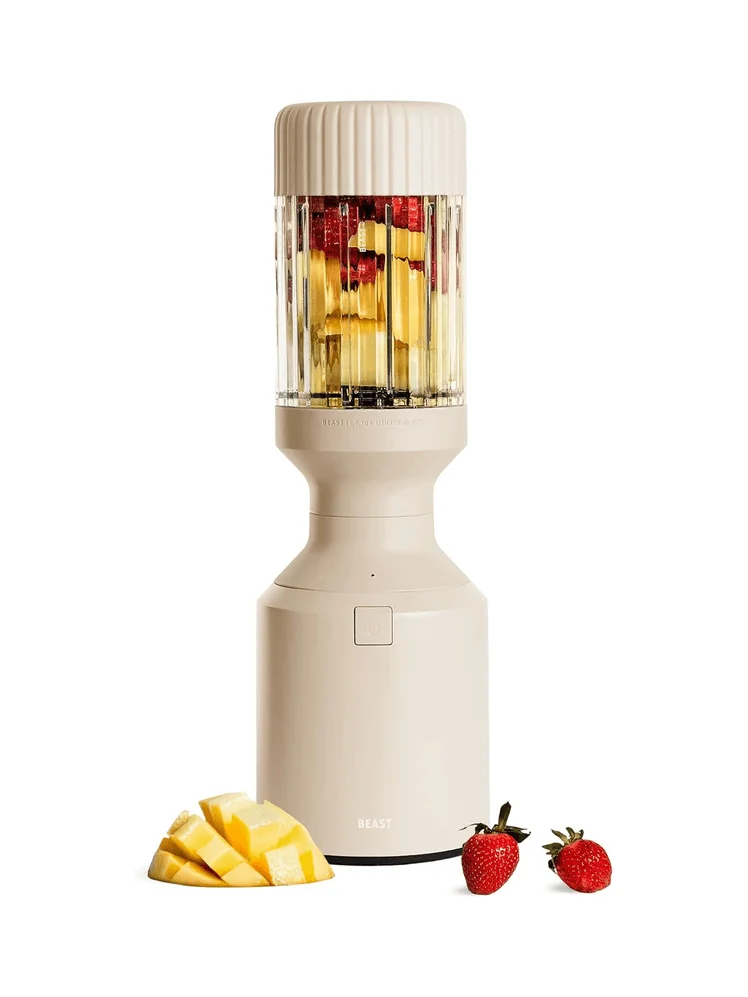
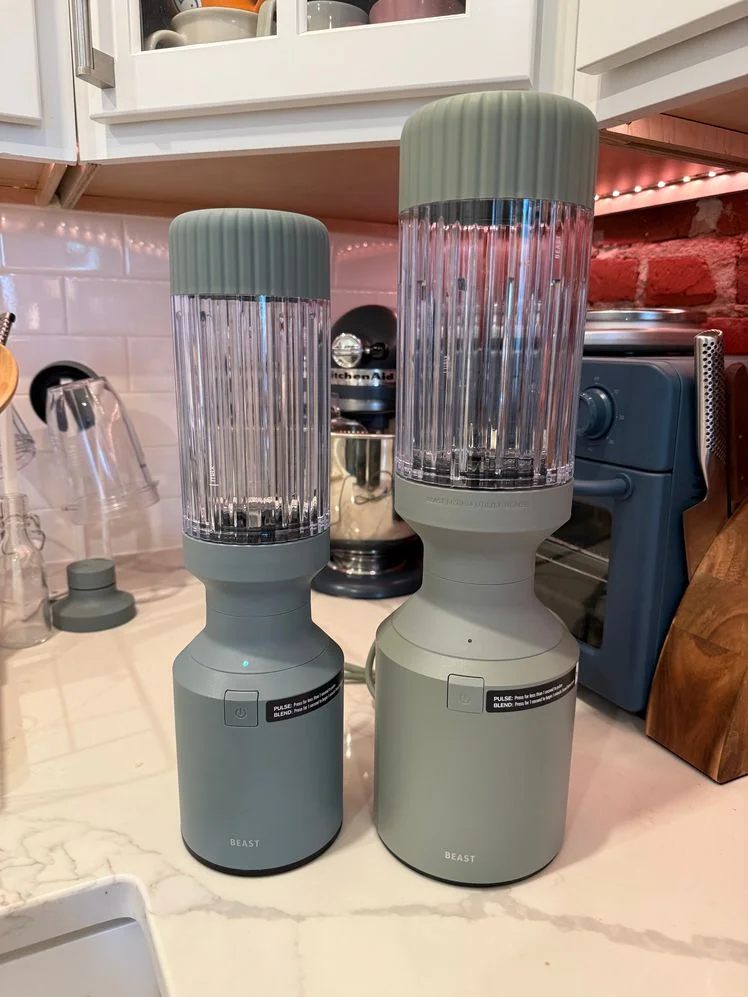
At 1200 watts, the Mega is the most powerful blender Beast makes. But power isn’t the only thing that sets it apart from the Mighty. It also has a larger base and bigger, wider blending cups. In testing, the Mega performed well: It produced a fully blended smoothie in about one and a half one-minute cycles and a smooth pesto in just one cycle.
That said, the Mega’s wider blending cups can be awkward to hold and drink from with one hand. Because of this, we wouldn’t recommend it if your main use is making smoothies to take on the go. However, if you’re primarily looking to make soups, sauces, or other larger-batch recipes, its powerful motor and spacious blending vessels could make it worth considering.
Beautiful by Drew Barrymore Personal Blender
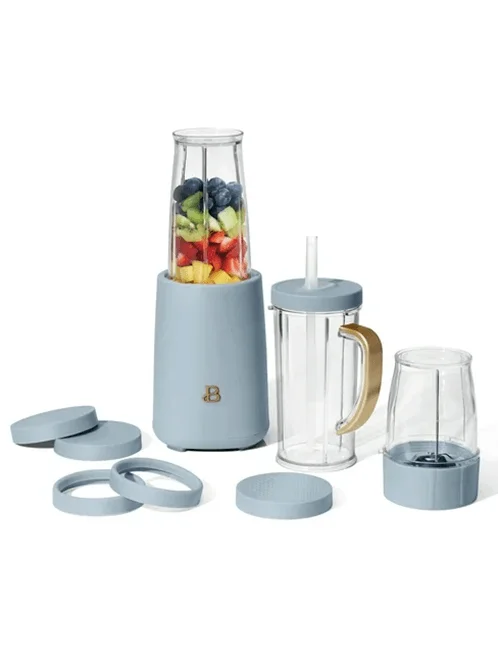
The appliances in Drew Barrymore’s Beautiful line have claimed the top budget pick spot in some of our other product tests (see stand mixers and toasters), so we were eager to try out the brand’s personal blender. It’s very cheap (just $35 at the time of writing), and the build quality feels as such. The plastic base and cups don't feel the most sturdy or durable. We also disliked that the largest blending cup has only a 16-ounce capacity. However, this blender performed decently for something of its price. While it took a little longer to achieve a smooth texture, it was able to get there in about 90 seconds in both of our tests. We also appreciated that it comes with a range of attachments, including (but not limited to) three blending cups, two blades (one for grinding and one for blending), and a straw lid. If you’re looking for the cheapest option that can get the job done, this model is worth considering.
Our Place Splendor Blender
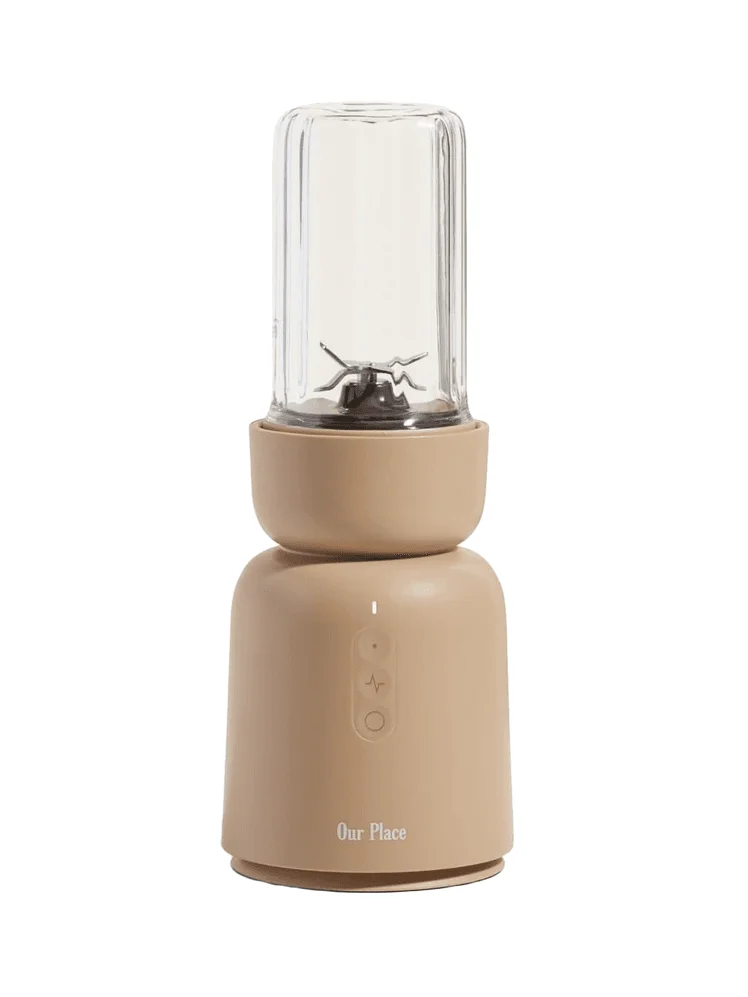
The Our Place Splendor Blender looks a bit like a toy, but it has an impressive 1000-watt motor and was surprisingly effective in our most recent round of testing. It has three buttons: Pulse, Blend, and Off. The 45-second blend cycle was able to produce a fairly smooth smoothie (though it would’ve benefited from an extra 10 seconds to eliminate some grittiness), and I achieved a luscious pesto in one and a half cycles. We ultimately think our top pick outperformed the Splendor Blender by a hair, and we appreciate that $165 can get you the Nutribullet plus three blending cups and two lids—whereas that same $165 gets you just two cups and one lid with the Our Place.
Personal blenders we don’t recommend
The Nutribullet Pro is essentially two steps down from the Nutribullet Ultra. It has a powerful 1000-watt motor, comes with two blender cups and lids, and has those same grippy suction cups to keep it secured to the counter. We didn’t love the twist-to-blend functionality, ultimately preferring the touchscreen controls of the Ultra. And while the Pro did well in the pesto test, the smoothie it made was quite chunky.
This Ninja blender comes with two cups for smoothies and sauces, plus a “nutri-bowl.” The bowl comes with a “power paddle” meant to be turned by hand while the machine is running to create better-textured smoothies and açai bowls, but we didn’t find it very effective. While this model made a great smoothie, we found it difficult to gauge how long to blend our pesto and docked points for its very loud motor.
While Magic Bullet blenders are made by Nutribullet, we found that this one’s performance paled in comparison to the Nutribullet models we tried. At only 250 watts, its motor just wasn’t powerful enough to achieve the creamy, chunk–free smoothies we were after.
This blender from Ninja performed okay in our testing. With a 1,100-peak-watt motor, it is quite powerful and was able to blend a smooth green smoothie in one 50-second cycle. However, it struggled in the pesto test: No matter how many times we ran the blend cycle, the machine could not seem to get rid of some noticeable bits of garlic. After three tries, we gave up—and by then, the pesto was verging on warm due to the heat generated by the motor.
Like all of the brand’s products, the pastel Smeg blender is quite cute—but in testing, it failed to deliver. I disliked that I had to press down on the blending container continually for the blender to run, and the 300-watt motor was incredibly ineffective. After nearly three minutes of blending (with pauses to shake the container manually), the green smoothie still wasn’t smooth. The plastic blending containers were also small and felt a bit cheap, despite the blender’s $190 price tag.
The Nutribullet Turbo (1000-watts) sits between the basic Nutribullet (700-watts) and the Ultra (1200-watts) in terms of both wattage and price. Despite its superior horsepower to the base model, it performed significantly worse. After three 55-second cycles, there were still whole basil leaves floating around the pesto I made, and after two cycles, a giant kale leaf was still present in a smoothie. It also seems there’s some sort of safety feature that bars you from running the machine a fourth consecutive time.
FAQs
What about rechargeable portable blenders?
We’ve tested a number of these cordless blenders that proliferate in many people’s social media feeds (you can check them out in action here) and the truth is, they just aren’t powerful enough to succeed in any of our blender tests. They’re…fine if all you’re making are protein shakes. But we advise against them in general.
What to make in a personal blender
Smoothies are the obvious answer here, but that’s not all you can make in a personal blender. Put yours to work whizzing up punchy salsa verde, lump-free crepe batter, salad dressings, hummus, small batches of summer gazpacho, or even homemade baby food.
Read more shopping stories on Bon Appétit
- Read all about the best full-size blenders
- Curious which Vitamix blender is right for you? We’ve got you covered
- Read why we love immersion blenders for making soups, purées, and even smoothies