I Wash My Kitchen Linens With Activewear Detergent, and They’ve Never Smelled Fresher

I’m not what you would call “a laundry person.” Well, unless your definition of “laundry person” is someone who’s chronically overwhelmed with baskets of clothes, towels, and bed linens awaiting the next step in the process. And I’m not just talking about dirty laundry; folding and putting away clean clothes is a daunting task for me. I’d rather unload the dishwasher (and I hate unloading the dishwasher!).
However, there’s one category of laundry I always fuss over and keep up with, and that’s kitchen linens.
For as long as I’ve had my own kitchen, I’ve refused to wash kitchen stuff with any other laundry. I may not separate my lights and darks, and my interpretation of “dry clean only” is “just use the delicate cycle on the machine,” but I draw the line at putting the towel I use to dry my dishes into a hot bath with my dirty socks and underwear. And it goes both ways, because there’s absolutely no world in which I would launder the microfiber cloths I use to clean up spills, splatters, or potential salmonella with my bath towels (shudder!).
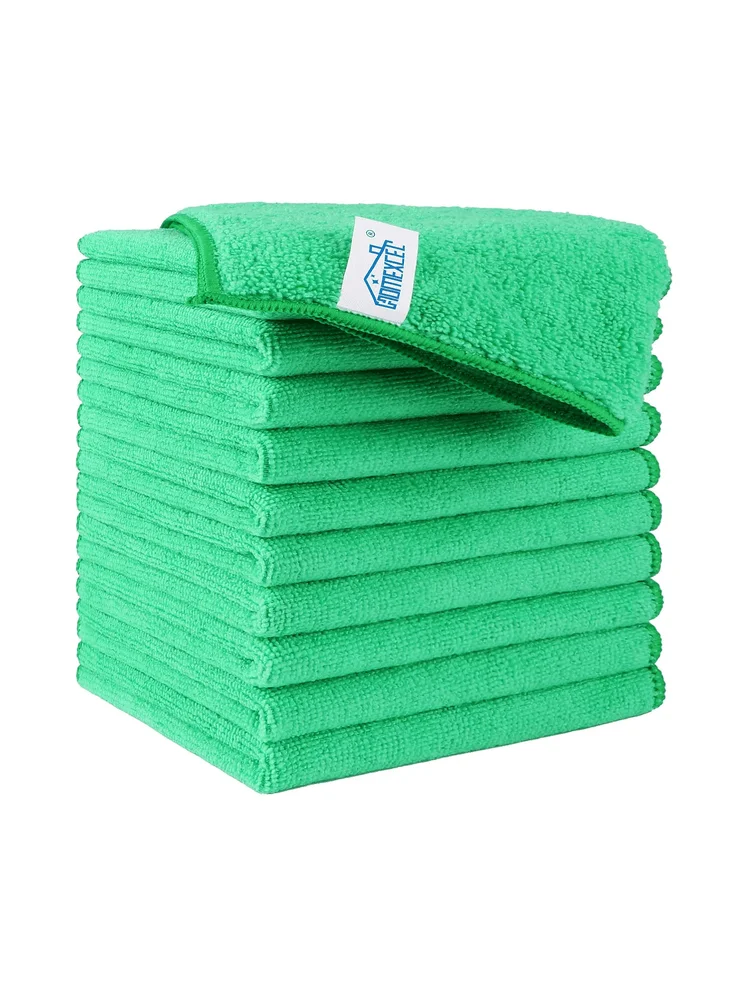
Kitchen textiles is its own category, but it’s a small one, so even though I reach for clean towels almost daily, anything that’s food-related goes into the same load. That means my greasy microfiber cloths do get washed with my cotton drying towels, along with oven mitts, linen napkins, and the seat pads for my counter stools (my kids somehow manage to trash them every week). Sure, it feels much more sanitary than intermingling panties and pot holders, but without proper prep and the right products, everything comes out of the dryer with a subtle stale-grease stench—and it seems to intensify the longer clean towels sit in the drawer.
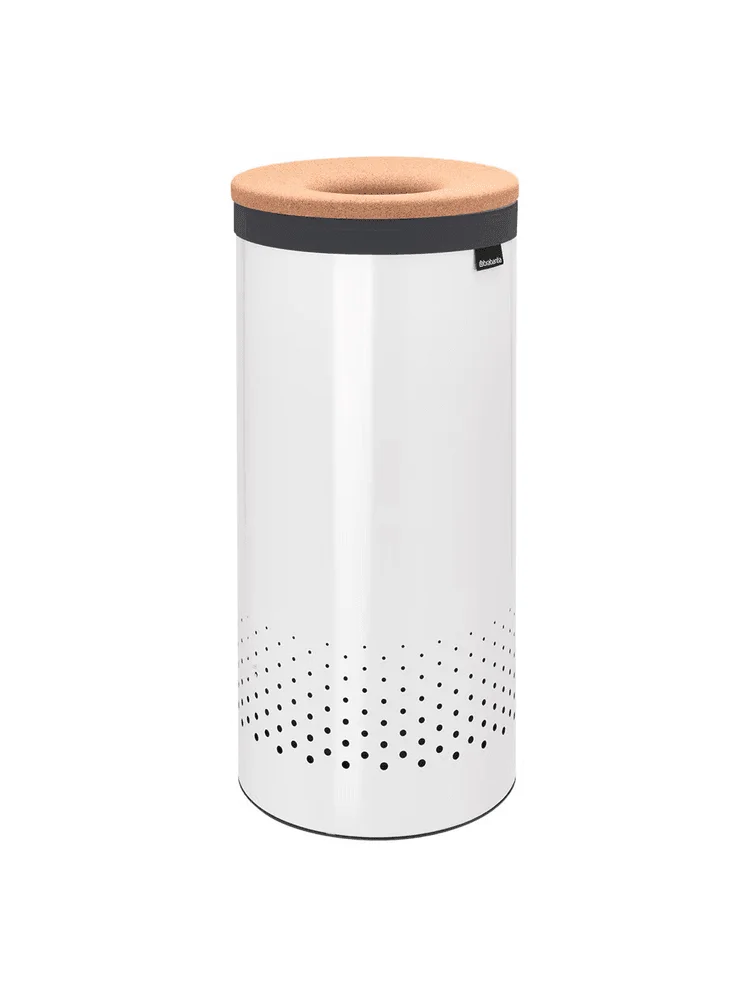
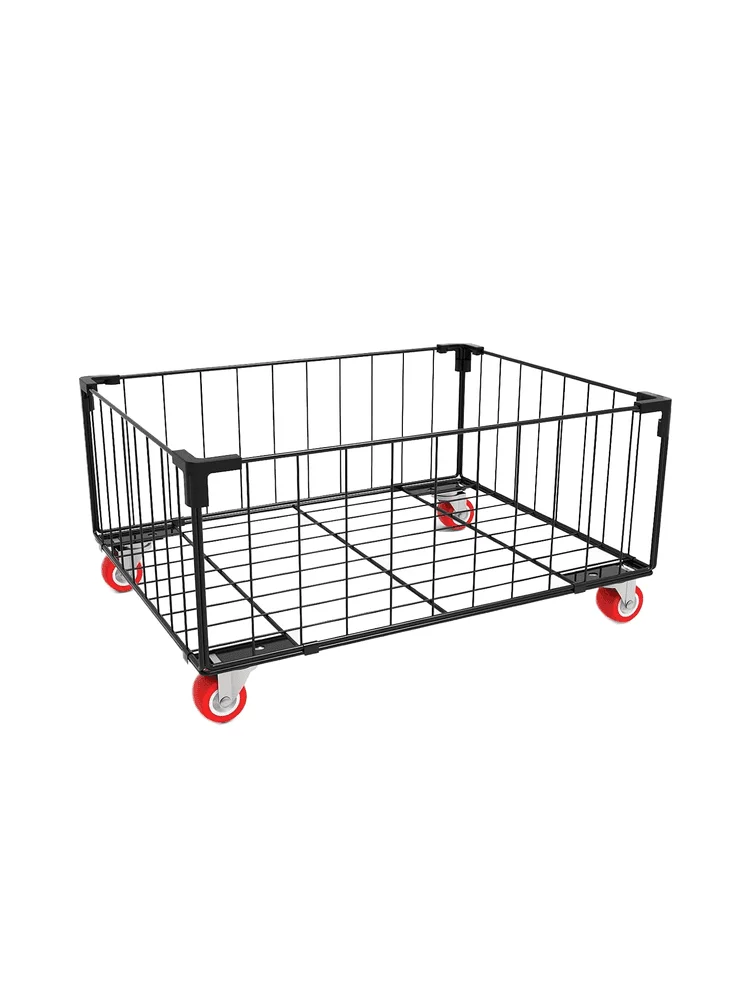
To ensure all of my kitchen linens smell fresh and stay that way, they need more than their own wash cycle—they need their own hygiene system. Admittedly, mine is a little extra (it includes a DIY two-tier hamper and a moisture absorber), but there are a few small changes you can make to ensure your clean kitchen towels don’t stink.
Air-dry dirty towels
If you do nothing else, it’s imperative to let damp towels dry completely before tossing them into whatever basket or hamper you use—which should be separate from the rest of your dirty laundry, even if your setup isn’t as complicated as mine. Ideally, it should also be ventilated. Wet, soiled kitchen towels are a breeding ground for mold and bacteria, and you don’t want to encourage any kind of growth.
Use a powerful enzyme detergent
While “natural” and “free and clear” detergents may seem like a good idea for kitchen linens, they don’t do much to break down grease and grime. And scent boosters and essential oils only mask odors for a while, and over time, they also contribute to the gunky buildup that’s giving your towels that not-so-fresh feeling. So the next best thing you can do for your kitchen towels is to use products that will not only deodorize them, but also break down the grease and grime in the fibers.
One way to do this is to soak your towels in vinegar before you wash them, then add baking soda to every load. But a much easier way to do this is to use a laundry detergent with enzymes that target odors and oils. I’ve found, though, that while all-purpose detergents containing enzymes helped some, I still had to soak my towels in vinegar every few months to completely remove lingering odors.
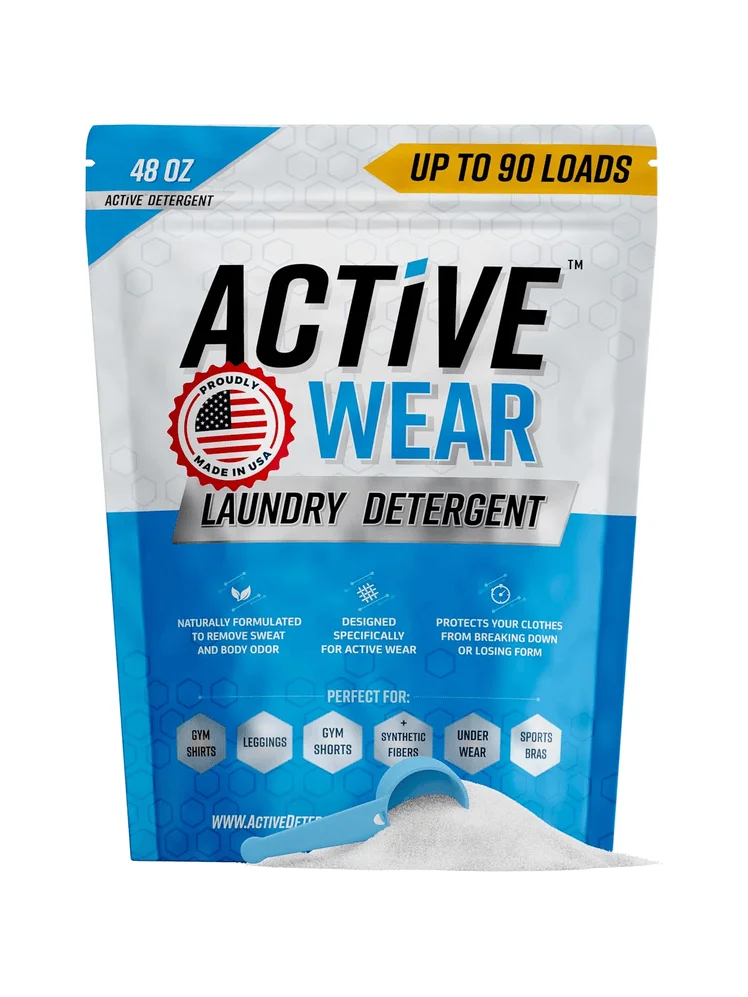
Then, about a year ago, I got the idea to use my Laundress activewear detergent on those smelly kitchen towels. I had no doubt it would work well; the enzyme blend successfully broke down sweat, body oils, and whatever product (sunscreen, deodorant, lotion, etc) transferred from my skin onto my leggings and sports bras, so I was sure it could handle some cooking oils and musty odors too.
I was right, and it smelled really nice to boot. In fact, my kitchen towels have never smelled fresher. Even my grimiest microfiber cloths come out smelling nice and they stay that way until I use them again—no quarterly vinegar soaks required.
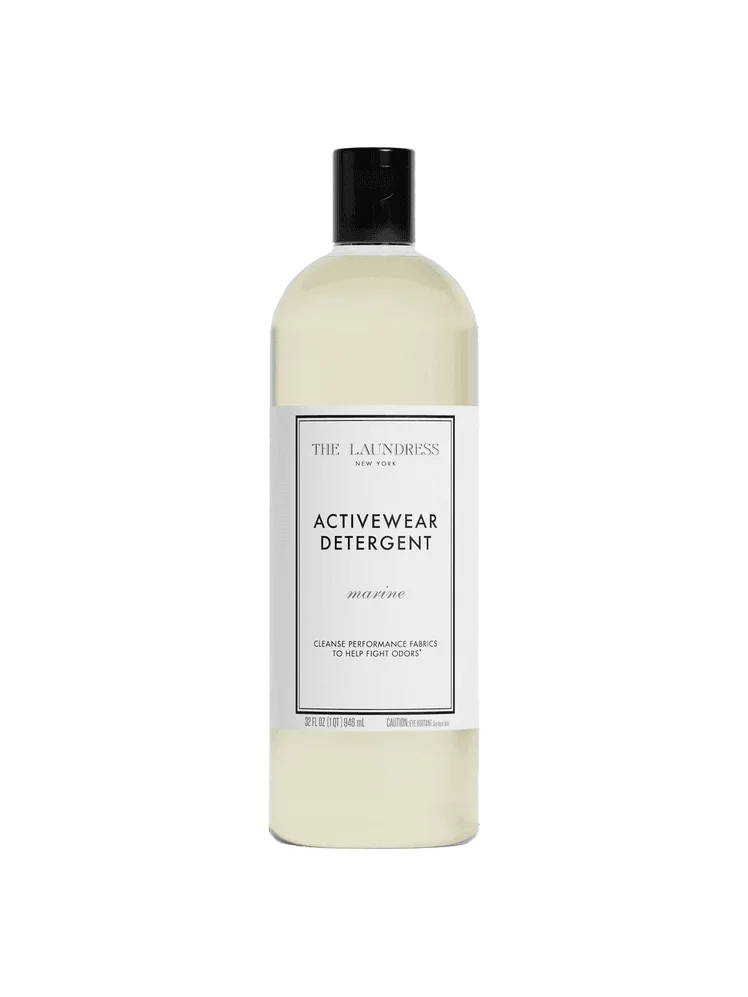
If you’re not as into fancy smells as I am, an unscented activewear detergent with enzymes should do the trick too. And no matter how fresh they smell, it’s a good idea to replace your kitchen microfiber cloths about once a year because the more raggety microfiber gets, the less effective it is at removing contaminants from a surface.