The Best Loaf Pans for Bakery-Quality Bread at Home
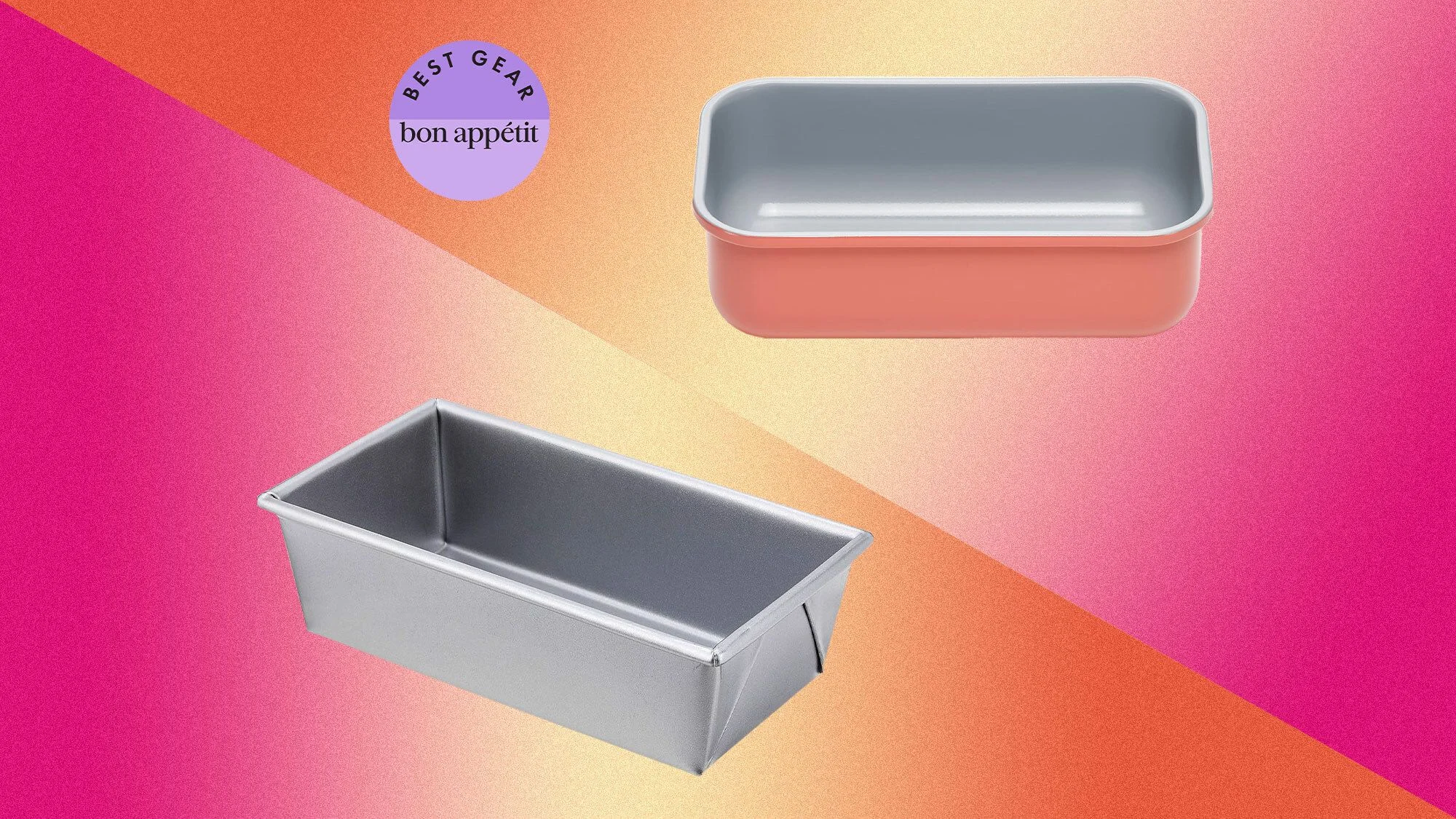
They say don’t judge a book by its cover, and, similarly, you shouldn’t judge a pan by its name. Take the loaf pan, one of the most versatile pieces of bakeware, that goes beyond baking bread to cook meatloafs, pound cakes, small casseroles, and even homemade ice cream. But choosing the best loaf pan to bring home can be tricky. For starters, these pans come in a variety of materials, making it difficult to know which one will suit your cooking style. And just because two brands describe their pans as being “1-pound” doesn’t mean they’re both the same size. With so much to consider, where do you begin?
Don’t worry. We’ve put dozens of loaf pans to the test. No matter your needs, price point, or other preferences, we’ve picked pans that deliver on all fronts. Whether you’re whipping up a crusty sourdough loaf or a springy banana bread, you’ll find that these pans are durable, cook evenly, and easy to clean.
New in this update: Contributor Adam Campbell-Schmitt tested six additional loaf pans: two from Sur La Table at different price points and profiles, a high-end stainless-steel loaf pan from Hestan Culinary, a very affordable ceramic-coated carbon steel pan by Martha Stewart, a nonstick aluminized steel USA Pan, and a beefy Staub cast-iron pan.
Our top picks:
- Best loaf pan overall: Chicago Metallic Commercial II Uncoated Loaf Pan
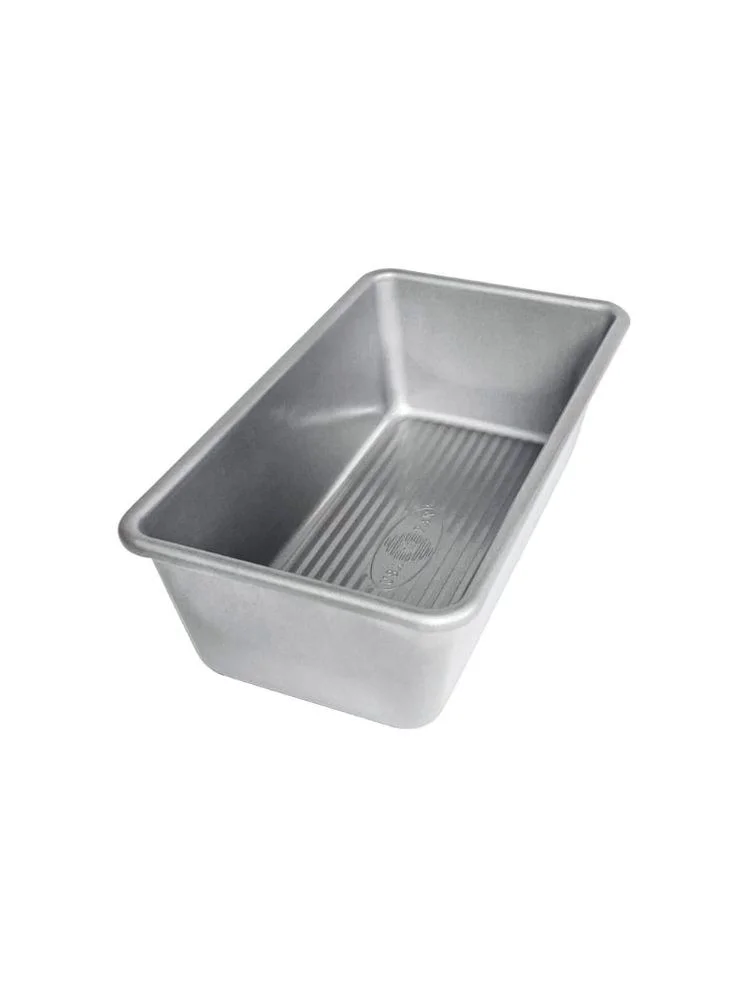
- Best nonstick loaf pan: USA Pan Seamless Nonstick Standard Bread Loaf Pan
- Worth the splurge: Caraway Nonstick Ceramic-Coated Loaf Pan
- Best nonmetal loaf pan: Le Creuset Heritage Loaf Pan
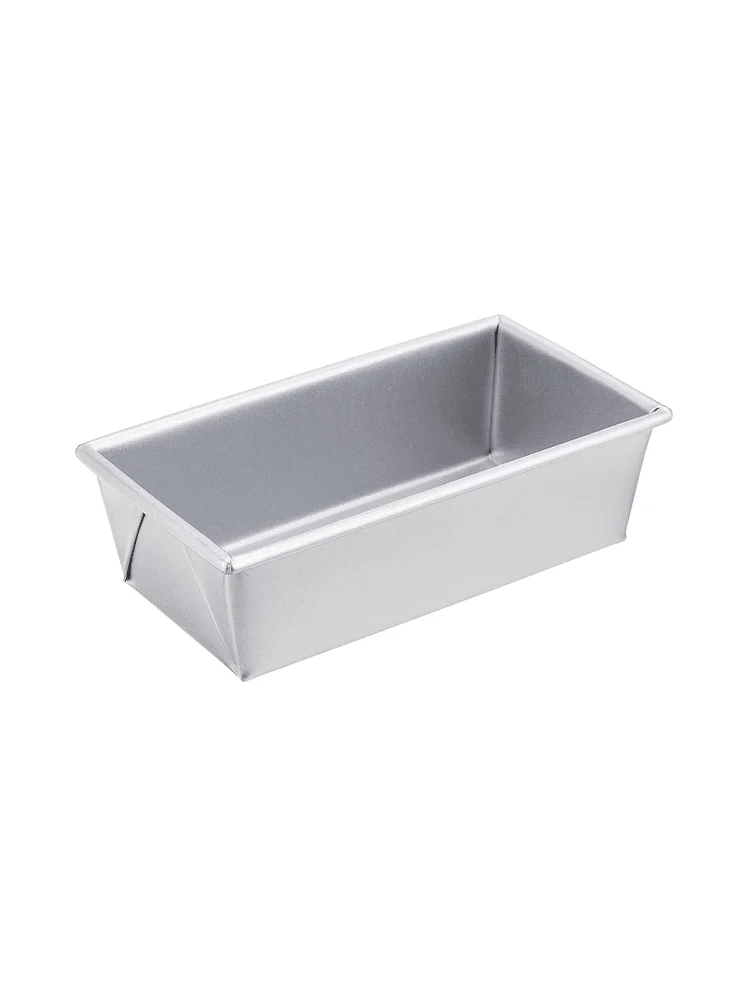
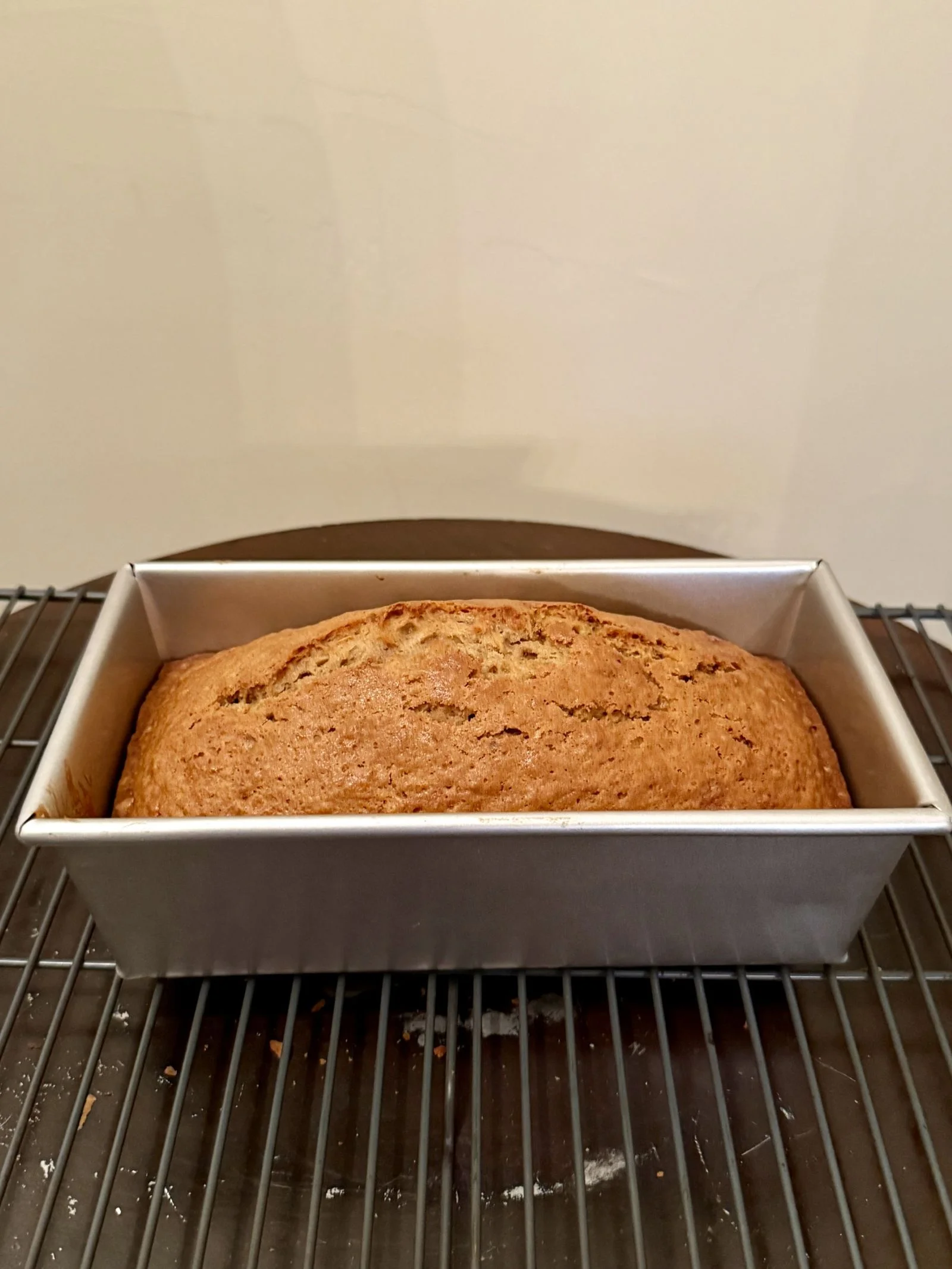
Best loaf pan overall: Chicago Metallic Commercial II Uncoated Loaf Pan
Pros and cons
Pros
- Lightweight
- Even browning
- Perfect rise and release
- Sturdy construction
- Affordable
Cons
- No handles
- Folded edges can trap crumbs and moisture
Specs
- Size: 8.5" x 4.5" x 2.75"
- Material: Alloy steel, uncoated
- Temperature range: Up to 450°
- Dishwasher-safe: No
The professional-grade pan is crafted from sturdy aluminized steel that conducts heat evenly for beautiful browning, and its narrow shape and high sides produced a perfect rise in our tests. At just $14, this isn’t just the best overall loaf pan we’ve tested, but a budget-friendly one too.
What we love: This commercial-grade pan may not look fancy, but it definitely understands the assignment. Both of the loaves we baked in our tests were evenly browned along the sides and bottom, with no dark patches or variations in color. The crust on the whole wheat loaf had an excellent toasty crunch and was especially delicious. We were also impressed by the moist crumb of both breads; neither had any areas of dryness or gumminess.
But what really wowed us was how easily and cleanly the loaves released from the pan. As the name implies, the Chicago Metallic Commercial II Uncoated Loaf Pan does not have a nonstick coating, but a generous spray of nonstick cooking spray helped the bakes slide out with no problem (parchment paper will also do the trick if you don’t like spray). There were only a few specks of crumbs left behind, which made hand-washing effortless.
What we’d leave: We really wish the pan had handles to make it easier to take the loaf out of a hot oven and flip it onto a cooling rack. Despite the rolled rim, trying to get a good grip on the hot pan with kitchen towels or oven mitts was a little challenging. While cleaning is easy, the pan’s folded edges require a bit of extra attention since crumbs can get trapped inside. The pan should also be thoroughly dried after handwashing, because those folded edges can also hold on to moisture and encourage rusting.
Best nonstick loaf pan: USA Pan Seamless Nonstick Standard Bread Loaf Pan
Pros and cons
Pros:
- PTFE-free nonstick coating
- Benefits of aluminized steel
- Affordable
Cons:
- No handles
- Hand-wash only
Specs
Size: 8.5" x 4.5" x 2.5"
Material: Aluminized steel, silicone
Temperature range: Up to 450º
Dishwasher-safe: No
What we love: In metal loaf pans, there are two main categories: molded and folded. For an example of folded, see the Chicago Metallic pan above, which features a crisp origami-like construction from a flat sheet of metal. For molded, we love this USA Pan option that is pressed, stamped, or otherwise molded from steel with its lack of any creases or crumb-catching crevices and rounded corners.
If you’re all about ease, this is the loaf pan for you. In addition to the added insurance of a silicone nonstick coating like the folded USA Pan we like below, this molded pan has gently rounded corners that make washing and wiping it down quick and easy. Browning was even and the heat transference caused superior ovenspring in both the wheat and zucchini breads. The dimensions also helped achieve a satisfyingly square-r sandwich bread, and, though the distinction is slight, it has a bit more corner definition than the rounded pans below, including those sleek, photogenic models from Caraway, Oxo, and LeGourmet.
USA Pan’s molded loaf pan is like a happy medium between user-friendly features and professional-looking results. It is a couple bucks more than Chicago Metallic, but it’s worth it to ensure you don’t have to grab a toothpick to pry every last crumb from the corners.
What we’d leave: If I’m nitpicking (which I am paid to do), the edges of my zucchini bread got a little too far over the chewy line. However, I should note that I was baking these to at least the minimum time suggested by the recipe. Every pan has a learning curve. Having baked over a dozen loaves side by side, I’ve been converted to the crisp corners of folded pans for overall aesthetics, but that may not be an issue for you.
Even in the relatively short time I used it, this pan did exhibit one longevity red flag, or should I say “rust-colored” flag. Many of these metal pans have a rolled rim, sometimes over a rectangular frame of steel wire, and while this is great for structure and strength, it also creates areas under the rim for water to accumulate and rust the exposed metal. Some pans have drainage or ventilation holes punched in the rim to alleviate this, but USA Pan’s doesn’t and was already showing some discoloration in those hard-to-see crevices. I’m keeping an eye on it for now.
Worth the splurge: Caraway Nonstick Ceramic-Coated Loaf Pan
Pros and cons
Pros
- Excellent heat distribution
- Slick nonstick coating left no crumbs in pan
- Easy to clean
Cons
- Sharp utensils can damage nonstick coating
- Pricey
Specs
- Size: 8.5" x 4.5" x 2.75"
- Material: Aluminized steel, ceramic coating
- Temperature range: Up to 550°
- Dishwasher-safe: No
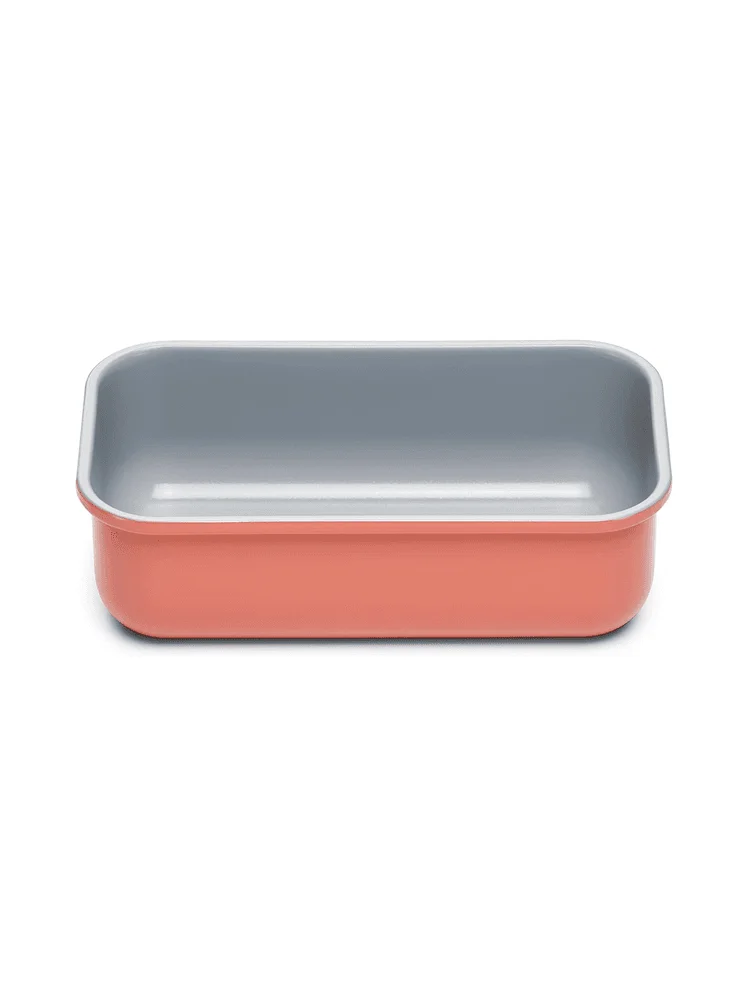
It may be on the pricier side, but Caraway’s Nonstick Ceramic-Coated Loaf Pan makes baking a breeze. Crafted from aluminized steel, the beautifully designed pan has a slick ceramic coating that ensures an effortless release and cleanup. It also conducts heat like a champ, yielding gorgeously golden, bakery-quality loaves. And did we mention that the pan comes in a range of beautiful colors?
What we love: Caraway’s loaf pan seems to have been designed with the home baker in mind. It’s easy to handle, it has rounded edges for better cleaning, and its slick nonstick interior is a game changer when working with sticky doughs and batters. We could tell just by looking at its slick surface that our loaves wouldn’t stick, and we were right—they fell right out of the pan when we flipped it over, with not a trace of a crumb remaining. The aluminized steel distributed heat evenly, giving each loaf a perfectly browned finish, and when it came time to clean the pan—well, we honestly felt like we didn’t need to because the interior was so spotless. But after a quick rinse in soapy water, we were done.
Another thing we love about Caraway’s Nonstick Ceramic-Coated Loaf Pan is that it comes in so many beautiful colorways. It’s so pretty, in fact, that it almost doubles as decor. You’ll definitely want to show this one off at your next potluck or holiday gathering.
What we’d leave: Though the pan is built to last, it needs to be handled with care, since sharp or abrasive objects can scratch the colorful exterior and nonstick interior. And again, this pan is pricey. While we think it’s worth the splurge, you can find similar pans that give Caraway a run for its money and cost nearly half as much (see this one from LeGourmet farther down).
Best nonmetal loaf pan: Le Creuset Heritage Loaf Pan
Pros and cons
Pros
- Scalloped handles for a comfortable grip and easy lifting
- Superior heat distribution for even cooking and browning
- Scratch- and stain-resistant nonstick enamel glaze
- Safe for use in the oven, broiler, freezer, and microwave
- Dishwasher-safe for easy cleanup
Cons:
- A little heavy
- Breakable
- Pricey
Specs
- Size: 9.1" x 6.7” x 2.8"
- Material: Stoneware, enamel coating
- Temperature range: Up to 500°
- Dishwasher-safe: Yes
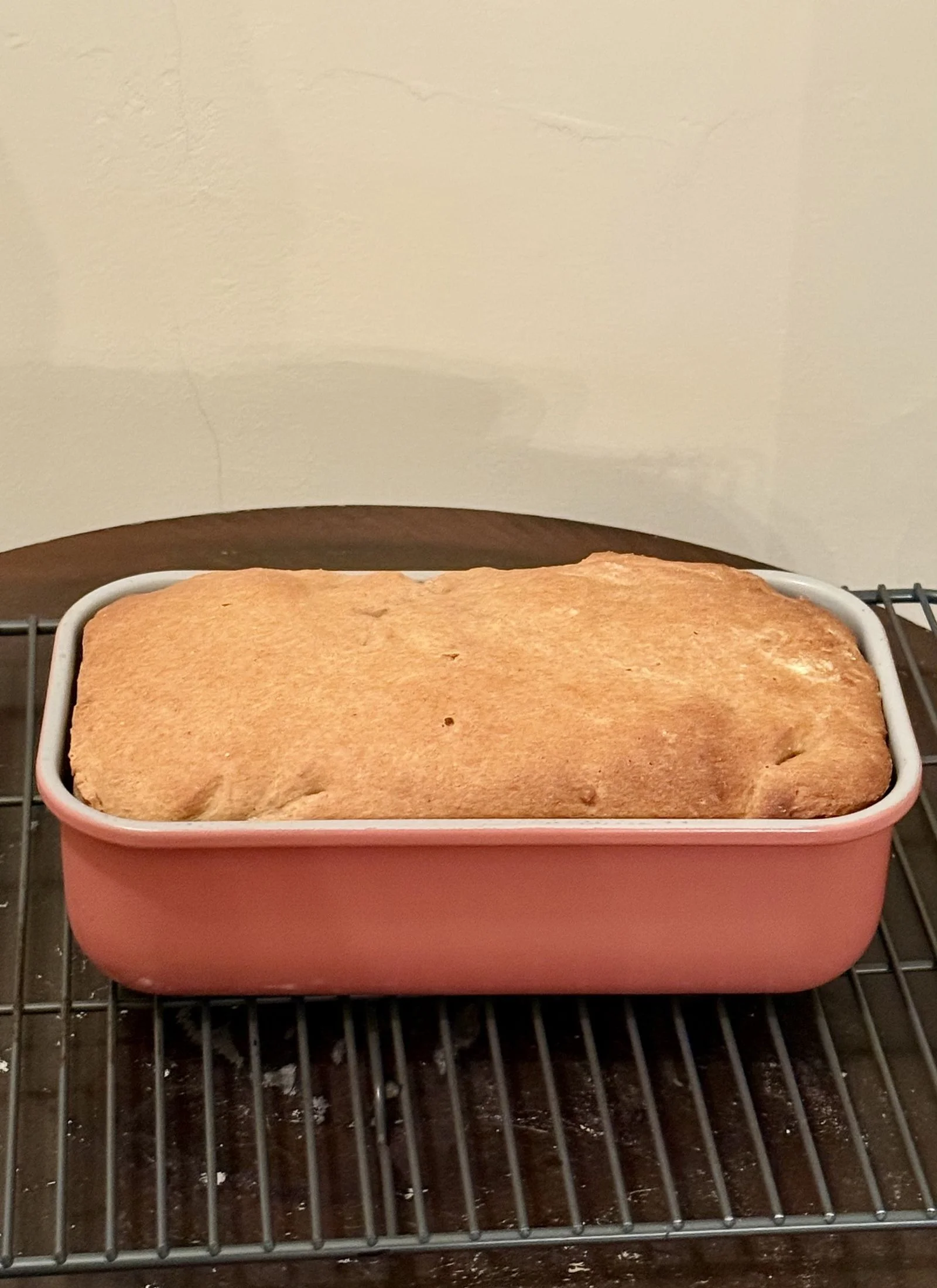
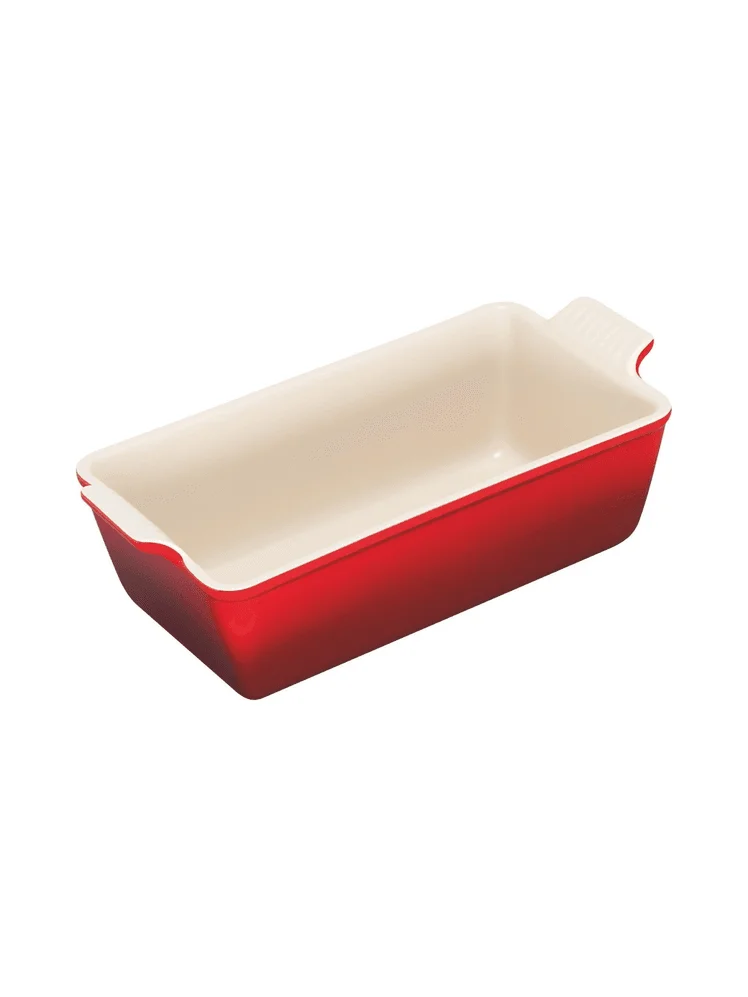
Slightly larger—not to mention heavier—than our two other top picks, the Le Creuset Heritage Loaf Pan delivers the top-notch performance you’d expect from the beloved French brand behind the iconic Dutch oven. Made from sturdy stoneware, the loaf pan has excellent heat distribution and features a glaze that resists scratches and stains, and it turned out to be pretty nonstick too. It also has generous handles to make the pan easy to transport from the oven to a cooling rack or straight to the table. Best of all, it’s dishwasher-safe for effortless cleaning.
What we love: The Le Creuset Heritage Loaf Pan did a superior job at baking both breads. The whole wheat loaf had deliciously crusty sides and ends with a pleasantly dense crumb that was moist throughout. The zucchini quick bread yielded similar results with crunchy, caramelized edges that were perfectly browned and not burnt. Though a few crumbs from the whole wheat loaf stuck to the pan upon release, the zucchini bread came out clean. The Le Creuset Heritage Loaf Pan is dishwasher-safe, but we hand-washed it instead using a sponge and soapy water to swiftly wipe away any residue.
We also need to give Le Creuset a shout-out for those scalloped handles, which provided a secure grip when maneuvering the heavy pan around the kitchen. Getting the loaf out of the oven and turning it onto a cooling rack was effortless, thanks to these little helpers.
What we’d leave: The main downside of this pan, besides the added weight, is that it can break or chip if dropped, so be careful transporting it to and from the oven. And, as with the Caraway loaf pan, avoid using sharp or abrasive objects on the pan since they may scratch the nonstick glaze.
How we tested loaf pans
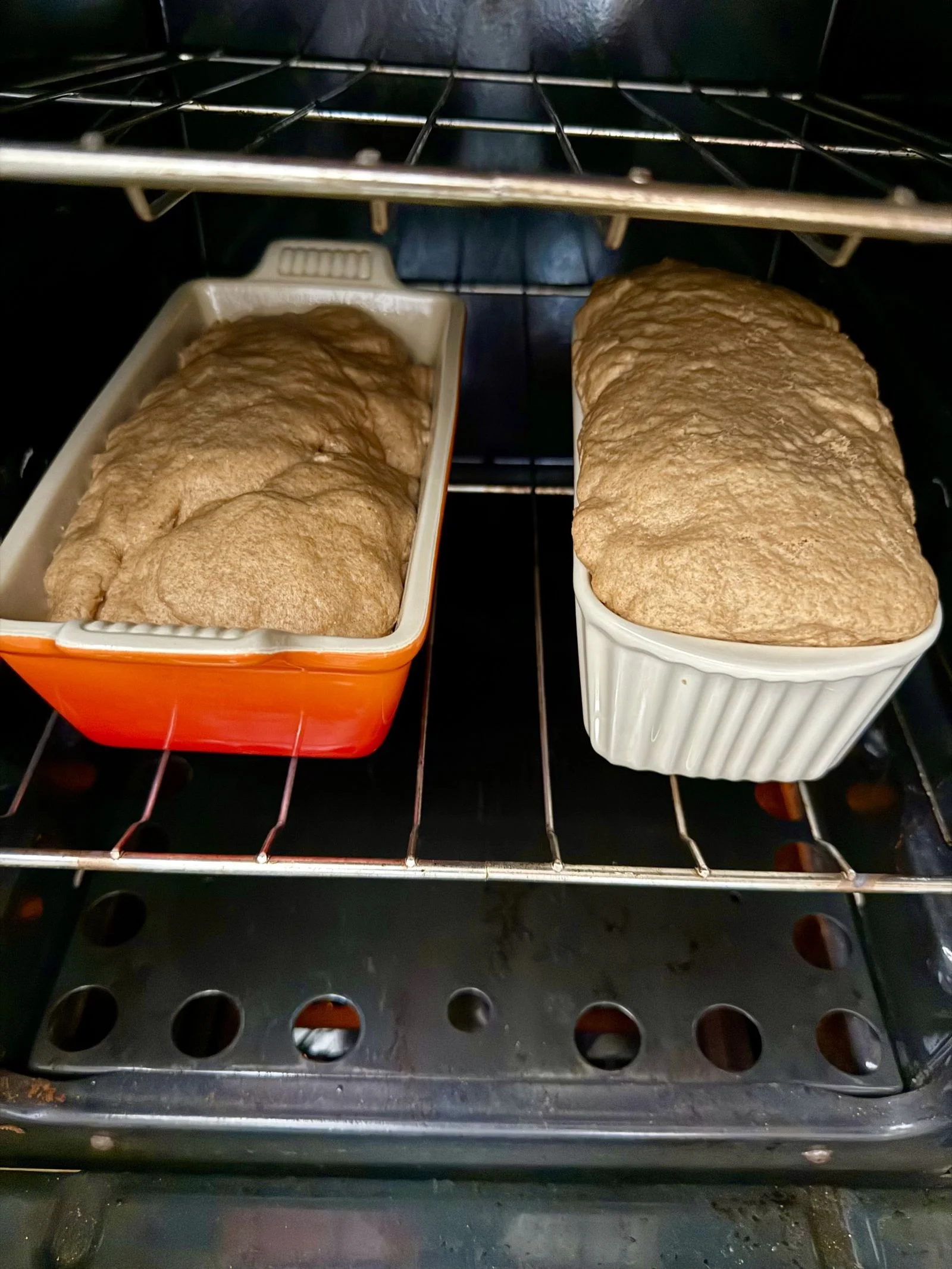
We baked two kinds of bread using one-pound loaf pans in a variety of materials, including aluminum, carbon steel, cast iron, stainless steel, glass, and stoneware. Each measured approximately 8.5 x 4.5" or 9 x 5", with some slight variations in dimension, and we limited our selection to nontoxic pans that were PTFE/PFOA-free (that’s why Williams Sonoma’s popular Goldtouch Pro Nonstick Loaf Pan is not on our list).
Before adding any dough or batter, we gave the pans a spritz of nonstick cooking spray. While baking, we placed them on the middle rack of the oven to ensure even heat distribution. We also used an oven thermometer to monitor temperature so we could say whether that stayed consistent across tests.
- First, we made a whole wheat yeast-risen bread recipe from King Arthur Baking Company to determine how well and evenly the pans browned the loaves.
- Next, we made this zucchini quick bread from James Beard. We chose this recipe to test how well the loaves released from the pan because baked goods with high sugar content are prone to caramelization and sticking.
- For de-panning, we (at most) ran a small offset spatula along the edges of all loaves before turning them out of the pan and onto a cooling rack. Some needed more help than others, and some needed no help.
- We hand-washed all of the loaf pans after baking, even if they were marked dishwasher-safe.
What makes a good loaf pan
Material
Like muffin pans, baking sheets, and most other essential bakeware, loaf pans are available in a variety of materials, including aluminum, stainless steel, aluminized steel, stoneware, glass, ceramic, cast iron, carbon steel, and food-grade silicone. Metal typically gives the best results, and aluminum is especially good for baking bread and cakes, since it heats quickly and gives loaves a higher rise and crisp edges. It’s also very durable. Carbon steel has also popped up more often in recent years, usually covered in a ceramic coating for nontoxic, nonstick purposes.
Keep in mind that darker metal pans mean a darker loaf: Dark pans absorb and distribute heat more quickly than lighter ones and may require closer monitoring and even temperature adjustments that alter what a recipe calls for. You may also want to reconsider that Pyrex glass loaf pan, because glass is breakable, heats slowly, and can cook unevenly, resulting in a loaf that’s overcooked on the outside and not quite cooked inside. Finally, since 100 percent silicone pans aren’t the best at browning, we suggest avoiding them altogether.
Size and shape
Loaf pans come in many different weights and sizes, including special bread loaf pans like the Pullman pan. But the standard loaf pan measures around 8.5 x 4.5" and has the capacity to make a one-pound loaf. It’s not uncommon to also see 9 x 5” pans listed as “1 pound,” however taller, narrow pans contribute to a higher rise than wider pans, so they’re better suited for baking sandwich bread, whereas a squatter, wider pan might be just fine for quick breads like a blueberry, poppy seed, or banana bread, and non-bread applications like meatloaf.
Loaf pans may have square or rounded edges, often that has to do with whether they are stamped/molded, or made from folded metal. Each has its pros and cons: Rounded edges are usually easier to clean and assist with the easy release, but aesthetically and texturally you may want the sharp, crisp corners of a squared pan. And if you want a loaf pan that you can effortlessly get in and out of the oven and turn out onto a cooling rack, opt for one with handles.
Easy clean up
The best loaf pans should never leave you in a sticky situation. Folded pans, with creases in their corners, will undoubtedly be a little tougher to de-crumb compared to stamped, pressed, or molded pans. Either way, we think a good loaf pan should require minimal scrubbing. Many pans have some kind of nonstick coating to release loaves easily and make cleaning a breeze. Some brands produce loaf pans that are dishwasher-safe for added convenience, while others recommend hand-washing the pan with warm, soapy water and a sponge to preserve its nonstick coating.
The nonstick loaf pans we have tested and recommended all employ either ceramic or silicone coatings. (Be sure to check the manufacturer’s website to see what the coating is made of; some use PTFE, which is part of a larger group of forever chemicals that have been linked to a range of health concerns. We’ve stopped recommending any cookware that uses them if comparable alternatives are available.) While these nonstick pans are convenient, care should be taken when stacking for storage to not scratch or otherwise wear down the surface.
Others loaf pans we liked
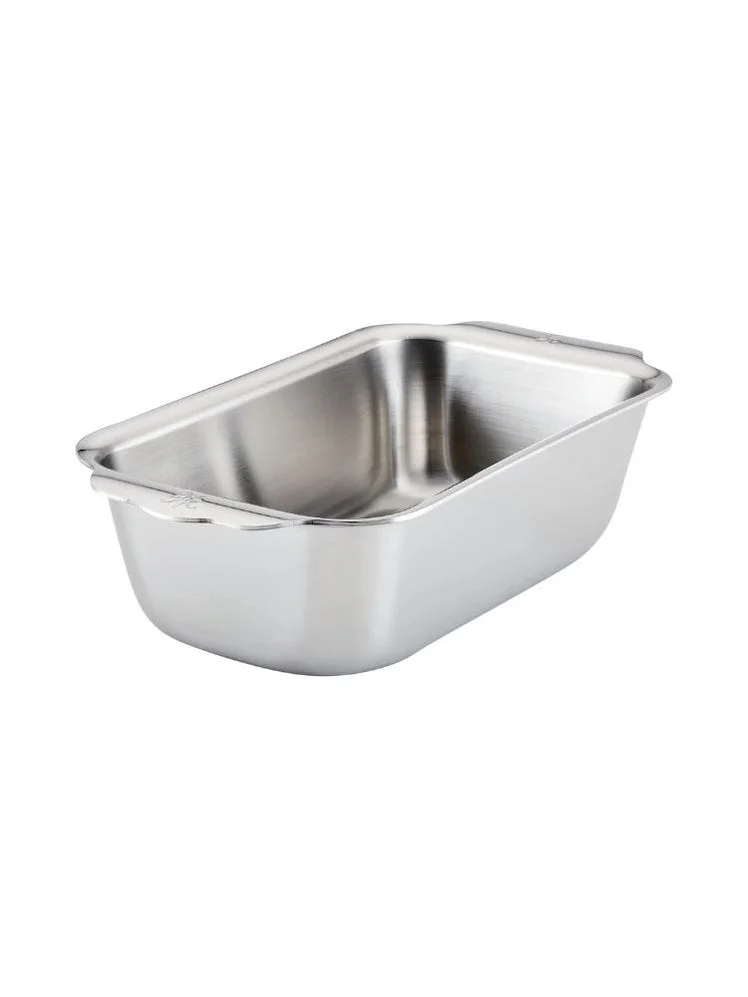
Let me get one thing out of the way: Hestan’s 1-pound loaf pan is 9 x 5", so it started at a bit of a deficit going in. And, due to its thicker construction, lackluster crust formation on the wheat bread combined with a squat, rectangular loaf didn’t make things any better. But stainless-steel loaf pans are actually pretty few and far between, and Hestan is known for quality cookware, so I didn’t want to discard it outright.
The zucchini bread test yielded one of my favorite loaf shape results of any pan I tested, but again that toothsome golden exterior just wasn’t there. Okay, so it’s not a crust-crisping machine like some of the other, thinner pans. But’s a delight to use, easy to clean when properly greased, and even has handy handles. So, I gave it one extra, final shot with a no-knead sandwich bread recipe that better filled out the dimensions of the pan, and while (again) the super crispy crust wasn’t there, it did produce a perfectly pillowy loaf. With a tolerance of up to 600º, a lifetime warranty, and so many other savory uses, I’d consider this a splurge-worthy meatloaf pan.
If you’re leaning toward cast iron for its superior heat retention, Staub has its own sturdy, surprisingly elegant loaf pan, albeit a much pricier option than Lodge. But if you’re already a Staub stan, you’ll be pleased to know this pan passes the important tests of golden crust formation and pretty easy cleaning too. It features the company’s matte black interior, which doesn’t require any seasoning so it’s very user friendly, plus a glazed enamel bottom making it stovetop-safe (if you ever need to sauté something in it).
My zucchini loaf came out looking like the platonic ideal of quick bread, with a perfectly puffed up top corner to corner and well-browned (but not burnt) sides. The whole wheat loaf sunk in the middle (sometimes a function of slow heat transference, but it could also have been a victim of overproofing, i.e., my bad), however the crust was perfect and toothsome, giving way to a tender interior. Despite its heft, it has handles for easy…handling, and enough rustic charm to make the table as a serving dish. And here’s a phrase you don’t hear too often in relation to cast iron: It’s dishwasher-safe (though hand-washing is recommended).
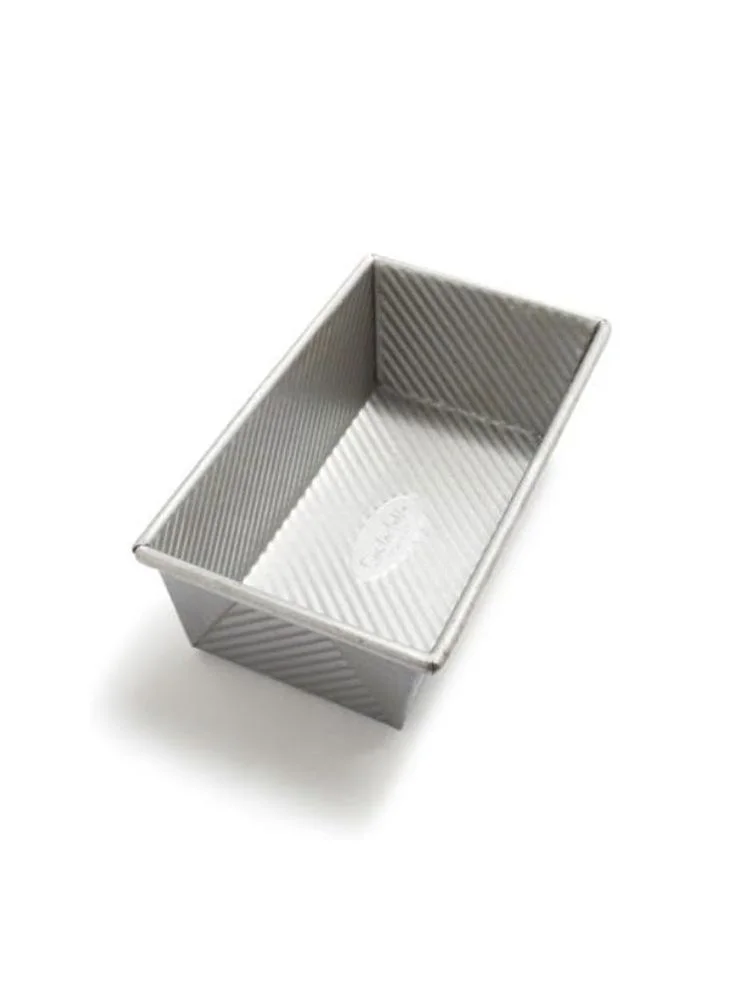
Stamped with the words “USA Pan” just under “Sur La Table,” this is a licensed pan for the Sur La Table brand made by USA Pan. And that’s a good thing. It has all of the same features as USA Pan’s Small Loaf Pan above—aluminized steel walls, wire-reinforced rim, grooved texture for airflow, and an “eco-friendly” nonstick silicone coating—but with a higher price tag by almost double. I didn’t notice any major differences between them, except the diagonal direction of the texturing on this pan. Unless you truly love all things SLT, why not save a few bucks? All that said, based purely on the solid results it delivered, if you find this one on sale, I would absolutely recommend it.
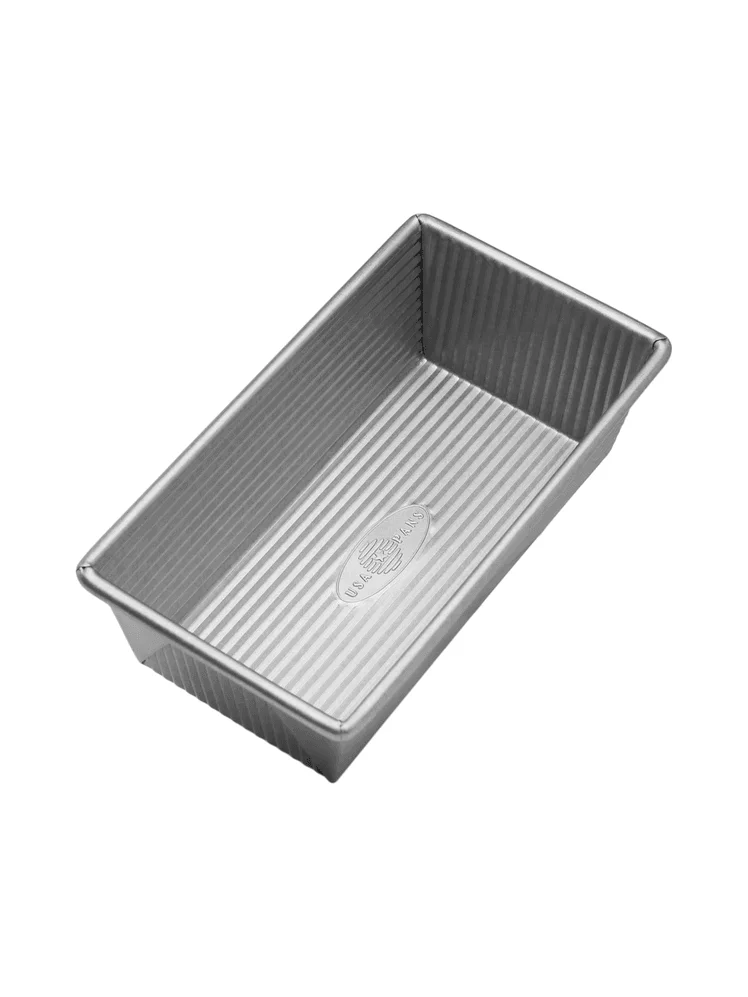
USA Pan’s Small Bread Loaf Pan was originally created for commercial bakers, so it’s no surprise that it passed our tests with flying colors. It baked evenly browned loaves, and the ridged interior and silicone coating made pan release effortless with hardly any crumbs stuck in the creases of the pan’s folded corners. Though this loaf pan isn’t dishwasher-safe, we found it relatively easy to clean by hand. And the icing on the cake? It comes with a lifetime warranty.
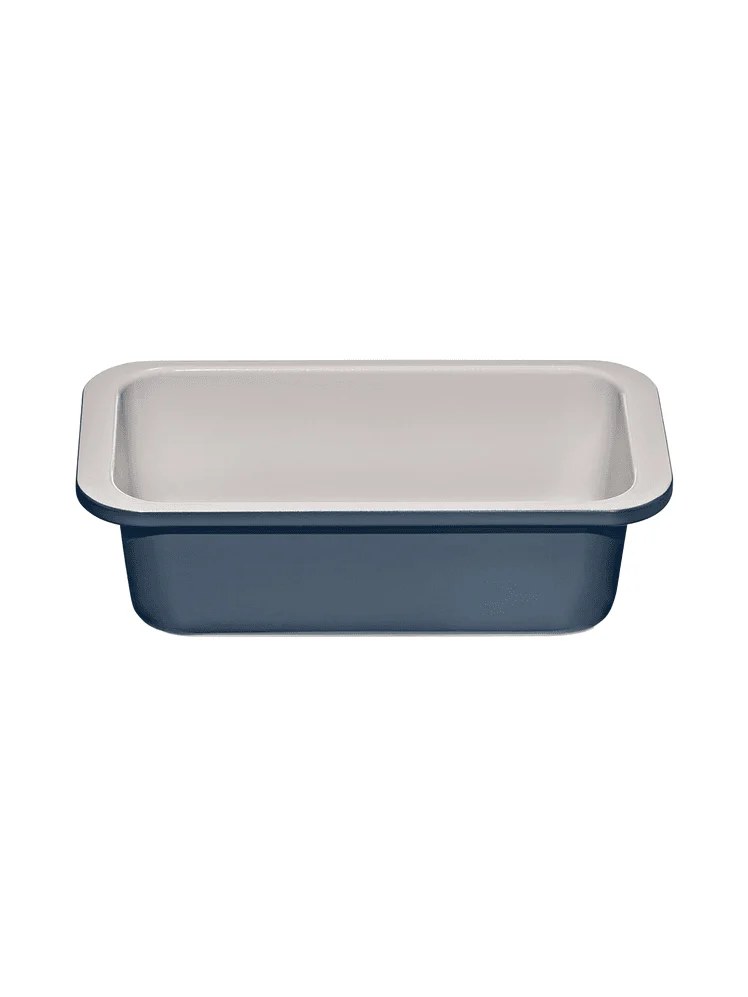
This loaf pan from Oxo was a joy to bake with thanks to its clever design. The extended rim provided a solid grip on the sides and ends of the pan, which was a game changer for getting it in and out of the oven. It also made turning out the loaves a snap. Both bakes glided out of the aluminized steel pan with no crumbs left behind, thanks to the slick ceramic coating. The Oxo Good Grips Nonstick Pro Ceramic-Coated Metal Loaf Pan produced beautifully golden brown breads, with the whole wheat loaf just slightly darker near one corner, though it was barely detectable.
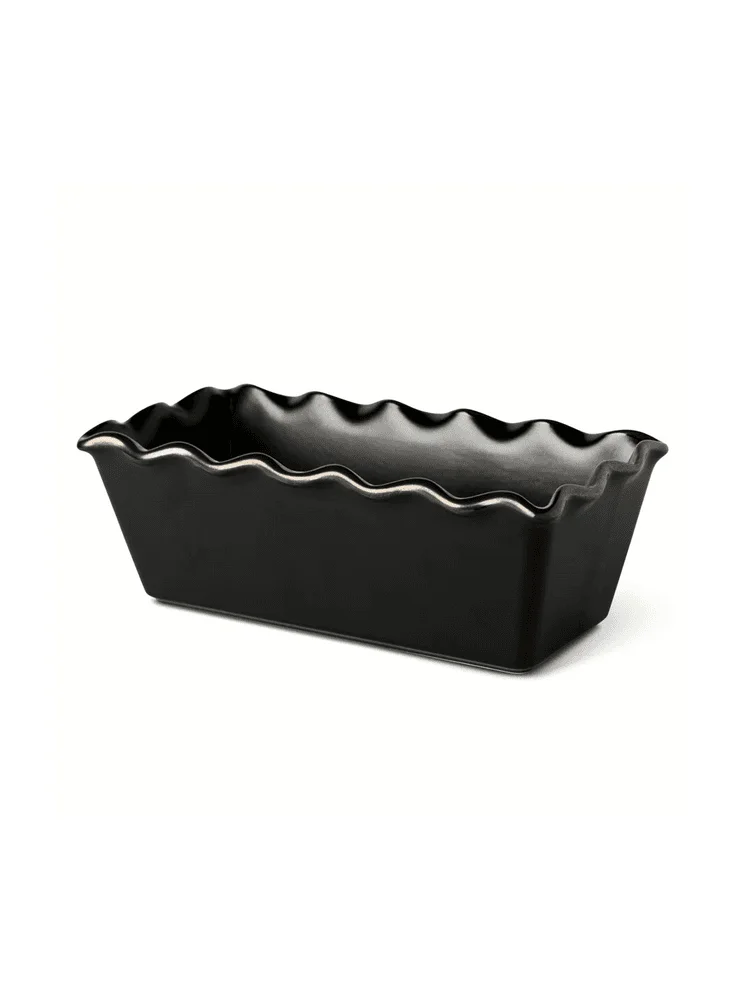
Thyme & Table’s 9" Ceramic Loaf Pan did a surprisingly good job with both breads. Each cooked through evenly and had a toasty browned crust. The whole wheat loaf rose all the way to the top of the fluted rim, making it a bit tricky to maneuver the offset spatula around the curves, but once loosened it slid out with very few crumbs stuck to the pan. The zucchini quick bread’s rise wasn’t quite as high, and it popped out with no problem. While this ceramic loaf pan is heavier than the metal versions we tested, we think it’s an impressive budget-friendly option at just $10—and it looks so fancy too!
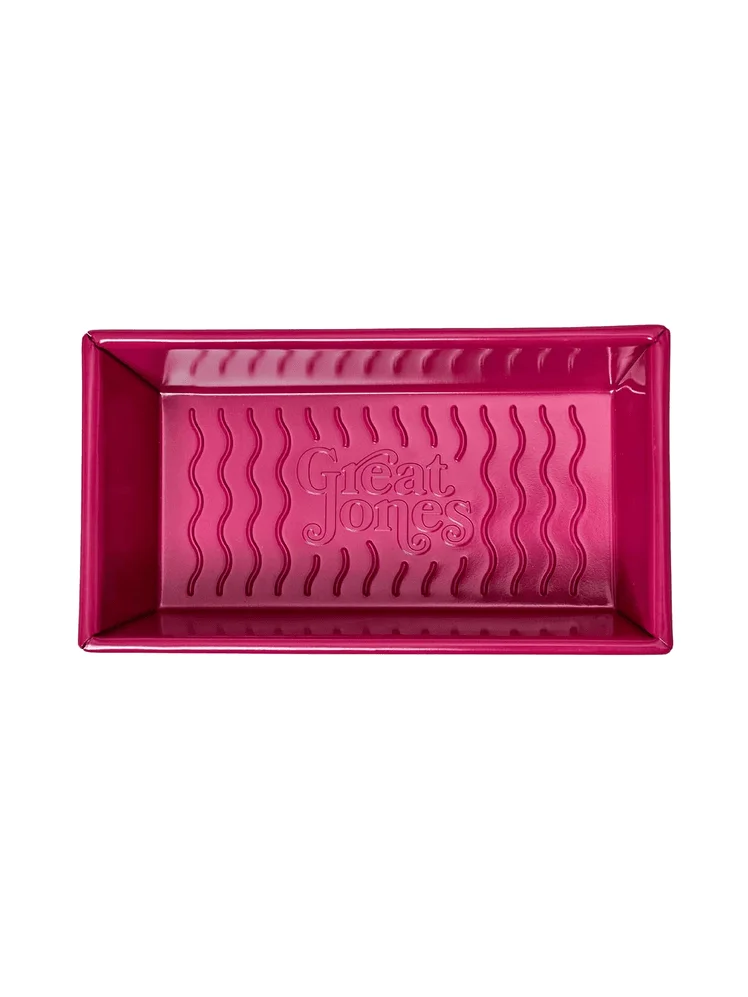
Popular cookware brand Great Jones has created another winner with the Breadwinner. The lightweight pan has a sturdy, folded metal design that gave our loaves a nice rise, and its nonstick coating and wavy corrugated bottom helped ensure that the breads didn’t stick. We tested the Raspberry color (it’s also available in Broccoli and Blueberry), and found that the sides and edges of the zucchini bread were a bit darker than the whole wheat loaf. That said, it didn’t affect the flavor at all, which is why this pretty pan still got a thumbs-up.
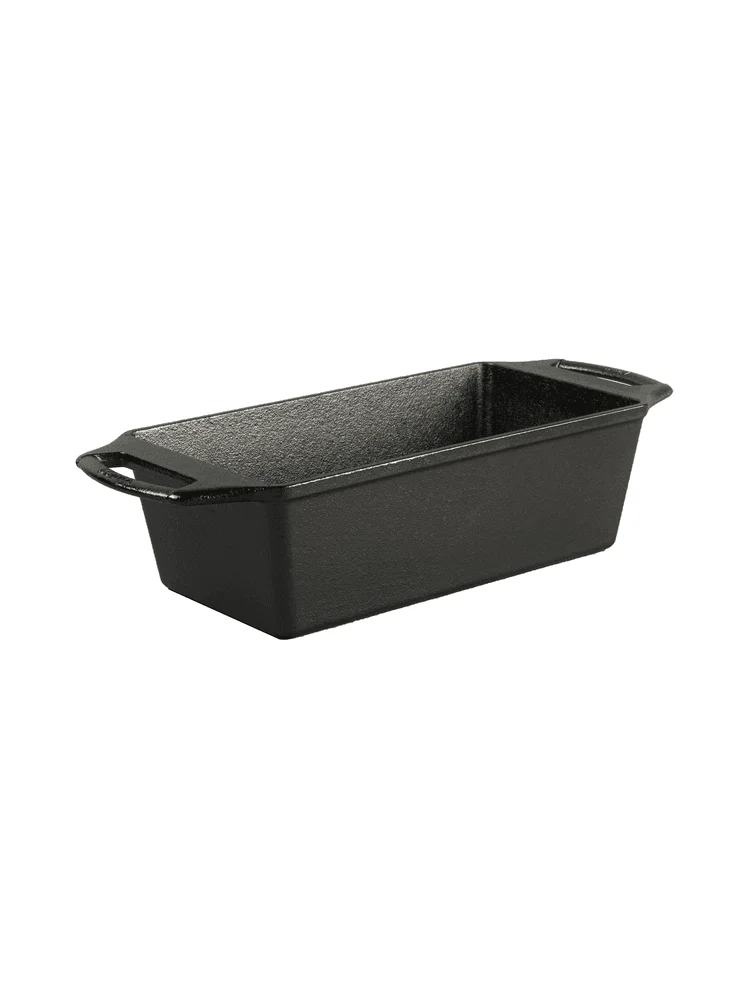
At 3.5 pounds the Lodge Cast-Iron Loaf Pan is very heavy, but it’s well worth the weight, according to our testers. The cast iron distributed heat evenly, producing some of the best-looking loaves we baked, and the naturally nonstick surface released both breads easily. Bonus points for the sizable handles, which were much needed, considering the pan’s heft. While the Lodge Cast-Iron Loaf Pan’s overall performance was excellent, our testers found it tricky to maneuver and also felt that having to occasionally season the cast iron might be an issue for some home bakers.
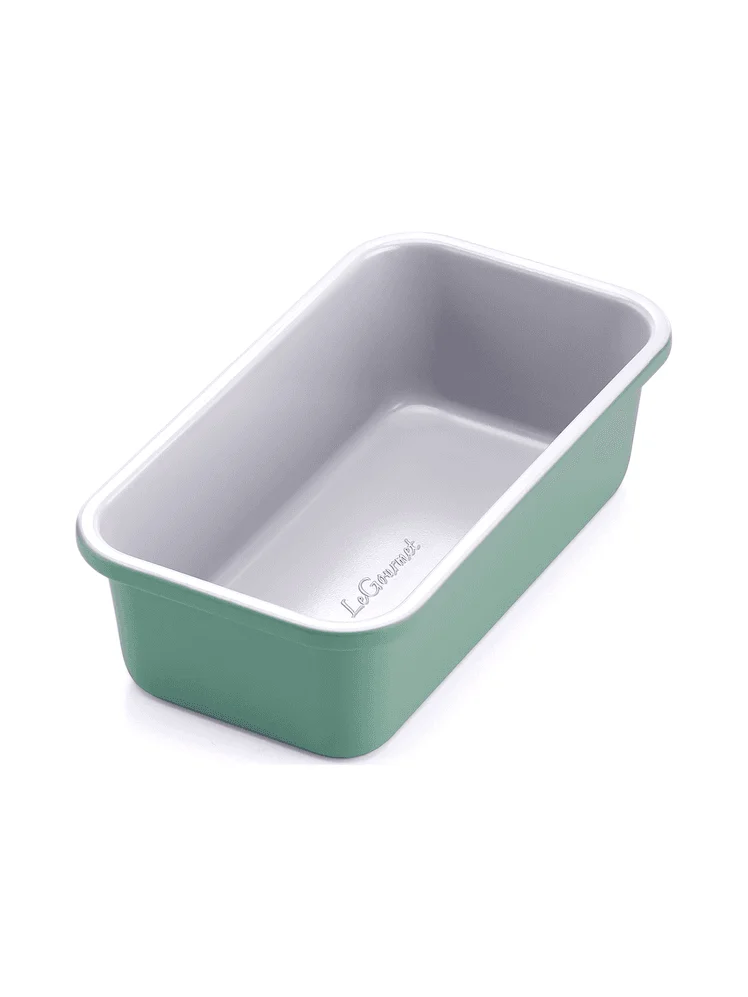
This little-known kitchenware brand is a rising star in the bread pan world, as far as we’re concerned. The LeGourmet Non-Stick Bread Loaf Pan looks similar to our splurge-worthy favorite from Caraway, and it performs nearly as well at a fraction of the price. Aside from the fact that both finished loaves were a little uneven in appearance, they cooked through evenly with a moist crumb and crisp sides and ends. Pan release was equally impressive—a quick flip freed the loaves and no residue remained in the pan.
Loaf pans we don’t recommend
This all-aluminum loaf pan proved to be very problematic for our testers. Both loaves were irregular in shape and browning, and because the NordicWare Naturals 1 lb. Loaf Pan has no nonstick coating, pan release was a big challenge. There was a lot of sticking, especially for the whole wheat bread, which cracked on both sides. Our testers also found this loaf pan very difficult to clean.
We liked the pan’s slightly larger size, and that it came with a lid, and we even liked how well the loaves turned out, with a great rise and golden brown color. What we didn’t like? Trying to get the loaves out of the glass pan. They both stuck and needed a lot of jiggling with the offset spatula to slide them out. A significant amount of crumbs stuck to the pan, so cleanup involved soaking and scrubbing. As a bread pan or cake pan, the Oxo Good Grips Glass Loaf Pan comes up short, but we think it’d be great for meatloaf or casseroles.
We had high expectations for Emile Henry’s très chic ceramic dish—honest, we did. It’s a true show-stopper, with an elegant design and oh-so-slight handles for easy lifting. At first, things seemed promising because both loaves of bread browned nicely. But there was quite a bit of sticking along the sides and bottom of the pan when the loaves were released. It took some elbow grease to get the pan clean. The whole wheat loaf’s center was also a little gummy and tasted slightly undercooked. Considering the brand and the cost of the pan, we expected perfection.
We’re big fans of Fat Daddio’s baking pans, but this anodized aluminum loaf pan yielded mixed results in both tests. While the whole wheat bread baked evenly, the crust was soft with no crunch. Because of the pan’s wider shape, the loaf wasn’t as tall, making it better for snacking than sandwiches. The zucchini bread baked much faster than the suggested baking times, and the sides and bottom turned a very dark brown. Despite using nonstick spray, there was significant sticking after turning out both loaves, and the pan needed to soak a while to get it clean.
Unlike Chicago Metallic’s aluminized steel loaf pan, the carbon steel version underwhelmed us. Since the metal is darker, we kept a close watch on both loaves to make sure they didn’t brown too quickly. The whole wheat bread fared well in our test, with a nice brown crust, but the zucchini bread had very dark, almost burnt patches along the loaf’s too-crisp edges and bottom. Though pan release and cleanup were simple, we recommend sticking with the aluminized steel version.
A casualty of side-by-side testing, this pan doesn’t completely deserve to be thought of in a negative light. Like Caraway and LeGourmet above, this tapered, carbon steel loaf pan from Martha Stewart brand has a slick nonstick ceramic coating and transfers heat well, browning and crisping the sides of loaves while allowing for a relatively even ovenspring on my zucchini bread.
Where it fell flat was as a non-sweet loaf pan. Due to its dimensions (it’s a 9 x 5" pan) my whole wheat loaf was flat, and every piece I cut felt more like half a slice of bread. Like the Sur La Table pan below, the bottom (outside) of the pan sowed scrapes to the coating after just a couple uses. If you like ceramic coating, go with Great Jones, which will yield more ideal dimensions for universal applications. That said, you can snag this pan for as little as $9. How much is the shape of your loaf worth?
Another near-dupe of Caraway, this ceramic coated, carbon steel pan from Sur La Table has that more straight-sided, rounded corner look, though it doesn’t come in an array of colors. It bakes pretty evenly, but I did notice some extra browning around the rim of my wheat bread with a blonder interior on top. It’s half the price of the LeGourmet pan (which was already our budget alternative to Caraway) at just above $12, but quality may be where you’re saving money. After one use, I already noticed some scuffs and scrapes on the ceramic coating from my oven racks. Despite its similar look to the straight-sided pans above, this one does taper a bit, so stackability in limited storage space situations is a factor worth considering.