How a More Casual Drinker Gets the Most Out of the Fancy Coravin Wine Preserver

All indications are that alcohol consumption is on a downward trend. For some, that means swapping boozy beverages out entirely for nonalcoholic beverages, but for others, myself included, that means simply drinking less frequently.
Enter what I call the Prosecco Problem (the “Champagne Conundrum” wasn’t alliterative enough). When you open a full-size bottle of bubbles but you and your partner only intend to have one drink a piece, you’re left with a few choices: Change your plans and just finish the bottle off in one night, attempt to preserve any leftovers for later, or, most unacceptable of all, dump what’s left. Sparkling cocktails can be even more of a challenge because they use even less wine per drink. What’s a weekend Aperol spritz drinker to do? What if I don’t want to throw a whole aperitivo party just to make sure no Prosecco goes to waste?
Somewhere along the line, I acquired a cheap, sparkling wine stopper. It’s a simple mechanism that kind of seals the uncorked opening with a spring-loaded rubber disc and wings that clamp down under the lip of the bottle to keep it snug and in place. After a couple days, though, the contents of the bottle became noticeably flat.
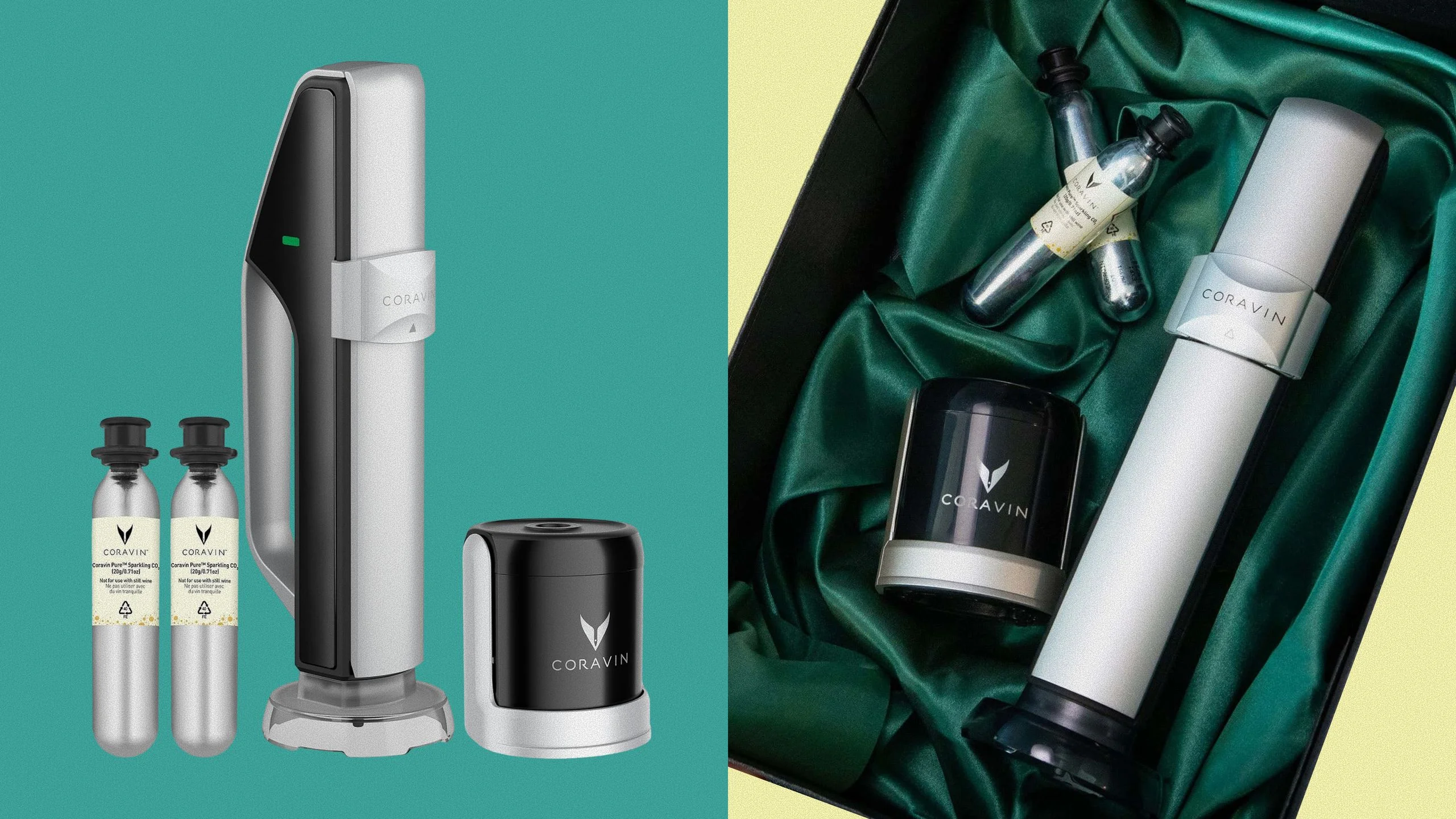
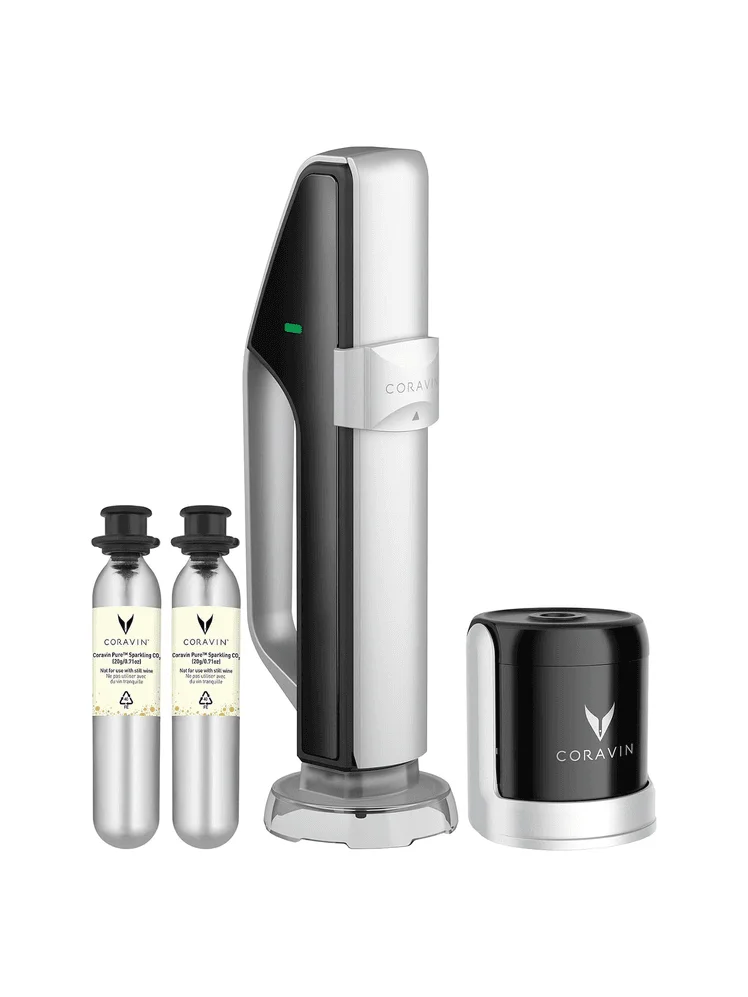
Then there’s Coravin, the wine preservation system that, in its original iteration, used a needle to puncture a bottle’s cork in a way that let wine out and pumped argon gas in to preserve what’s left. It basically let you open your wine without opening your wine, keeping it good for years. Coravin followed that innovation up with the Coravin Sparkling system, which can’t puncture the cork under so much pressure, but instead acts as a replacement clip-on cap, pressure-sealed with CO2 charges to keep the contents fizzy and fresh.
Coravin has the technology, but it also has a high price tag, $399. So I ran a little spritz experiment, pitting the basic cap and the Coravin Sparkling against each other to see if the fancy system, designed for preserving high-end bottles of Champagne, significantly outperformed the stopper for the more pedestrian use of making a single household’s sparkling cocktails. Would using it let me enjoy more (and better) spritzes from a one reused bottle?
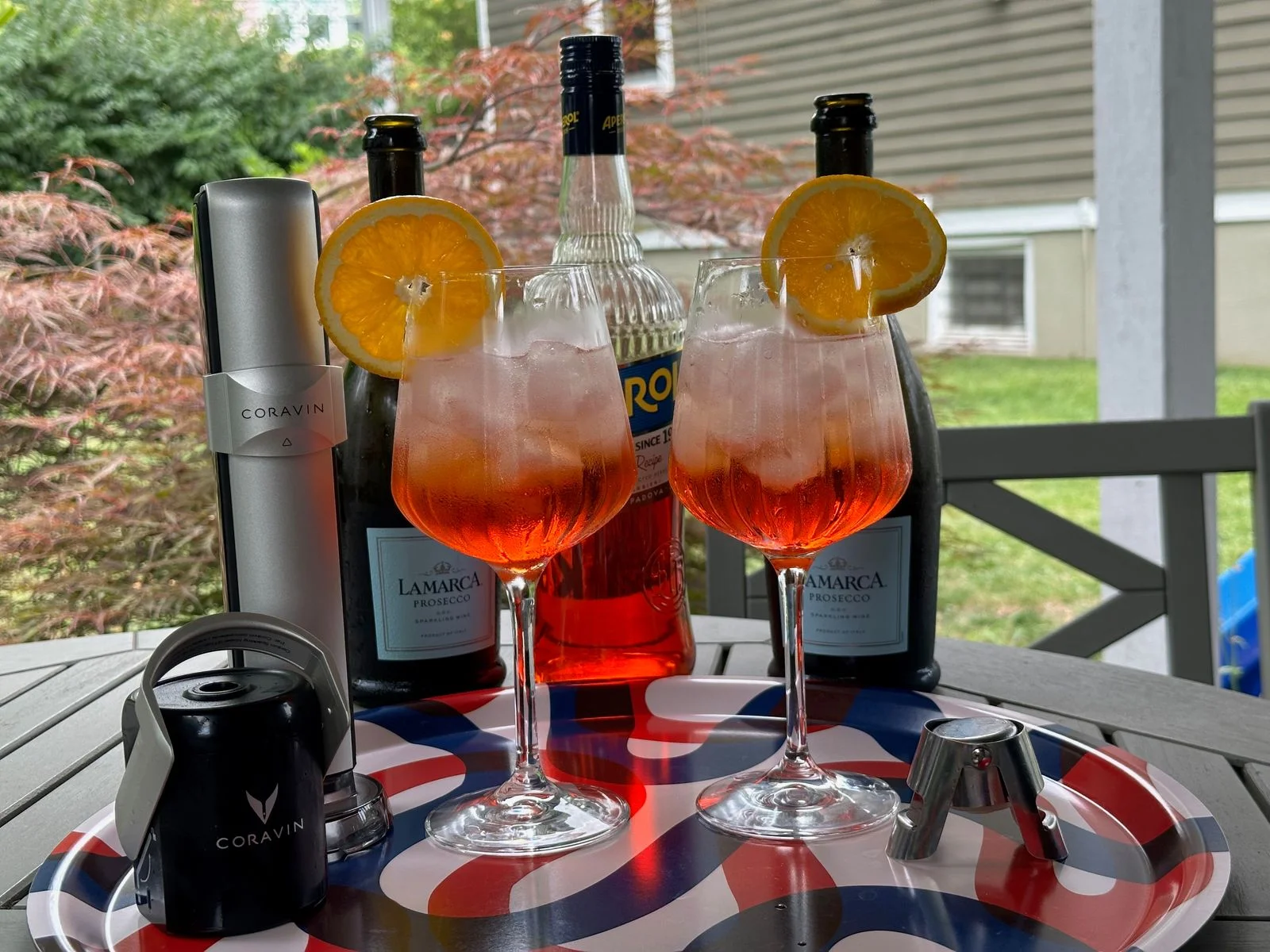
Day 1: After pouring a few ounces from each of two identical bottles, I capped them off. Slapping the cheap stopper onto the bottle is easy, and it’s a low profile solution, though the bottle has to remain standing up because it’s not a perfect seal and it will leak. The Coravin Sparkling cap snaps on easily, and with a quick press of the Sparkling Charger on top, the bottle fully seals and repressurizes, meaning, yes, you can store it on its side (and, depending on your fridge shelf situation, you may need to, as the cap adds a couple inches of height).
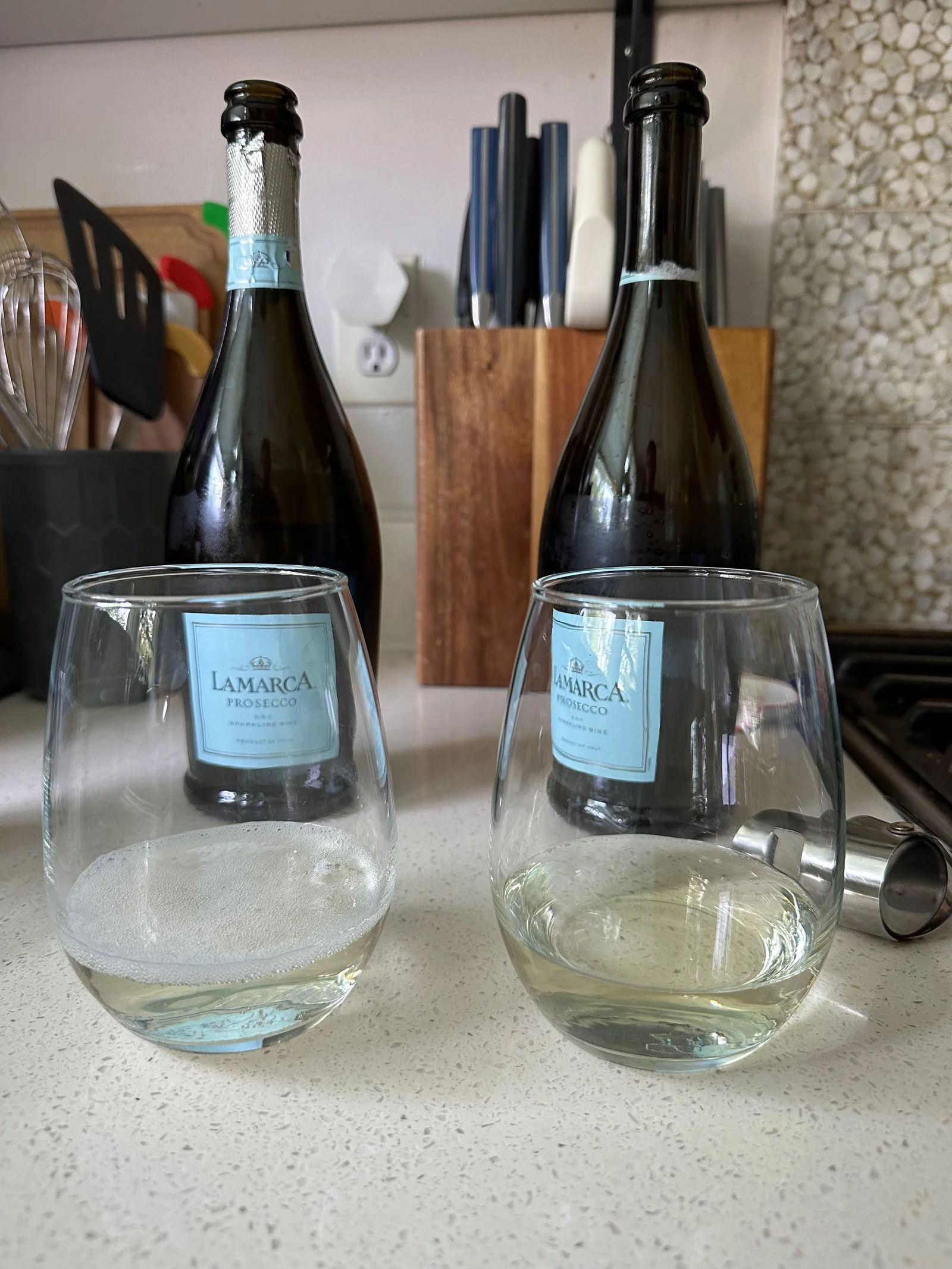
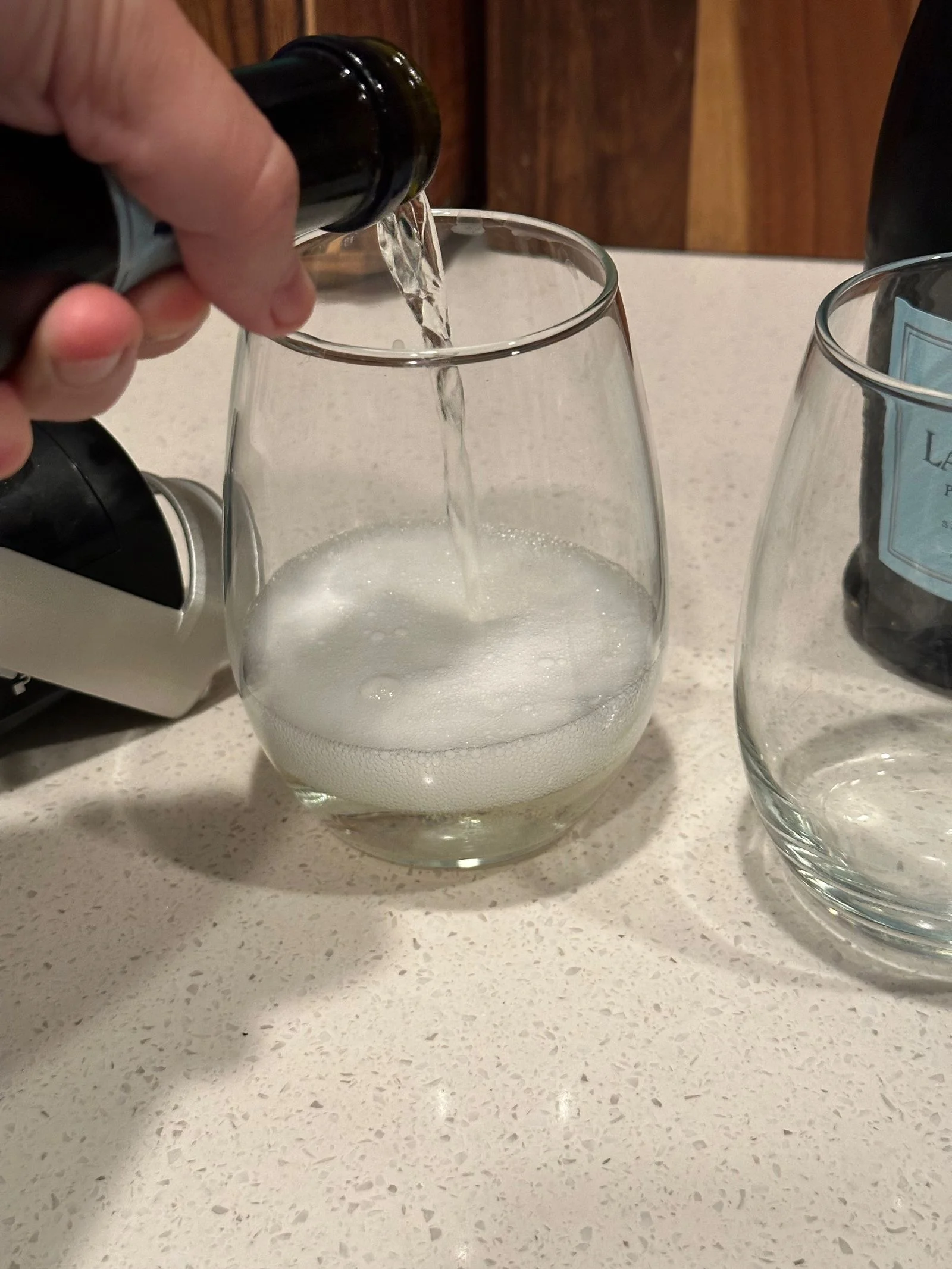
Day 3: Two and half days after sealing both bottles, I opened them again for a Saturday brunch spritz. Right away, I noticed a more pronounced pfft of CO2 released from the Coravin than the stopper. And the Coravin prosecco had maintained a thick layer of foamy mousse compared to the pour from the stopper bottle. The flavor of the Coravin wine remained brighter, while the other bottle tasted more oxidized, however, I’ll admit that, to my palate, any major difference in effervescence or flavor was undetectable, especially as part of a mixed drink.
Day 5: This is when things got interesting. The Coravin, again, poured like a fresh bottle with bubbles and fizz still tickling my nose as I tasted it, plus the bright, crisp fruit notes were still front and center. The resulting Aperol spritz was as vibrant and refreshing as the cocktail I made on day one. The cheap stopper-sealed prosecco added no texture to the cocktail—the only carbonation left was from the club soda. It simply wasn’t an enjoyable spritz drinking experience.
The verdict: If you’re cutting back your drinking but not cutting it out, and you buy higher quality sparkling wines (read more expensive), the Coravin Sparkling preservation system is a worthwhile investment, letting you enjoy those bottles on their own or in a cocktail at your own pace. The system is easy to use when recapping bottles, and the only ongoing maintenance costs are the CO2 capsules, with a six-pack costing just under $50, and each cartridge good for up to seven 750-ml bottles.
If your primary concern with a bottle of sparkling wine is simply that it’s bubbly and any $11 Prosecco will do, I think you’d have to buy dozens of bottles before you could feel like this gadget was paying for itself. You might be better off getting mini bottles for an occasional spritz sesh.
That said, if you do choose to dive into using the Coravin Sparkling system, your results, whether using top or bottom shelf bottles, will definitely be better.