My Dishwasher Sucks, Here’s How I Get Spotless Dishes Anyway

I spent a decade piecing together my dream kitchen in a modest Midwestern bungalow—or as close as I could get with a limited budget and a husband who was averse to renovations. I managed to replace the sink and counters, swapped our basic gas range for a fancy Italian induction model, and when our cheap Whirlpool dishwasher pooped out, I successfully campaigned to upgrade to a mid-tier Bosch with a third rack for flatware. My dishes had never been so spotless! Then I got a divorce and had to leave it all behind for rental-grade appliances.
I made do with a high-end countertop oven and a portable induction cooktop, and I even replaced the landlord special faucet with a much nicer one. But I am stuck with what is probably the worst GE dishwasher on the market, and if you told me it was installed by Trump’s pool guy, I would believe you. It’s loud, the one-hour cycle takes at least two, and, unless I keep up with a handful of small adjustments to my pre-wash routine, the dishes come out spotty and sometimes even crusty.
If your dishwasher is as disappointing as mine, you’re going to need more than expensive detergent pods to get really clean dishes. And you may already be doing some of these things, but if you want your crummy dishwasher to perform like a slightly—or perhaps significantly—better one, you should really be doing all of them.
First, clean your dishwasher
It seems counterintuitive that we should have to clean the appliances that are meant to clean things for us, but in order to maintain their performance, we absolutely do. This is especially true of vacuum cleaners, washing machines, and dishwashers—and the dishwasher should be cleaned about once a month, starting with the filter.
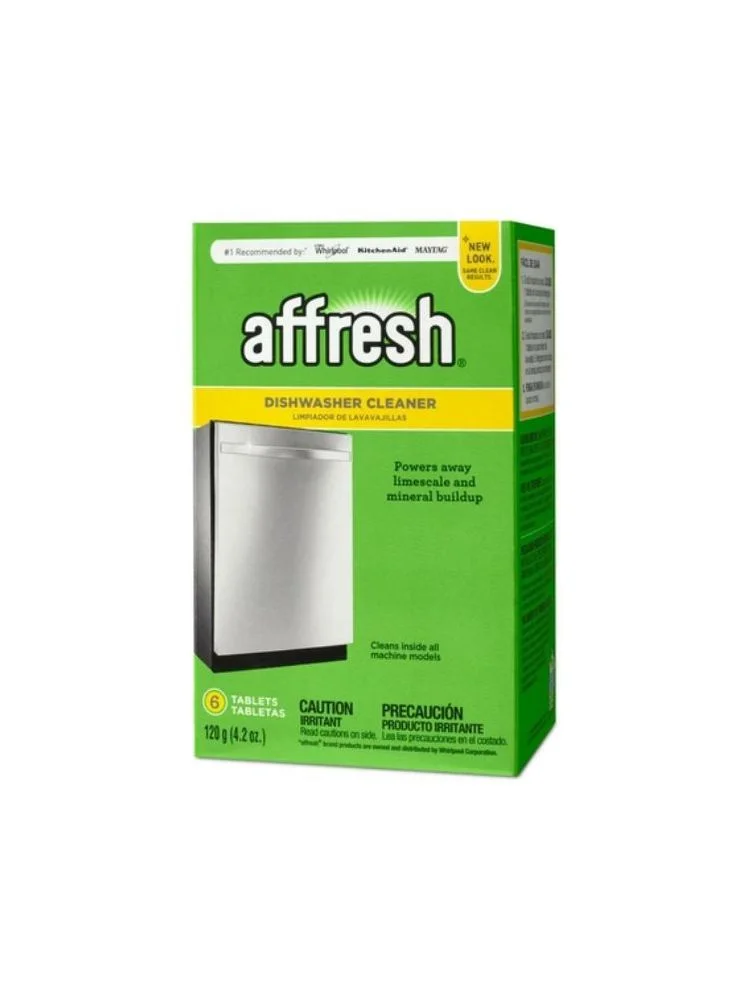
If you didn’t know your dishwasher has a filter, I’m sorry for what you’re about to discover when you twist and remove that little upside down basket thing under the bottom rack. Luckily, it’s pretty easy to de-gunk with an old toothbrush and soap. After you put it back, run a full-length cycle on the hottest setting with something that will break down and clear out the mineral deposits that build up on the sprayers, heating element, and sensors (a.k.a. descale your dishwasher). You can use two cups of distilled white vinegar in a dishwasher-safe bowl on the top rack, but you can buy less pungent tablets and sachets made specifically for this purpose.

Starting with a deep clean will make all the steps below more effective—then set a reminder to do it monthly!
Scrape, don’t rinse, your dishes
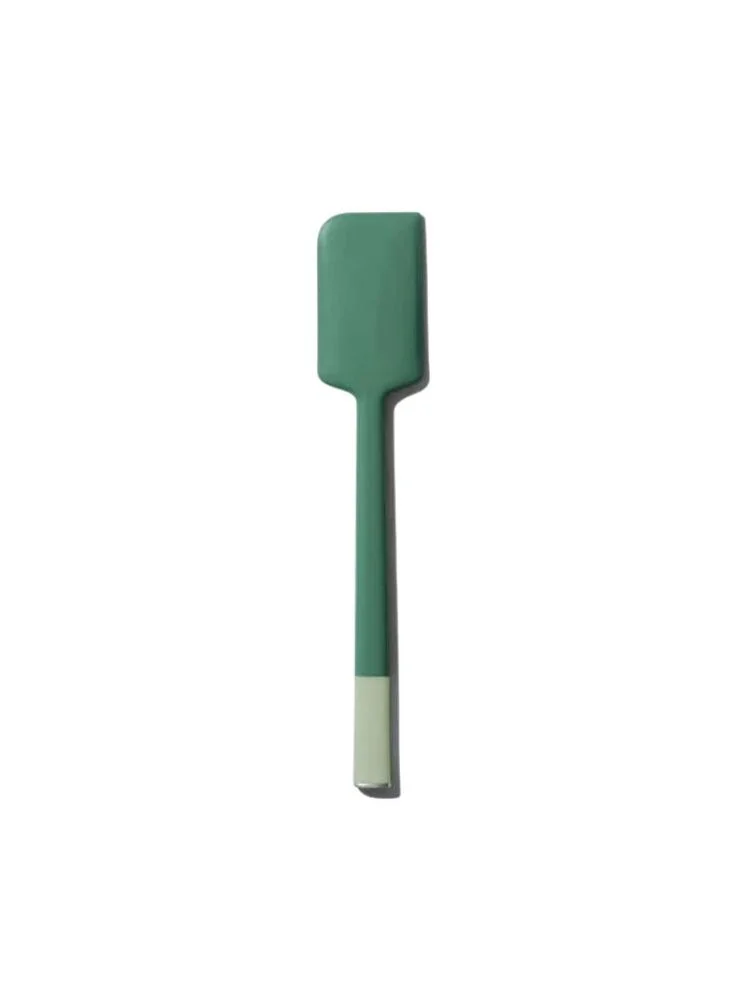
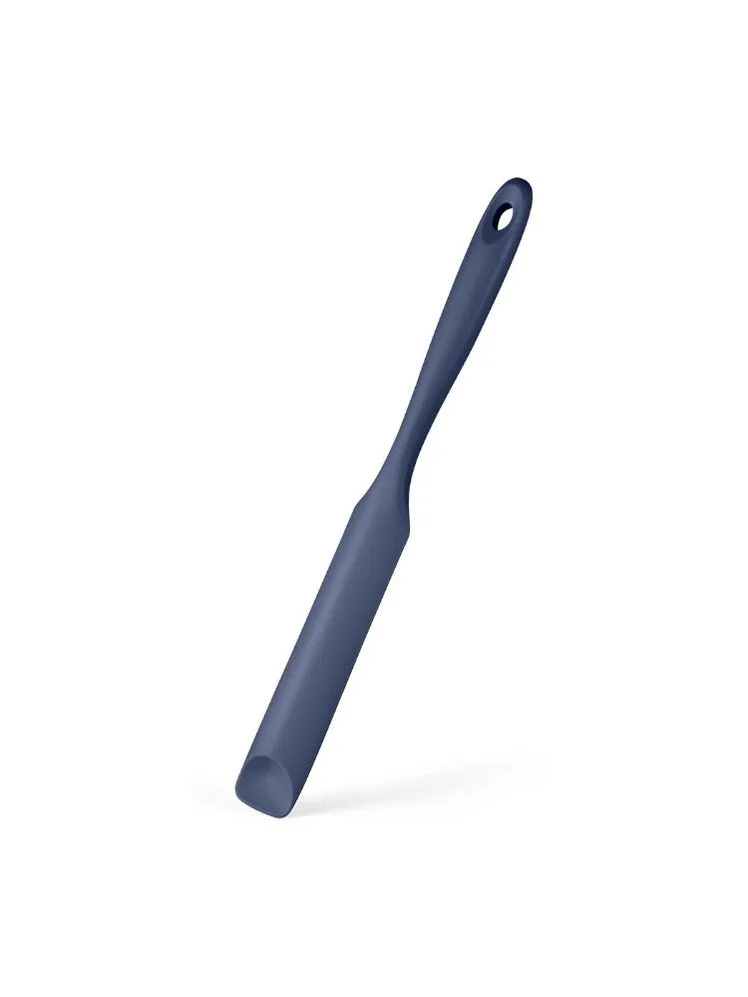
To rinse, or not to rinse? That is the question. And the answer is: No, you should not rinse your dishes before loading them into the dishwasher. That’s because dishwashers are equipped with something called a turbidity sensor that basically senses the murkiness of the water and adjusts the wash cycle accordingly. So if almost everything goes in clean, the dishwasher won’t work as hard to clean anything that actually needs to be cleaned. I prefer a flexible silicone spatula for this purpose because it removes solid debris but still leaves the dishes dirty enough to trigger an aggressive wash cycle.
Refill that rinse aid
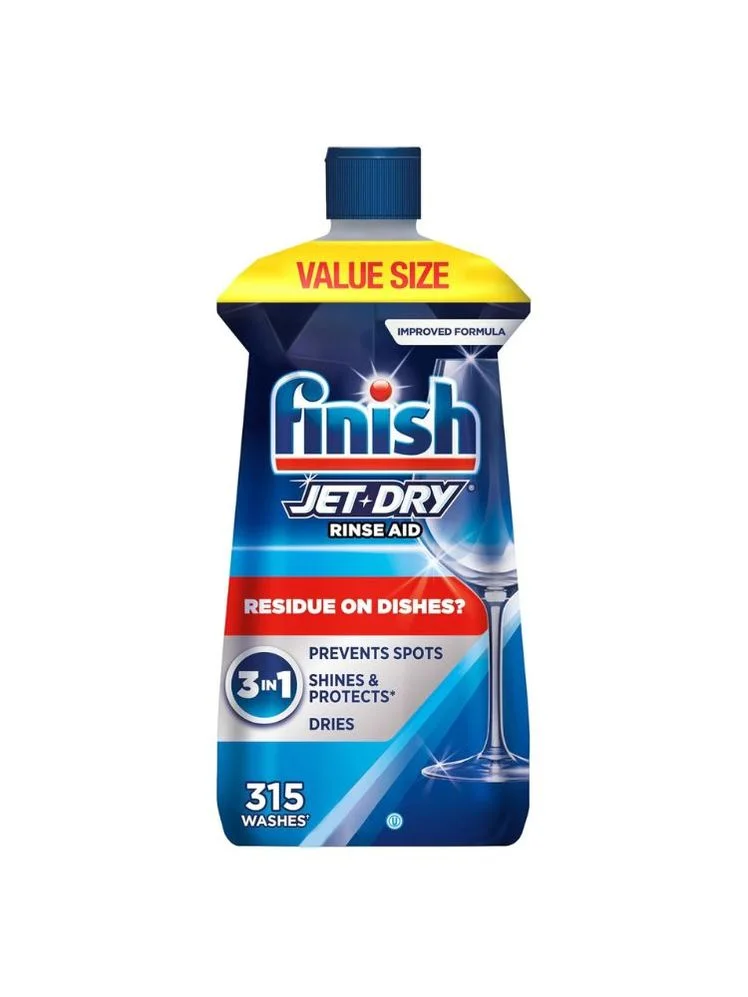
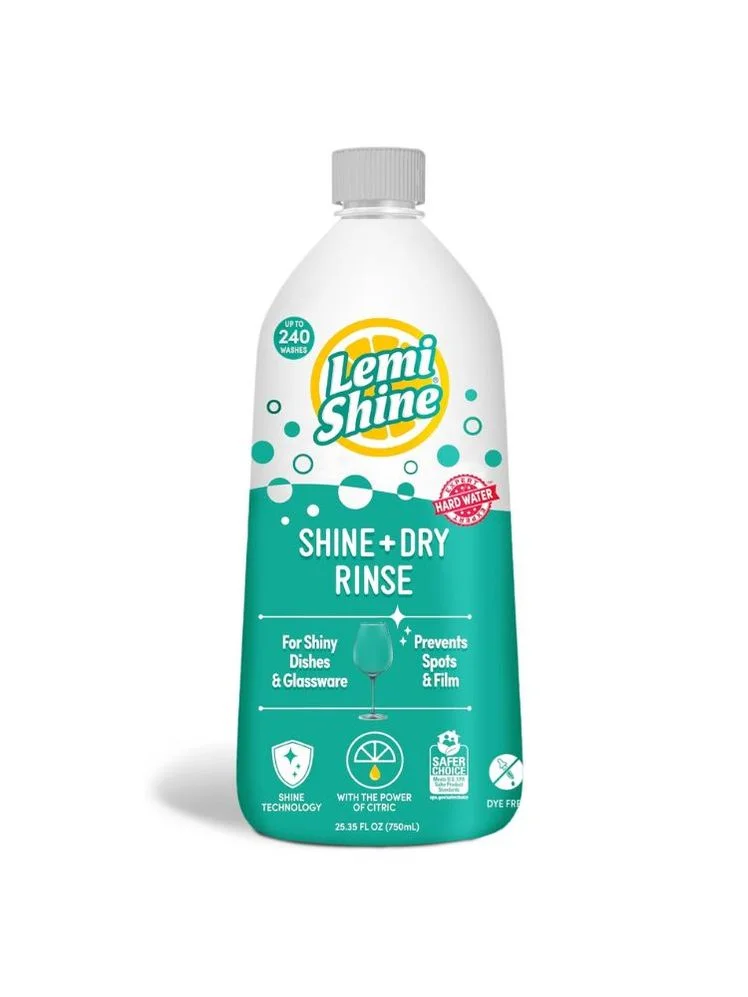
I used to think rinse aid was kind of a scam. And then I learned what it actually does, which “lower the surface tension of water.” In simpler terms, it helps water slide off of dishes more easily, which means your glassware will come out of the dishwasher with fewer water spots.
Add citric acid to the detergent compartment
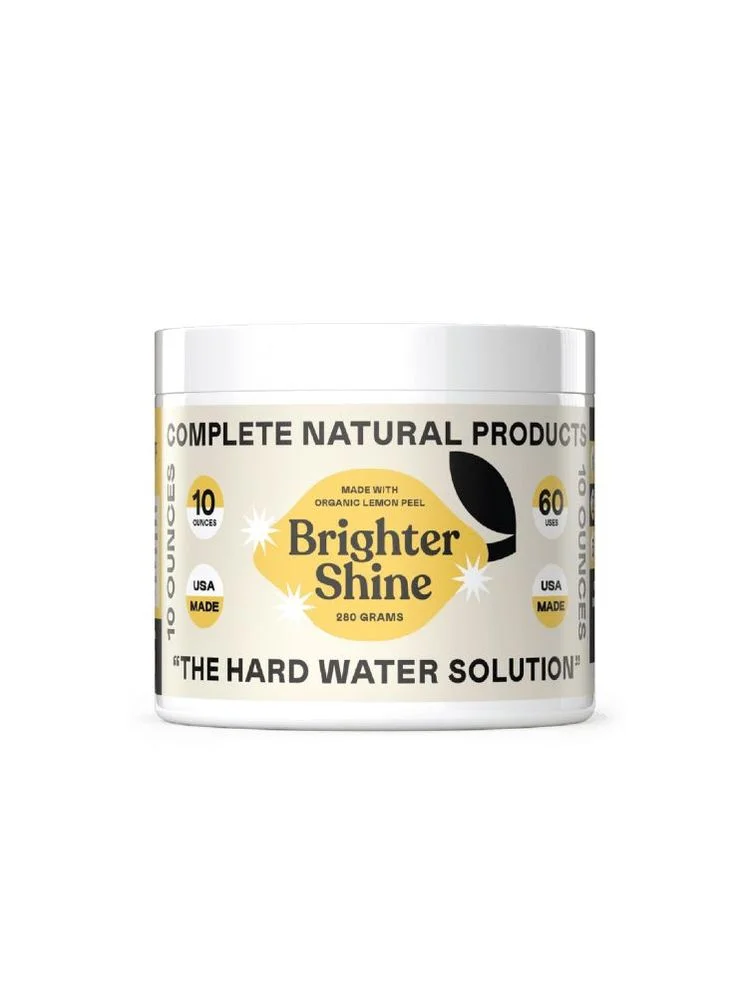
I first used citric acid to remove mineral buildup from the crummy dishwasher in my old house, and because my city has pretty hard water, I started pouring a little into the detergent compartment before popping in my detergent tab for every cycle. It seems to prevent excessive mineral buildup (though I still need to descale it monthly), and my glassware comes out less cloudy than with detergent and rinse aid alone.

Run hot water to the kitchen sink before you hit ‘Start’
You don’t hand-wash dishes with cold water and you shouldn’t expect your dishwasher to, either. The same pipe feeds your kitchen sink and dishwasher, so before you hit “start,” run the faucet until the water is hot. Starting with with piping hot water makes it easier for the dishwasher to cut grease and it ensures the detergent will fully dissolve. This also helps your dishwasher run a little more efficiently because it’s not wasting time and energy heating cold water.

Optional: “Towel dry”
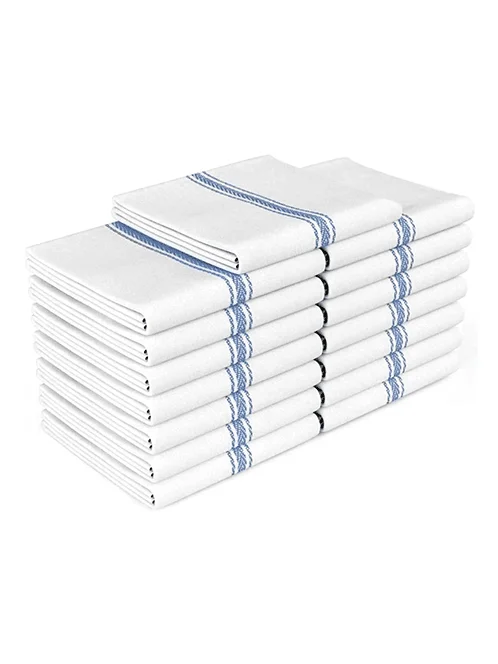
If your dishwasher doesn’t fully dry your dishes, you can help it along by draping a cotton kitchen towel over one or both racks immediately after the cycle completes, then closing the door for a few more minutes. The towel(s) will absorb most, if not all, of the extra moisture in there, allowing the dishes to dry more quickly and with fewer water spots. The only catch with this one is that you need to be present at the end of the cycle, or at least while it’s still pretty hot in there.
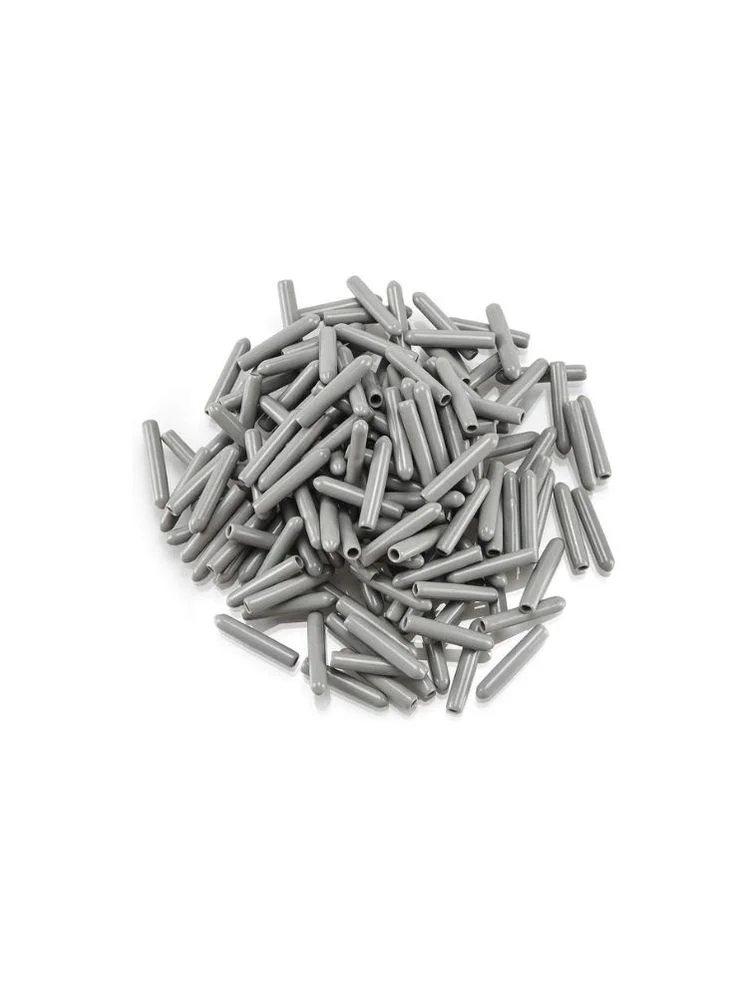
P.S. If your dishwasher tines have lost their coating and now have rusty, crusty tips, there’s a cap for that!